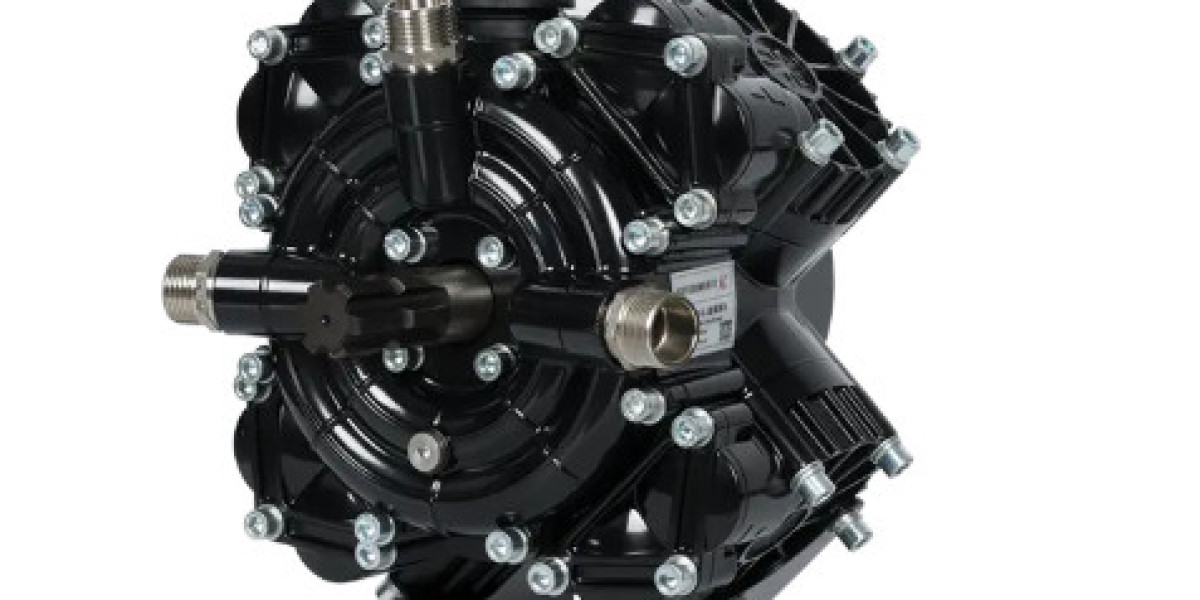

Agricultural spraying systems used in orchards, vineyards, and specialized crop protection operations often require carefully controlled pressure to distribute liquid through their nozzle networks. A High Pressure Diaphragm Pump For Sprayers uses a reciprocating pumping mechanism to supply liquid within the operating range specified for the connected equipment. Its suitability depends on pressure capacity, flow requirements, construction materials, and system configuration. For agricultural machinery manufacturers and international buyers, understanding these factors helps prevent mismatches between the pump and the spraying machine.
High-pressure spraying is particularly relevant when equipment must direct liquid toward dense vegetation, elevated branches, or areas that are difficult to reach using conventional spraying arrangements. Orchard machines, for example, may combine specialized nozzles with air-assisted distribution to improve spray penetration within tree canopies. The pump supplies liquid to the distribution network, while nozzle design, airflow, machine speed, and operating pressure collectively influence the application result.
The diaphragm mechanism generates suction and discharge through repeated changes in chamber volume. During the suction phase, the diaphragm moves backward and allows liquid to enter through the inlet valve. During the discharge phase, it moves forward, reducing the chamber volume and forcing liquid through the outlet valve. This cycle continues during operation. Some designs use multiple pumping chambers to meet different delivery requirements.
High-pressure operation places specific demands on pump construction. The housing, diaphragm, valves, seals, and connection points must be suitable for the intended pressure range. Repeated pressure cycles create mechanical stress, making component quality and correct installation important. Buyers should distinguish between maximum rated pressure and recommended working pressure. Operating continuously beyond specified limits may accelerate wear and increase the possibility of leakage or component failure.
Pressure and flow capacity must be evaluated together. Pressure determines the force available to move liquid through the distribution system, while flow rate indicates the volume delivered over time. A spraying machine with multiple nozzles may require considerable flow even when operating at a particular pressure. A pump that meets the pressure requirement but cannot provide sufficient flow may not support the intended machine configuration. Nozzle quantity, nozzle size, hose dimensions, and application rate should all be considered.
Pressure regulation helps maintain suitable operating conditions. Agricultural sprayers commonly use regulators, pressure gauges, and bypass arrangements to control liquid delivery. Depending on the equipment design, excess liquid may return to the storage tank or follow another designated circulation route. These components help manage pressure as operating conditions change. Regular inspection is important because inaccurate gauges, blocked lines, or malfunctioning regulators can affect system performance.
Chemical compatibility remains essential even when pressure is the primary purchasing consideration. Spraying equipment may handle pesticides, fungicides, herbicides, and liquid fertilizers with different chemical properties. The diaphragm, valve seats, seals, and other wetted components should be compatible with the intended formulations. Buyers should also consider cleaning chemicals and temperature exposure when evaluating materials.
Filtration and inlet conditions influence pump reliability. Insufficient liquid supply or restrictions in the suction line can affect operation. Particles entering the pumping chamber may interfere with valve movement and contribute to component wear. Suitable inlet filtration helps reduce contamination, while additional filtration may be required according to the nozzle specifications. Filters should be inspected and cleaned regularly to avoid excessive restriction.
Installation quality is another important consideration. The pump should be mounted securely and aligned with its drive system according to manufacturer instructions. Incorrect alignment, unsuitable hose routing, or loose fittings may increase vibration and mechanical stress. Pressure-side connections must be appropriate for the intended operating range. Before maintenance, the equipment should be shut down and safely depressurized.
Routine maintenance helps preserve spraying equipment during intensive agricultural seasons. Operators should inspect diaphragms, valves, seals, filters, hoses, and connections according to the maintenance schedule. Changes in pressure, unusual noise, vibration, or reduced flow should be investigated. After pesticide application, suitable flushing procedures help remove chemical residues and reduce the risk of material deterioration.
For importers and distributors, procurement should focus on verified pressure ratings, flow capacity, drive compatibility, installation dimensions, chemical compatibility, and replacement part availability. Clear technical information is particularly important when pumps are intended for integration into existing machinery platforms or supplied to equipment manufacturers.
When selecting a High Pressure Diaphragm Pump For Sprayers, buyers should assess the complete pressure delivery system, including the pump, regulator, gauge, filters, hoses, and nozzles. Matching these components to actual operating conditions helps improve system compatibility and maintenance planning. Related agricultural filtration products are available at https://www.agriculturaldiaphragmpump.com/product/inlet-and-outlet-water-filters/