
Kolkata is a city where history can be discovered around almost every corner. Grand colonial-era buildings, traditional neighbourhoods, historic educational institutions and cultural landmarks reflect the many chapters that have shaped its identity. Among these remarkable places, Kolkata Town Hall stands out as an important architectural and historical treasure.
Located in the heart of the city's historic B.B.D. Bagh area, Town Hall has witnessed more than two centuries of change. Originally created as a public gathering place during British rule, it later became associated with civic administration, political discussions, cultural events and the intellectual life of Calcutta, as Kolkata was formerly known.
Today, the building offers visitors an opportunity to explore the city's past through its architecture, historical collections and heritage surroundings. Its story is closely connected with Kolkata's transformation into one of India's most significant cultural and commercial centres.
Whether you enjoy architecture, history, museums or heritage travel, a visit to Kolkata Town Hall can add an interesting dimension to your journey. For more inspiration, explore Travel Mart TM's guide to India's fascinating cities and discover destinations where history and culture come together.
The Story Behind Kolkata Town Hall
The history of Kolkata Town Hall begins in the early nineteenth century, when Calcutta was an important centre of administration and trade under British rule. The growing European community wanted a dedicated public building for formal gatherings, receptions and social occasions.
The idea gained support through public fundraising, and money was raised through a lottery. Construction began around 1807 under the direction of architect and engineer Colonel John Garstin. The building was completed in 1813 and opened to the public in March 1814.
Its creation reflected the changing character of Calcutta at the time. The city was developing as a major administrative centre, and impressive public buildings were becoming an important part of its urban landscape.
Town Hall was initially intended mainly for European social gatherings. Over time, however, its purpose expanded, and the building became associated with civic affairs, public meetings and important cultural activities.
Its history offers a glimpse into the social and political changes that shaped modern Kolkata. <Cite refs={["turn782862search3","turn782862search2","turn782862search13"]}/>
Kolkata Town Hall Architecture: A Remarkable Neoclassical Landmark
One of the first things visitors notice about Town Hall is its impressive classical appearance. The white building is an important example of Roman Doric architecture, with features inspired by European architectural traditions.
Its design gives the structure a formal and balanced appearance. The broad staircase, prominent portico and large columns create a grand entrance that stands out among the surrounding buildings.
Important architectural features
Roman Doric style: The building reflects the classical architectural tradition associated with strong proportions and simple column designs.
Grand entrance staircase: The broad steps lead visitors towards the main portico.
Tall columns: The prominent columns give the façade its distinctive appearance.
Spacious interiors: The upper hall was designed to accommodate large gatherings and formal occasions.
Historic wooden features: The main hall is known for its high ceiling and traditional teak boarding.
Symmetrical design: The building's balanced proportions contribute to its monumental character.
The architecture is particularly interesting because it represents an era when European styles were being introduced into the urban landscape of colonial Calcutta.
Visitors interested in architectural heritage can appreciate how Town Hall differs from the city's temples, traditional Bengali buildings and later Gothic structures.
<Cite refs={["turn782862search0","turn782862search12","turn782862search13"]}/>
How Kolkata Town Hall Became a Centre of Public Life
Town Hall was not simply designed as an impressive building. It also played an important role in the public life of the city.
During its early years, the upper floor was used for social gatherings, formal receptions, concerts, dinners and other events. Its spacious interior made it suitable for occasions that required a large public venue.
As Calcutta developed, the building gradually became associated with a wider range of activities.
Social gatherings and public meetings
In its early period, Town Hall hosted formal events and social occasions. It provided a dedicated venue for gatherings that were becoming increasingly important in the growing city.
Municipal and civic activities
In 1867, the building came under the custody of the Calcutta Municipality, the predecessor of the present Kolkata Municipal Corporation. This marked an important change in its administrative role.
Town Hall subsequently became associated with civic meetings and public affairs. Its history reflects the development of municipal administration in Kolkata.
Educational and cultural activities
The building also became connected with educational and intellectual life. It hosted public events and meetings involving prominent figures and institutions.
Its changing uses demonstrate how a historic building can develop a significance that goes far beyond its original purpose.
<Cite refs={["turn782862search3","turn782862search2"]}/>
Important Historical Events Associated with Town Hall
Kolkata Town Hall has witnessed several important moments in the city's public and intellectual history. Its halls have been connected with discussions, demonstrations and gatherings that reflect the changing interests of society.
A venue for important public discussions
As Calcutta grew into a centre of administration, education and public debate, Town Hall became a recognised venue for meetings and formal events.
Its location near other important civic and government buildings made it a significant part of the city's public landscape.
Jagadish Chandra Bose's scientific demonstration
One particularly interesting episode associated with Town Hall concerns the Indian scientist Jagadish Chandra Bose.
In 1895, Bose demonstrated experiments involving electromagnetic waves in Calcutta. Historical accounts connect his pioneering wireless research with a demonstration at Town Hall.
The episode is an interesting reminder of the city's contribution to scientific and intellectual development during the nineteenth century.
A place connected with literary and political life
Town Hall also became associated with important public gatherings involving prominent Indian thinkers and public figures. Its wider history reflects the growing importance of organised discussion, education and civic participation in Bengal.
The building's role changed over time, reflecting the transition from a colonial social venue to a place associated with broader public and cultural activities.
<Cite refs={["turn782862search10","turn782862search2","turn782862search17"]}/>
From Colonial Gathering Place to a Heritage Landmark
The story of Town Hall did not end with its early popularity. As Kolkata changed, the building experienced several periods of renovation, altered use and neglect.
After coming under municipal control in 1867, it underwent repairs and partial renovation. Its role continued to evolve as the city developed new administrative and public institutions.
During the twentieth century, the building was used for different purposes. Its history includes a period when it was associated with the Bengal Legislative Council and, during the Second World War, rationing activities.
Following independence, Town Hall experienced years of deterioration. Its condition raised concerns about the preservation of an important historic structure.
Conservation efforts eventually helped protect the building. Restoration work during the late twentieth century returned attention to its architectural features and historical importance.
Today, Town Hall remains an important part of Kolkata's built heritage and provides a link between the city's colonial past and its modern cultural identity.
<Cite refs={["turn782862search3","turn782862search4","turn782862search12"]}/>
Inside Kolkata Town Hall: Museum and Historical Collections
One of the main reasons to explore Town Hall is its connection with the history of Kolkata. The building has been associated with a museum project designed to introduce visitors to the city's development through historical displays and collections.
The museum experience focuses on the stories, people and events that have shaped Kolkata over time.
Discover the history of old Calcutta
Historical displays help visitors understand how Calcutta developed from an important colonial settlement into a major Indian city.
The collections and presentations explore different aspects of urban life, including architecture, public institutions, social traditions and important historical events.
Explore visual storytelling
Museum displays can make history easier to understand by presenting information through photographs, models, recreated scenes and other visual material.
Such presentations are particularly useful for visitors who want to understand how the city looked and functioned during earlier periods.
Learn about Kolkata's cultural identity
Kolkata's identity is shaped by more than its buildings. Its literature, music, theatre, education and social movements have all contributed to its reputation as an important cultural centre.
A visit to a city-history exhibition can help connect these wider themes with the historic surroundings of Town Hall.
Museum displays and visitor access can change over time, so it is sensible to confirm current arrangements before planning a visit.
<Cite refs={["turn782862search3","turn782862search1"]}/>
Town Hall Library: A Resource for Kolkata's History
Town Hall is also associated with a reference library dedicated to Kolkata's history and heritage.
Historical libraries play an important role in preserving the written record of a city. Books, journals, documents and research materials can provide valuable information about how neighbourhoods, institutions and communities have developed.
For students, researchers and visitors with a particular interest in local history, a specialised collection can offer a deeper understanding of the city.
The library's association with Town Hall strengthens the building's role as more than an architectural attraction. It connects the preservation of physical heritage with the preservation of historical knowledge.
Access arrangements may vary, particularly for research collections, so visitors should check in advance if they intend to use the library.
<Cite refs={["turn782862search3","turn782862search1"]}/>
What Makes Kolkata Town Hall Special for Heritage Lovers?
Kolkata has many historic buildings, but Town Hall has a distinctive place in the city's architectural and civic history.
It is especially interesting because its story combines several themes:
Colonial architecture: Its Roman Doric design reflects an important period in Kolkata's architectural development.
Civic history: The building became associated with municipal administration and public affairs.
Cultural heritage: Its halls hosted gatherings connected with the city's social and intellectual life.
Historical preservation: Its restoration demonstrates the importance of protecting historic buildings.
Urban identity: Its location in the B.B.D. Bagh area connects it with other important landmarks of old Calcutta.
For travellers who enjoy discovering the stories behind historic places, Town Hall offers a rewarding experience. It helps explain how Kolkata developed as a centre of administration, education, commerce and culture.
Exploring the Area Around Kolkata Town Hall
A visit to Town Hall can be combined with other heritage attractions in central Kolkata. The surrounding area contains several historic buildings and landmarks that help visitors understand the city's architectural and cultural development.
B.B.D. Bagh
<text> </text>
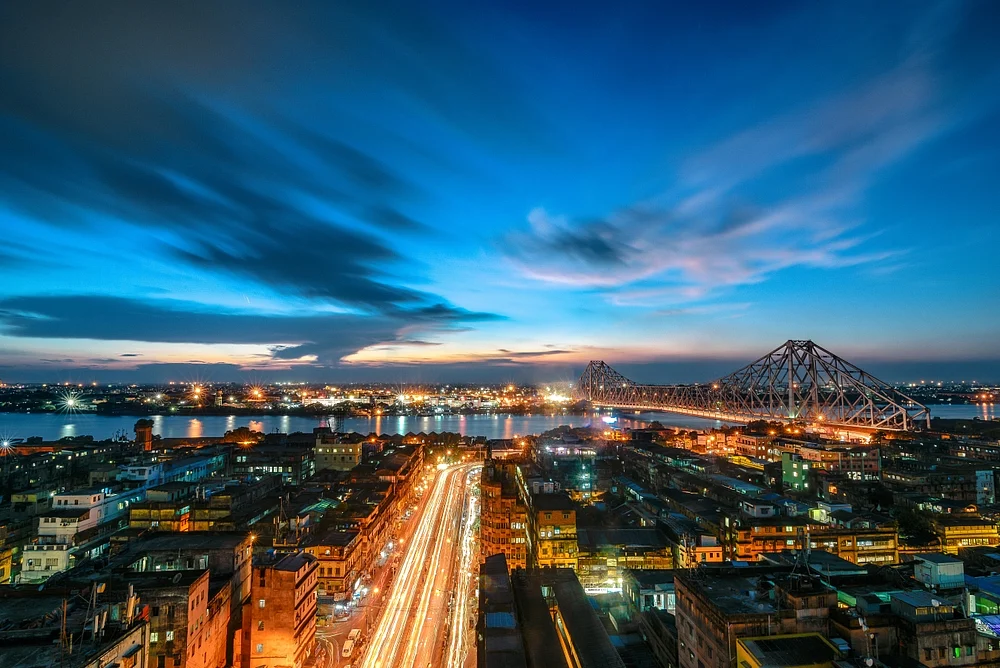
B.B.D. Bagh, formerly known as Dalhousie Square, is one of Kolkata's most historically significant urban areas.
The district contains several impressive colonial-era buildings and has long been associated with administration, commerce and public institutions.
Walking through the area provides an opportunity to observe different architectural styles and understand the city's historical development.
Raj Bhavan
Raj Bhavan is a prominent historic building that reflects the administrative history of colonial Calcutta. Its impressive architecture makes it an important landmark in the central city area.
Visitors should check public access arrangements before including it in their plans.
Calcutta High Court
The Calcutta High Court is another significant heritage building in the area. Its distinctive Gothic Revival architecture creates an interesting contrast with the classical design of Town Hall.
The court is an important part of the city's legal and institutional history.
General Post Office
The General Post Office is one of Kolkata's most recognisable historic buildings. Its prominent dome and classical architectural features make it an interesting landmark for visitors exploring the city's colonial-era centre.
Victoria Memorial
<text> </text>
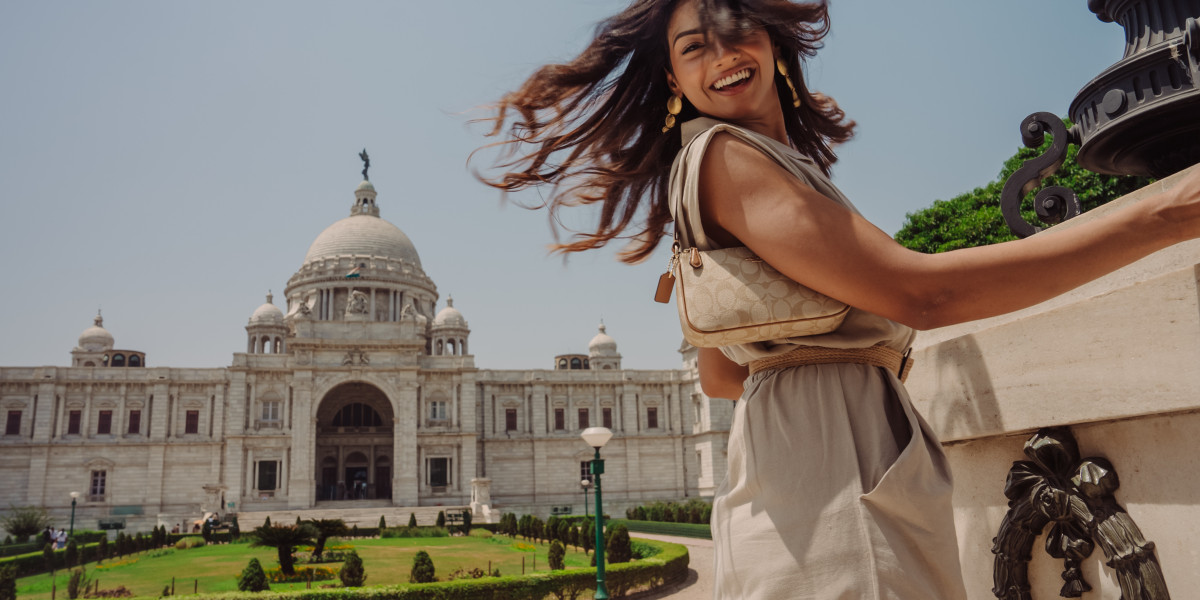
The Victoria Memorial is one of Kolkata's best-known attractions. Its white marble architecture, landscaped gardens and museum galleries make it an important stop for travellers interested in history and art.
It offers a broader perspective on the city's colonial past and can be combined with a visit to other heritage locations.
Indian Museum
The Indian Museum is an important cultural institution with extensive collections relating to art, archaeology, natural history and anthropology.
It is an excellent destination for visitors who want to explore India's wider historical and cultural heritage.
Combining these attractions with Town Hall can create a rewarding day of sightseeing in Kolkata.
<Cite refs={["turn782862search1","turn782862search3"]}/>
Experience Kolkata Beyond Its Historic Buildings
Although Town Hall is an important landmark, Kolkata's cultural identity is best understood through a combination of architecture, food, literature, festivals and everyday city life.
After exploring the historic centre, visitors can discover other parts of the city and enjoy its distinctive atmosphere.
Explore College Street
College Street is famous for its bookshops, educational institutions and literary atmosphere. It is a wonderful place for visitors interested in Bengali literature, academic history and India's intellectual traditions.
Discover traditional Bengali food
Kolkata has a distinctive culinary identity. Visitors can try dishes such as:
Kathi rolls: Popular street food featuring fillings wrapped in paratha.
Puchka: A well-known local version of the crispy, filled street snack.
Bengali fish curry: A traditional dish prepared with regional ingredients.
Mishti doi: A popular sweetened yoghurt dessert.
Sandesh: A traditional Bengali sweet made with fresh cheese.
Rasgulla: A well-known sweet associated with Bengal's culinary heritage.
Enjoy the city's artistic atmosphere
Kolkata has a long association with theatre, music, cinema, painting and literature. Visitors can explore cultural venues, art galleries and performance spaces to experience this side of the city.
Discover local festivals
Durga Puja is one of Kolkata's most important annual celebrations. During the festival, neighbourhoods feature elaborate artistic installations, decorations and community events.
The festival offers an opportunity to experience the city's creativity and strong community traditions.
Best Time to Visit Kolkata Town Hall
The most comfortable period for exploring Kolkata is generally between October and March, when temperatures are often more suitable for walking and sightseeing.
October to November
This period is especially interesting for visitors who want to experience the festive atmosphere around Durga Puja and other seasonal celebrations.
The city becomes particularly lively, with cultural events and decorated public spaces.
December to February
These months are generally pleasant for exploring historic buildings, museums, markets and outdoor attractions.
Visitors can comfortably combine Town Hall with other heritage sites in central Kolkata.
March to June
Temperatures and humidity can increase during the warmer months. If travelling during this period, plan outdoor sightseeing thoughtfully and allow time for indoor attractions.
July to September
The monsoon brings rainfall to Kolkata. The city can look different during this season, but heavy rain may affect outdoor sightseeing and transport arrangements.
Before visiting Town Hall, check its current opening hours, museum access and any temporary restrictions. Historical buildings may have different schedules for exhibitions and public events.
How to Plan a Heritage Visit to Kolkata Town Hall
A little preparation can help you make the most of your visit.
Start with the building's history: Understanding its early purpose makes the architecture more meaningful.
Observe the exterior carefully: Take time to appreciate the columns, staircase and classical proportions.
Check museum access: Confirm whether the museum and other visitor areas are open on your chosen date.
Explore nearby landmarks: Combine Town Hall with other attractions in central Kolkata.
Allow time for photography: The surrounding historic district offers interesting architectural views.
Respect heritage guidelines: Follow any visitor instructions and restrictions inside the building.
Consider a local guide: A knowledgeable guide can explain the stories behind the buildings and neighbourhoods.
Plan around the weather: Comfortable footwear and suitable clothing can make walking tours easier.
A heritage visit is more rewarding when you take time to understand the stories behind the places rather than simply moving from one attraction to another.
Discover Kolkata and India's Historic Cities with Travel Mart TM
Kolkata Town Hall is a reminder that a city's history can be found in its architecture, public spaces and cultural institutions. Its story reflects the transformation of Calcutta through colonial administration, civic development and the growth of modern Indian society.
However, Kolkata is only one part of India's remarkable cultural landscape. Travellers can continue exploring the country's heritage through the royal palaces of Jaipur, the historic monuments of Delhi and Agra, the spiritual traditions of Varanasi and the architectural treasures of southern India.
Travel Mart TM offers travel inspiration and individually planned journeys across Asia. Whether you are interested in historic cities, cultural experiences, regional cuisine or a wider journey through India, a thoughtfully organised itinerary can help you discover destinations at a comfortable pace.
Explore Travel Mart TM's guide to the best cities in India for culture and food for further ideas and inspiration. You can use it to discover additional destinations and plan a journey that combines India's architectural heritage with its living cultural traditions.
Frequently Asked Questions
What is Kolkata Town Hall famous for?
Kolkata Town Hall is famous for its Roman Doric architecture, early nineteenth-century history and role in the city's public and civic life. It is also associated with Kolkata's historical collections and heritage preservation.
When was Kolkata Town Hall built?
The building was completed in 1813 and opened to the public in March 1814. It was designed by Colonel John Garstin and funded through money raised by a public lottery.
Who designed Kolkata Town Hall?
Kolkata Town Hall was designed by Colonel John Garstin, an architect and engineer associated with the East India Company's administration.
What architectural style does Kolkata Town Hall represent?
Town Hall is an example of Roman Doric architecture. Its prominent columns, broad staircase and classical façade give it a distinctive appearance.
What can visitors explore inside Kolkata Town Hall?
Town Hall has been associated with a museum and a reference library dedicated to Kolkata's history. The availability of individual visitor areas and collections may change, so checking current access arrangements before visiting is recommended.
What other attractions can I visit near Kolkata Town Hall?
Visitors can explore B.B.D. Bagh, the Calcutta High Court, the General Post Office, Raj Bhavan, Victoria Memorial and the Indian Museum as part of a wider Kolkata heritage visit.
Conclusion
Kolkata Town Hall is much more than a beautiful historic building. Its architecture, changing functions and association with public life make it an important part of the city's story.
From its construction in the early nineteenth century to its role in civic activities and heritage preservation, Town Hall reflects the many transformations that have shaped Kolkata. Its classical façade offers a visual connection with the past, while its historical significance provides a deeper understanding of the city's development.
For travellers interested in history, architecture and culture, Kolkata Town Hall deserves a place on a heritage-focused itinerary. Exploring it alongside nearby landmarks, traditional markets and cultural attractions can provide a richer appreciation of the city.
If you are planning a journey through India's historic destinations, begin by discovering Kolkata and continue exploring the country's remarkable cities with inspiration from Travel Mart TM.