
Plastic Cup Mould selection requires buyers to examine more than the initial quotation. Product dimensions, expected output, machine specifications, material requirements, and tooling structure all influence the purchasing decision. Reviewing these details before confirming an order helps reduce design changes and gives both parties a clearer understanding of the manufacturing requirements.
Define Product Dimensions and Functional Requirements
Begin with the technical information for the intended item. Important details include overall height, rim diameter, base dimensions, wall thickness, weight, stacking requirements, and surface finish. Buyers should provide updated engineering drawings or physical samples so the manufacturer can review the design accurately.
The intended application also needs attention. Different beverage and food packaging projects may require different structural characteristics, sealing conditions, and appearance standards. If the product needs to match an existing lid or automated filling line, these interfaces should be confirmed before the tooling design is finalized.
Match Cavity Configuration with Output Targets
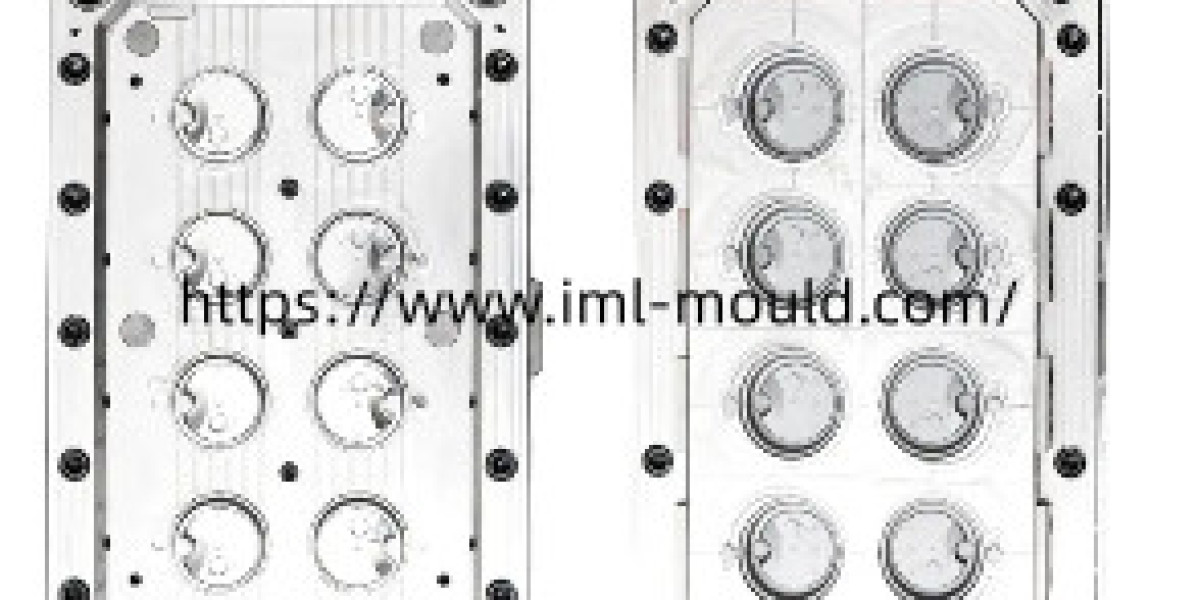
The number of cavities determines how many items can be formed during one production cycle. Common configurations include 2, 4, 6, 8, and 12 cavities, depending on product dimensions, machine capacity, and production targets.
A larger cavity count may increase output, but it also creates additional requirements for filling balance, cooling distribution, and dimensional consistency. Buyers should calculate expected monthly demand and compare it with available machine capacity before selecting a configuration.
It is also useful to discuss future demand. A design intended only for current orders may become restrictive if production volumes increase. The quotation should explain why the proposed cavity arrangement suits the project's expected workload.
Confirm Steel Grades and Structural Construction
Steel selection affects wear resistance, machining requirements, maintenance, and expected service life. Buyers should request the proposed grades for the core, cavity, and base rather than accepting a general description of the materials.
Depending on the application, options may include P20, 4Cr13, 2344, or S136. The appropriate selection depends on production volume, surface requirements, material characteristics, and the expected operating environment.
Construction details deserve equal attention. Ask about guide systems, replaceable inserts, alignment components, and access for routine maintenance. These features can influence servicing time and the ability to manage wear during repeated production cycles.
Examine Runner Design and Material Flow
The runner system determines how molten material reaches each cavity. An unsuitable arrangement may cause uneven filling, weight differences, visible defects, or inconsistent wall thickness.
Buyers can compare cold runner systems with hot runner options, including needle valve and needle point configurations. Each arrangement has different implications for tooling complexity, material waste, process control, and maintenance.
Ask the engineering team to explain the proposed gate positions and filling strategy. For multi-cavity projects, the manufacturer should also describe how flow balance will be evaluated during trial production.
Review Cooling and Ejection Arrangements
Cooling design influences cycle time, dimensional stability, and the consistency of finished items. Buyers should ask how the cooling channels are positioned around the core and cavity, whether temperature distribution has been considered, and how connections will be arranged.
Ejection is another important consideration. The finished item must release smoothly without excessive force, deformation, or unacceptable marks. Depending on the product geometry, the design may use ejector pins, sleeves, or other release mechanisms.
Maintenance access should also be discussed. Clearly identified cooling connections and accessible components can make inspection and servicing more convenient during regular operation.
Verify Injection Machine Compatibility
Before approving the design, provide the manufacturer with the specifications of the intended injection machine. Relevant information includes clamping force, platen dimensions, tie-bar spacing, overall installation height, opening stroke, injection capacity, and nozzle details.
A tooling solution that cannot fit the available machine may require additional investment or design changes. Buyers should therefore request a compatibility review rather than relying on clamping force alone.
If automatic take-out equipment or a hot runner controller will be used, these interfaces should also be included in the technical discussion.
Set Clear Trial and Acceptance Requirements
Trial production allows buyers to check whether the finished tooling meets the agreed specifications. Request samples from every cavity and review dimensions, weight, appearance, rim condition, stacking performance, and other project-specific requirements.
The acceptance process should also cover opening and closing movement, cooling performance, ejection stability, and the operation of any additional mechanisms. Inspection criteria should be agreed upon before testing to avoid misunderstandings later.When discussing a project with iml-mould, prepare the latest drawings, material information, output forecast, and machine specifications. This information gives the engineering team a practical basis for evaluating the project. Buyers can review available tooling solutions and submit their requirements through https://www.iml-mould.com/