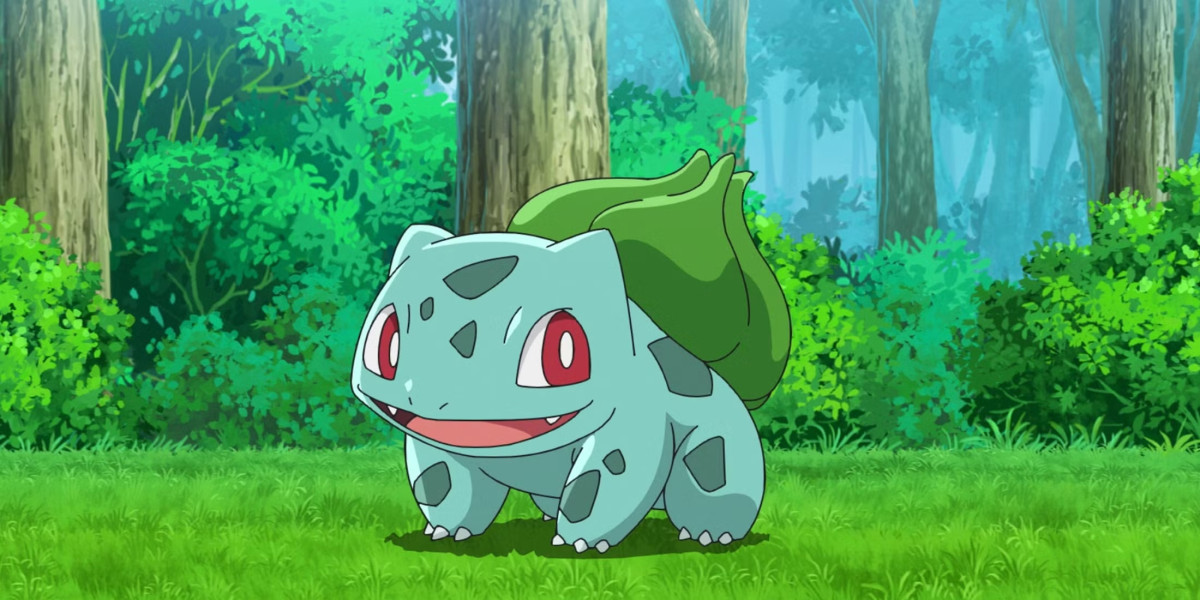

Opening a new booster pack can change the direction of a player's next few battles. A newly acquired Pokmon might offer a different attack pattern, while a Trainer card could solve a problem that has repeatedly caused trouble. Pokemon TCG Pocket Top Up is one consideration when players think about expanding their available resources, but the more interesting question comes after a new card enters the collection: does it actually improve the way the deck performs? A promising card is only a possibility until it has been tested. Learning how to evaluate that possibility can make deck-building more rewarding and prevent unnecessary changes.
The First Impression Is Not Always Reliable
A card's artwork, rarity, and displayed damage can create strong expectations. Players naturally pay attention to cards that look unusual or powerful, especially when they have just obtained something they were hoping to find. Yet the first impression does not always match what happens during a real battle.
A high-damage attack may require more Energy than the deck can comfortably provide. A useful ability might depend on a specific board situation that does not appear often. A Pokmon may look like an ideal secondary attacker but compete with the main attacker for the same resources.
This does not make the card a poor addition. It means the player needs to understand the conditions under which it performs well.
Before adding a new card, consider its likely role:
Does it improve the opening stage of a battle?
Can it create pressure during the middle turns?
Does it offer a useful response when the opponent takes control?
Can it provide value without forcing the deck to change its entire structure?
These questions help distinguish between a card that fits the deck and one that simply looks exciting.
Build a Baseline Before Making Changes
A useful way to test new cards is to understand how the current deck performs first. Without a baseline, it is difficult to tell whether an adjustment has genuinely improved the strategy.
Players do not need to record every detail of every match. A few simple observations can reveal repeated weaknesses.
| What to observe | Possible problem | Adjustment to consider |
|---|---|---|
| Opening hand | Main Pokmon is difficult to establish | Review the Pokmon lineup |
| Early turns | Opponent builds pressure too quickly | Examine faster setup options |
| Midgame | Main attacker cannot maintain pressure | Consider a secondary attacker |
| Trainer cards | Useful effects remain unused | Reassess card selection |
| Late battle | Deck lacks a reliable finishing option | Review the overall win condition |
The purpose of this process is to identify patterns. Losing one battle because a key card did not appear does not automatically mean the deck needs another copy of that card. However, repeatedly struggling to establish the same Pokmon suggests a more consistent issue.
It is also helpful to separate problems caused by card selection from problems caused by decision-making. Sometimes the deck already contains the necessary tools, but the player uses them too early or chooses the wrong Pokmon to protect.
Change One Part of the Deck at a Time
Replacing several cards at once may feel like the fastest way to improve a weak deck, but it makes testing less informative. If the results improve, the player may not know which change was responsible. If they get worse, identifying the cause becomes equally difficult.
A controlled adjustment is easier to understand. Suppose a deck has a strong main attacker but struggles when that Pokmon cannot take the Active Spot. The player could test a secondary attacker without changing the rest of the list. After several battles, they can judge whether the new card provides a meaningful alternative.
Another example involves Trainer cards. If the deck regularly reaches the middle of a match with an incomplete setup, replacing one less useful Trainer card with a card that supports the intended plan may be worth testing. The player can then compare how often the deck reaches its preferred position.
Small changes also make it easier to return to the original list. A deck should not lose its identity simply because one experiment failed.
Community Decks Are Starting Points, Not Instructions
The Community Decks feature gives players a way to discover lists created by other people. This can be especially useful when an unfamiliar card appears in a popular combination. Instead of guessing how it works, players can examine the surrounding Pokmon and Trainer cards to understand the intended strategy.
However, a popular deck is not automatically the right deck for every collection. A player may not own all the cards required for the original list, or their available alternatives may lead to a slightly different approach.
It is better to study the structure than to focus only on the final list. Look at which Pokmon form the main attacking line, which cards help establish the board, and whether the deck has a backup plan when its preferred strategy becomes difficult to execute.
A copied deck can also feel uncomfortable if the player does not understand its rhythm. Some lists require patience during the opening turns, while others need to apply pressure immediately. Knowing when to prepare and when to attack is part of learning the deck.
Different Opponents Reveal Different Weaknesses
A deck that performs well against one strategy may struggle against another. This is normal, and it is one reason why testing only against familiar opponents can produce an incomplete picture.
An aggressive deck may punish slow openings. A strategy built around a durable attacker may force the opponent to spend several turns preparing a response. A deck with disruption can interfere with a plan that depends on keeping specific cards in hand.
These matchups reveal different aspects of the same deck. Instead of asking whether a list is universally strong, players should consider what it handles comfortably and where it needs additional support.
Dual-type Pokmon make this evaluation even more interesting. Their type combinations can influence how players approach certain matchups, but the card still needs to fit the deck's Energy requirements and overall structure. A new type combination is an opportunity to explore, not an automatic solution to every unfavorable battle.
Avoid Confusing a Rare Card With an Automatic Upgrade
A higher-rarity version of a familiar Pokmon can be exciting to obtain, especially when the artwork is particularly impressive. However, rarity does not automatically mean that the card has stronger battle effects than a lower-rarity version.
Players should compare the actual card text and gameplay role before making a change. If two versions serve the same purpose in battle, the decision may be based on personal preference and collection goals rather than competitive strength.
The same caution applies to newly released cards. A card can attract attention because it introduces an unusual mechanic, but that does not guarantee it will fit existing decks. Its value becomes clearer when players test it alongside realistic supporting cards and observe how often its effect matters.
This distinction also helps collectors enjoy rare cards without feeling that every special pull must immediately become part of a competitive deck. Some cards are worth keeping because of their illustrations, while others are valuable because they solve a practical problem in battle.
Keep a Small Record of What Works
Players who frequently experiment with different decks can benefit from keeping short notes. There is no need for a complicated ranking system. A few observations after a session can help identify which changes deserve more testing.
For example, a player might record that a new secondary attacker helped against aggressive opponents but made the opening hand less consistent. That is more useful than simply writing that the card was good or bad. It identifies both the benefit and the cost of the adjustment.
The same approach works when testing Trainer cards. If a card is useful only in a narrow situation, the player can decide whether that situation occurs often enough to justify its place. Over time, these notes can reveal which combinations match the player's preferred way of battling.
Make Each New Card Earn Its Place
A growing collection creates more possibilities, but it also creates more decisions. Not every newly obtained Pokmon needs to enter a deck, and not every attractive Trainer card deserves a permanent slot. Some cards may be better suited to a different strategy, while others can remain part of the collection until a suitable combination appears.
That flexibility makes experimentation more enjoyable. Players can keep a dependable deck for regular battles while testing unfamiliar combinations separately. They can also revisit older cards when new releases introduce mechanics or supporting options that change their usefulness.
For players looking to expand their collection and explore more deck combinations, buy Pokemon TCG Pocket Cards should be approached with a clear idea of what the collection is missing. A card becomes a meaningful addition when it supports a battle plan, fills a genuine gap, or brings a personal collecting goal closer to completion.







