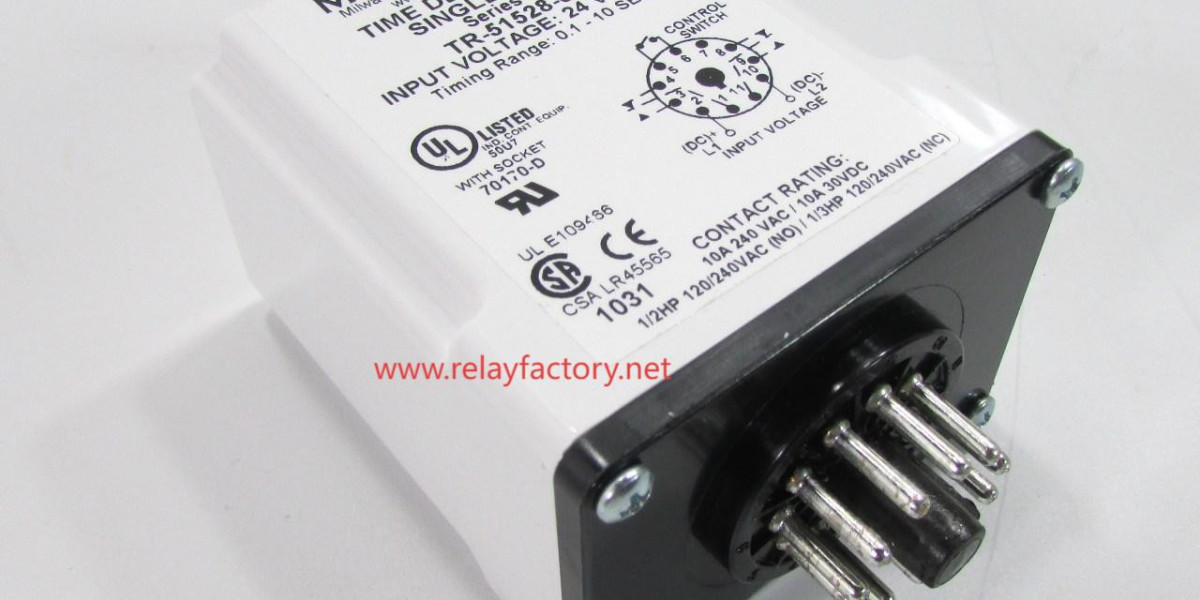

Multifunction Time Relay Manufacturer selection should involve a detailed discussion about product requirements, technical documents, and order arrangements. For industrial equipment builders, automation integrators, electrical distributors, and OEM purchasing teams, a product description alone may not answer every project question. Buyers need to understand how the component fits their control design, how the proposed configuration will be checked, and what information will be provided throughout the purchasing process. Asking specific questions before ordering can help both parties establish clear expectations.
Does the Product Match Your Control Diagram?
Start by providing a description of the equipment and its intended operating sequence. Explain when the control signal begins, how the output should respond, and what should happen when the signal stops.
Ask which operating modes are available for the selected model. Depending on the design, functions may include on-delay, off-delay, interval, pulse, and cyclic operation. Do not assume that every model supports the same selection.
A control diagram can make this discussion more practical. It allows the technical team to compare the required sequence with the product function and connection arrangement. If the equipment has several operating stages, identify each stage clearly rather than describing the application in general terms.
Buyers should also ask how the selected mode is configured and whether the setting can be changed after installation. This is particularly relevant when one product platform is used across different machine versions.
Are the Electrical Ratings Suitable for Your Equipment?
The next discussion should cover the electrical requirements. Confirm the rated supply voltage and whether the input uses AC or DC power. Also distinguish the control supply from the voltage and current handled by the output contacts.
Ask for details about the contact arrangement, including normally open and normally closed contacts, the number of outputs, and rated switching capacity. These details should match the actual circuit design.
Connected loads also need to be identified. A contactor coil, solenoid, motor-related circuit, and resistive load may have different switching characteristics. Buyers should provide load information so that the proposed configuration can be reviewed against the application.
Request the datasheet and wiring diagram for the exact model. Check terminal numbers, connection points, and any additional components required for installation. If the project has special electrical conditions, discuss them before approving the product specification.
Can You Review a Sample Before Confirming the Order?
Sample evaluation can help purchasing and engineering teams examine a product before arranging a larger quantity. Ask whether samples are available, how they can be ordered, and whether the sample represents the proposed production configuration.
During evaluation, check the housing dimensions, mounting arrangement, terminal positions, adjustment method, and indicator layout. Engineers can also connect the sample to a representative circuit and observe whether its operating behavior corresponds with the approved requirements.
Prepare a checklist before testing. Include the expected switching sequence, supply conditions, connected load, installation space, and any special operating requirements. Record questions or differences found during evaluation and discuss them before approving the sample.
It is also useful to clarify sample charges, shipping costs, evaluation arrangements, and the procedure for approving the final version. A written sample approval can provide a reference for subsequent purchasing and production discussions.
Which Custom Options Can Be Discussed?
Some projects can use standard configurations, while others require particular electrical or physical arrangements. Buyers should ask which details can be adjusted according to the existing product design.
Possible discussion areas include supply voltage, output contacts, operating functions, housing dimensions, terminal layout, product markings, and packaging. The availability of each option should be confirmed rather than assumed.
For an OEM project, provide drawings, reference samples, written requirements, or photographs where appropriate. Separate essential requirements from optional preferences. This helps the technical team assess the request and explain any design limitations or additional development work.
Buyers should also ask how customized versions are identified. A clear model reference and specification record can help purchasing departments distinguish product variations, manage stock, and prepare repeat orders.
What Inspection Procedures Are Included?
Quality checks should be discussed before production begins. Ask which inspections are performed during assembly and before shipment, and whether relevant records can be provided.
Depending on the product design, inspection items may include visual appearance, dimensions, terminal identification, electrical characteristics, and operating function verification. Buyers should confirm the applicable checks and acceptance requirements for their order.
For projects with specific inspection needs, provide the requirements in writing. If the purchasing agreement includes particular test records or documentation, identify them during the quotation stage.
It is also worth asking how production batches are identified and how questions about nonconforming items are handled. Clear procedures give both parties a common reference when checking delivered products.
How Are Packaging and Delivery Arranged?
Packaging can affect storage, transportation, and warehouse management. Buyers should ask about individual product packaging, carton quantities, labels, protective materials, and shipping documentation.
For distributors, clear product identification can make it easier to distinguish different configurations in inventory. For equipment builders, packaging quantities and delivery schedules may need to match assembly plans.
Provide the expected order quantity, destination market, preferred packaging format, and any labeling requirements when requesting a quotation. Also confirm the estimated production schedule, dispatch arrangements, and documents supplied with the shipment.
If repeat orders are expected, discuss how approved specifications and product references will be maintained. This can help reduce the amount of technical information that needs to be clarified during future purchases.
What Support Is Available After Delivery?
Buyers should also ask how technical questions are handled after receiving the goods. Relevant topics may include installation instructions, wiring questions, product documentation, and communication about approved configuration changes.
For OEM customers, questions may come from engineering, purchasing, quality control, or maintenance departments. It is useful to establish a clear contact process so that inquiries can be directed to the appropriate team.
Before confirming the order, check which documents are included and whether additional technical information can be requested when needed. Distributors may also require product descriptions and operating instructions for their own sales and service activities.
A practical purchasing checklist should therefore cover product functions, electrical ratings, sample approval, customization, inspection, packaging, delivery, and after-sales communication. Keeping these points in a written specification helps both parties follow the same requirements throughout the order process.For businesses sourcing industrial control components, relayfactory provides product information and purchasing support for different application requirements. Visit https://www.relayfactory.net/ to review available products and contact the team with circuit drawings, technical specifications, sample inquiries, or OEM project details for further discussion.