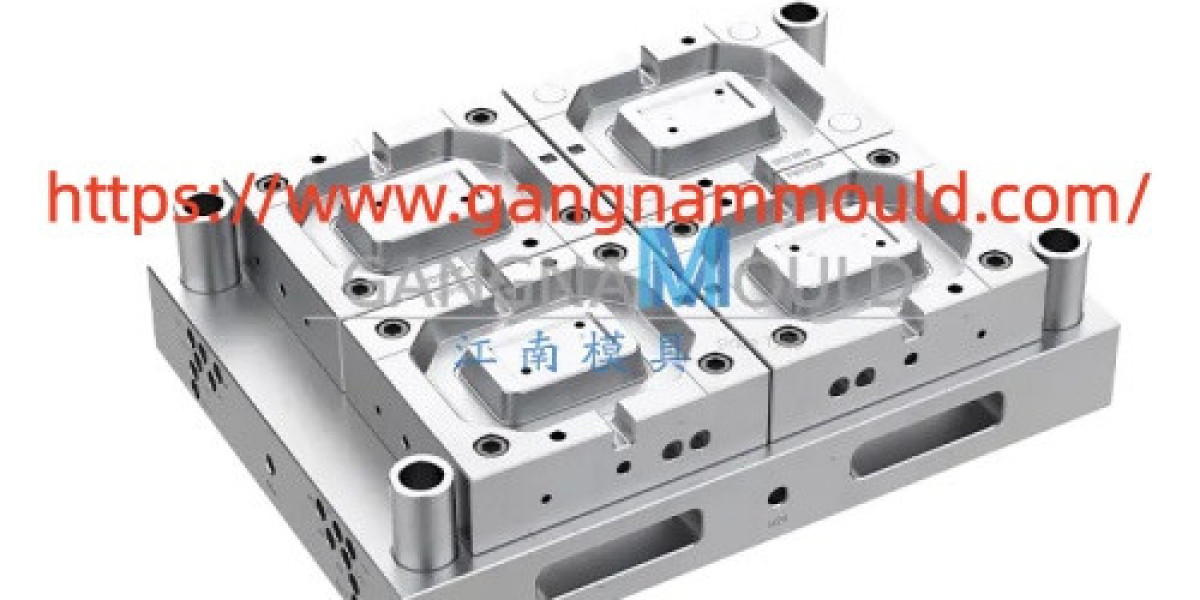

Packaging Box Injection Mould development plays an important role in how manufacturers transform creative concepts into practical products. In a competitive market, appearance, usability, structural consistency, and manufacturing efficiency all influence purchasing decisions. Businesses are paying greater attention to how product structures communicate brand identity while meeting everyday functional requirements. For manufacturers, the challenge is to connect visual creativity with reliable production planning. This is where professional tooling development becomes an important part of the product creation process.
Product design is no longer limited to choosing an attractive shape or adding decorative details. Manufacturers need to consider how a product will be handled, stored, transported, displayed, and used. Every structural decision can influence the final appearance and customer experience. A carefully planned design should balance visual appeal with practical functionality, allowing the finished item to serve its intended purpose without unnecessary complexity.
Material selection is another important consideration during development. Different plastic materials have different characteristics in terms of flexibility, surface appearance, durability, and processing behavior. The intended application should guide material decisions rather than following a general preference. Manufacturers may need to evaluate resistance to everyday handling, surface finish, environmental considerations, and compatibility with their production processes.
Sustainability has also become an increasingly discussed subject across manufacturing industries. Current industry conversations emphasize material transparency, recyclability, and more responsible product development. However, environmental claims should be supported by appropriate material information and actual manufacturing practices. Companies can begin by reviewing material choices, reducing unnecessary structural complexity, and considering whether the finished product can support more practical recovery or recycling options. These decisions are worth discussing during the early design stage rather than waiting until production is underway.
Another factor that deserves attention is the relationship between structural design and manufacturing technology. A design that looks attractive on a computer screen may require adjustments before it can be produced efficiently. Wall distribution, corner transitions, surface details, opening structures, and product geometry all deserve careful evaluation. Early communication between designers and technical teams can help identify potential challenges before they affect production planning.
For buyers, selecting a manufacturing partner requires more than comparing visual samples. Understanding the development process can make communication easier and reduce misunderstandings. Buyers should consider whether a supplier can interpret technical drawings, discuss structural improvements, explain material options, and respond to customization requirements. Clear communication is particularly important when a project involves specific appearance expectations or different versions of the same product.
Gangnam focuses on professional mould development and customized manufacturing solutions. Its experience in plastic product tooling provides a foundation for working with customers who need practical support throughout product development. From initial design discussions to structural evaluation, each stage requires attention to the relationship between the intended product and its manufacturing requirements. This approach helps customers communicate their expectations and consider possible improvements before moving forward.
Surface appearance also deserves attention because it influences how consumers perceive a product. Smooth finishes, carefully arranged edges, recognizable shapes, and balanced proportions can contribute to a consistent visual identity. Some brands prefer simple and understated designs, while others need distinctive forms that communicate a particular market position. The right approach depends on the intended audience, product category, and overall brand strategy.
Digital design tools have changed how manufacturers approach product development. Three-dimensional modeling allows designers and technical teams to review structural details, discuss modifications, and identify possible production concerns before physical manufacturing begins. Better visualization can also make communication between overseas buyers and suppliers more convenient. When both parties have a clear understanding of the intended structure, the development process becomes easier to coordinate.
The user experience should remain central throughout these decisions. A practical product should feel comfortable to handle, offer convenient access where needed, and fit naturally into its intended environment. Manufacturers should consider how customers interact with an item during everyday use rather than focusing exclusively on its appearance. Small design details can influence convenience and the overall impression of a finished product.
Another consideration is whether the selected supplier can accommodate changing project requirements. Product development often involves revisions as brands evaluate market feedback, adjust visual concepts, or refine functional expectations. A cooperative supplier should be willing to discuss these changes and explain how they may affect tooling structure and production arrangements. This kind of communication helps buyers make informed decisions throughout the manufacturing process.
For companies developing new plastic products, choosing the right technical partner is an important business decision. Gangnam brings attention to customized tooling development, structural planning, and practical manufacturing considerations. By connecting design intentions with production knowledge, the company supports businesses looking to develop products that reflect their brand identity and application requirements. Companies interested in discussing their next project can visit https://www.gangnammould.com/ to review Gangnam and its manufacturing capabilities while considering a suitable direction for their product development plans.