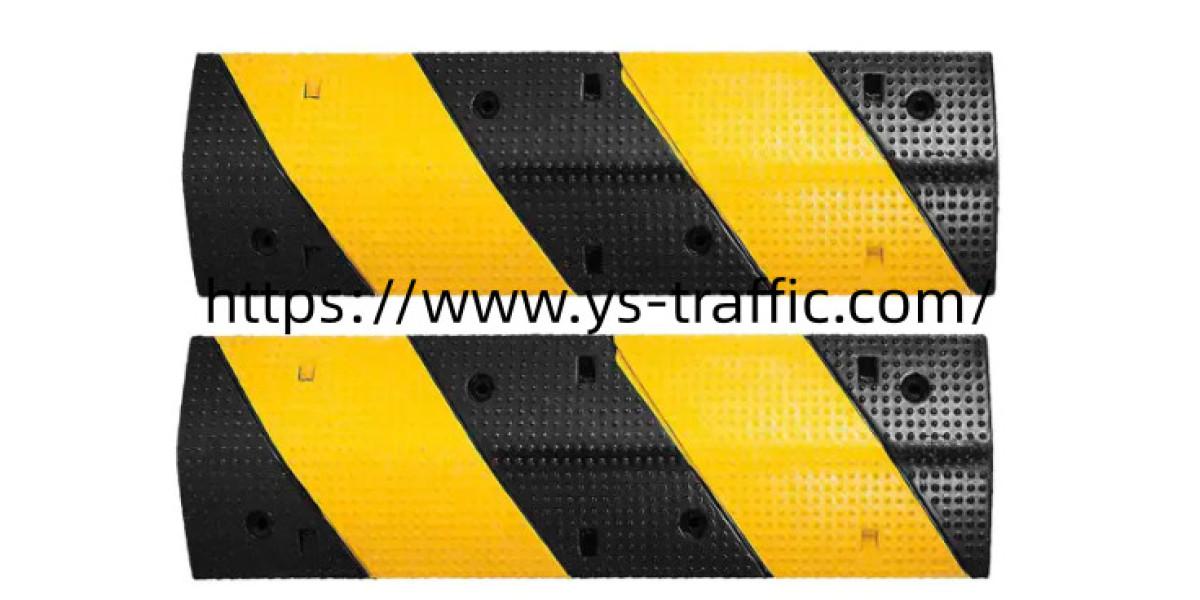

Speed Hump selection involves several factors beyond product appearance and purchasing cost. Buyers should evaluate material composition, dimensions, load requirements, reflective features, and installation conditions before confirming an order. For distributors, road contractors, property managers, and industrial purchasers, understanding these details helps match product configurations with actual site requirements. A clear purchasing plan also allows manufacturers to provide relevant recommendations and prepare accurate quotations.
Identify the Road Environment and Vehicle Types
The first step is to understand where the product will be installed. Parking facilities, residential communities, school entrances, warehouse roads, and industrial access areas have different traffic conditions. A configuration suitable for a private parking area may not meet the requirements of a site used by delivery trucks or industrial vehicles.
Buyers should identify the types of vehicles passing through the location, their approximate weight, and the expected traffic frequency. Vehicle clearance is another point worth checking, particularly when low-profile cars or vehicles carrying heavy loads use the route.
Road width and installation position should also be measured. These details help determine the required product length and whether additional sections or end pieces are needed. Sharing site photographs or a simple layout drawing can make communication with a manufacturer more efficient.
Compare Rubber Materials and Construction
Material composition influences how a product responds to repeated vehicle contact and outdoor conditions. Rubber is commonly used for traffic calming products because it provides a flexible construction and can be formed into different profiles.
Buyers should ask about the rubber composition, density, hardness, and manufacturing process. Recycled rubber and other rubber compounds may have different properties, so purchasers should compare technical information according to the intended application.
Construction details also deserve attention. A molded body, surface pattern, and connection structure can affect product handling and installation. For outdoor projects, ask about resistance to moisture, sunlight, and temperature changes. Requesting relevant material information helps purchasing teams assess whether the proposed model matches the site environment.
Check Height, Width, and Load Requirements
Product dimensions should correspond with the road layout and vehicle requirements. Height influences the transition between the road surface and the installed unit, while width and length determine how the product covers the intended area.
Buyers should measure the available installation space and consider the vehicle types that will pass over it. A profile designed for passenger cars may have different dimensions from a model intended for commercial or industrial traffic.
Load information should be reviewed carefully. Ask the manufacturer how the stated capacity is measured and whether it refers to axle load, vehicle weight, or another testing condition. These values are not interchangeable. Purchasers should compare the published data with actual site requirements instead of making assumptions based on appearance.
Examine Visibility and Surface Features
Drivers need enough visual information to recognize a traffic calming installation. Black and yellow color combinations, reflective strips, or embedded reflective elements can help make the product more noticeable under different lighting conditions.
Buyers should check the type, position, and maintenance requirements of the reflective components. If the installation is located in a poorly lit area, visibility deserves particular attention. The surrounding environment, road markings, and lighting arrangement should also be considered.
Surface texture is another practical factor. A patterned surface can provide additional grip for vehicle tires. Purchasers should ask about the surface design and whether the product is intended for the expected weather and operating conditions.
Review Modular Connections and Fixing Methods
Many rubber models use separate middle sections and end pieces. This modular arrangement allows buyers to adjust the overall length according to the road width. It can also make transportation, storage, and replacement planning more convenient.
Before ordering, confirm that all selected sections have compatible dimensions and connection structures. Buyers should also check the number and position of mounting holes, along with the recommended fixing hardware.
The installation surface matters as well. Asphalt and concrete may require different anchoring arrangements. Ask the supplier which fixing method is suitable for the actual ground and whether installation instructions are available. Proper preparation can help reduce movement during regular vehicle use.
Ask About Customization and Quality Inspection
Some projects require dimensions, colors, logos, or mounting layouts that differ from standard models. Buyers should discuss these requirements with the manufacturer before requesting a final quotation.
Useful details to provide include the installation location, expected vehicle types, required quantity, preferred dimensions, and reflective marking options. Technical drawings and reference photographs can help clarify the requested configuration.
Purchasers should also ask about sample availability, dimensional inspection, material checks, packaging, and production schedules. For bulk orders, agreeing on inspection criteria before manufacturing begins can help both parties maintain a consistent understanding of the expected product.
Discuss Your Traffic Safety Project with ys-traffic
Selecting suitable traffic calming equipment requires careful consideration of road conditions, vehicle movement, material construction, visibility, and installation requirements. Buyers who prepare these details in advance can communicate more clearly with manufacturers and plan their purchases with greater confidence.ys-traffic provides rubber traffic safety products in different dimensions and modular configurations, with options for project and wholesale requirements. Buyers can discuss product selection, customization, samples, and bulk orders with the manufacturer. Visit https://www.ys-traffic.com/ to review the product range and submit your project requirements.