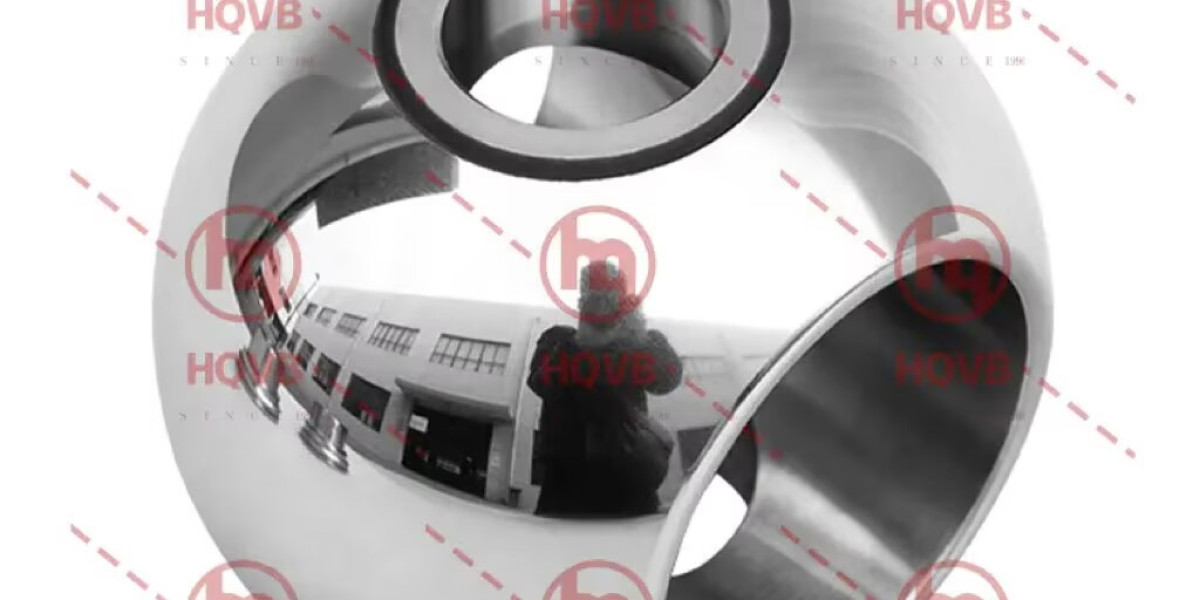

Ball Valve Ball purchasing requires more than selecting a diameter and requesting a quotation. For equipment manufacturers, engineering companies, distributors, and industrial buyers, this component must correspond with the assembly design and intended operating conditions. Material compatibility, port configuration, spherical geometry, machining tolerances, and surface treatment can all influence how the finished part fits into an assembled product. Before placing an order, buyers should prepare technical information and discuss important details with the manufacturer to establish a clear production reference.
Start with the Application Conditions
The operating environment should be considered before choosing a material or processing method. A component used in a water pipeline may have different requirements from one intended for chemical processing, oil and gas equipment, or industrial steam systems.
Buyers should provide information about the working medium, operating temperature, pressure range, and expected operating frequency. These details help the technical team evaluate whether the proposed material and surface treatment are suitable for the intended application.
It is also important to explain whether the purchase involves a new equipment design or replacement components. For replacement projects, an original sample, product drawing, or existing part number can help clarify the required configuration.
Confirm the Material Grade and Surface Treatment
Material selection should be based on the working environment and design requirements. Depending on the application, buyers may consider stainless steel, carbon steel, alloy materials, or other specified options.
Each material has different characteristics related to corrosion resistance, hardness, mechanical properties, and processing requirements. Therefore, purchasers should avoid choosing a material based only on its general name. The exact grade and applicable material standard should be included in the inquiry.
Surface treatment also deserves attention. Options may include polishing, grinding, plating, coating, or other finishing processes according to the project specification. Buyers should explain whether the component will operate with particular sealing materials or under conditions that require additional surface protection.
When a coating is requested, confirm its type, required thickness, treated areas, and dimensional allowances before production begins.
Check Geometry and Connection Features
The outside diameter is only one part of the technical specification. A finished component may also require particular bore dimensions, port arrangements, stem slots, connection features, and geometric relationships.
For example, a floating design and a trunnion-mounted design may have different structural requirements. Buyers should provide a detailed drawing showing the relevant dimensions and connection positions instead of relying on a general product description.
Roundness, concentricity, bore alignment, and other geometric tolerances should be identified where they affect assembly or operation. Clearly marked dimensions help the machining team understand which areas require particular attention.
For customized projects, it is useful to assign a drawing number and revision date. This prevents confusion when technical changes are introduced during communication or sample development.
Discuss Machining and Finishing Capabilities
Manufacturing arrangements can influence dimensional control and surface consistency. Buyers should ask which machining operations are required and how the production team manages the transition between rough processing, precision machining, grinding, and polishing.
Not every design needs the same processing route. The selected method should correspond with the material, component geometry, required tolerances, and intended application.
Purchasers can also ask how critical dimensions are monitored during production. Measuring equipment, inspection frequency, and documented acceptance criteria are useful subjects for a technical discussion.
If the project involves special ports or non-standard connections, provide drawings and explain the functional requirements. This gives the manufacturer a clearer basis for evaluating processing arrangements and identifying possible production considerations.
Request a Sample and Define Inspection Criteria
Sample approval provides an opportunity to check whether the proposed manufacturing arrangement matches the agreed specification. Before bulk production, buyers can examine dimensions, surface condition, port geometry, connection features, and material documentation where required.
Inspection criteria should be agreed in advance. Depending on the project, checks may include dimensional measurement, roundness, surface roughness, hardness, coating thickness, and material verification.
A visual examination alone may not confirm whether all technical requirements have been met. Buyers should identify critical measurements and request suitable inspection records when these are part of the purchase agreement.
Once a sample has been approved, retain its reference number and corresponding drawing revision. This can support communication during repeat orders and help both parties identify the intended configuration.
Review Production Quantities and Delivery Arrangements
Purchasing quantity can influence production planning, material preparation, and processing arrangements. Buyers should communicate estimated order volumes, expected repeat-purchase frequency, and any requirements for different sizes or configurations.
For projects involving several component models, prepare a separate specification list for each item. Include product codes, quantities, materials, finishing requirements, and inspection details. This makes quotation preparation and order confirmation easier to manage.
Packaging should also be discussed according to transportation distance and storage conditions. Confirm whether individual protection, separators, moisture protection, labels, or customized cartons are required.
Before shipment, buyers should clarify the agreed delivery schedule, packing information, and accompanying documents. Written confirmation helps keep the purchasing, production, and logistics teams aligned.
Discuss Your Component Requirements with ballvalveballs
A well-prepared purchasing inquiry gives manufacturers a clearer understanding of the required design, material, machining details, and inspection expectations. For equipment producers, industrial distributors, and engineering buyers, technical communication can help turn drawings and project requirements into a practical production plan. ballvalveballs welcomes inquiries about standard configurations, customized dimensions, material options, and surface processing requirements. Visit https://www.ballvalveballs.net/ to review the product range and discuss your component requirements with the team.