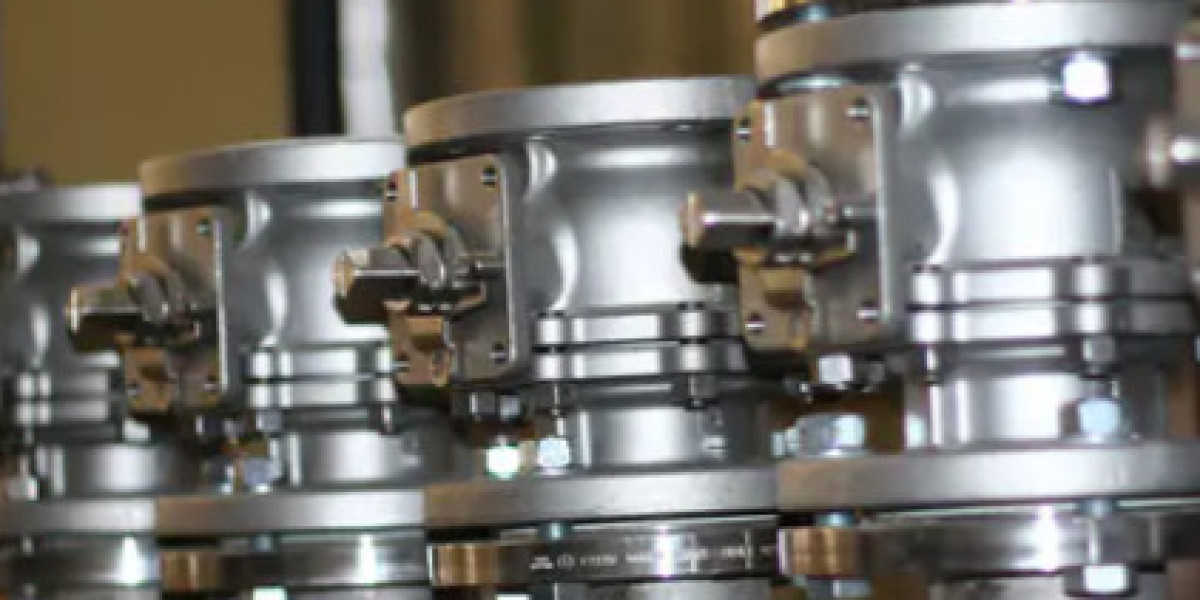

Industrial pipeline systems require valves that can provide effective flow isolation while meeting specific pressure, temperature, and installation requirements. A Forged Steel Floating Ball Valve combines a forged body construction with a floating-ball operating principle, making it a potential choice for suitable industrial pipeline applications. To select the right configuration, buyers should understand how the body is manufactured, how the ball and seats create a seal, and how material and pressure specifications affect the final product.
The floating-ball principle uses a spherical closure element that is supported by the valve seats rather than fixed on a trunnion at both ends. When the valve is open, the ball bore aligns with the pipeline and allows fluid to pass through. When the ball rotates to the closed position, upstream pressure pushes it toward the downstream seat. This movement helps create the contact force needed for shut-off. The design is commonly used within the size and pressure limits established for the specific valve model.
Forging is a manufacturing process in which metal is shaped under compressive force. Compared with casting, forging uses a different material-forming method and can provide a refined grain structure in suitable components. The resulting mechanical properties depend on the material grade, forging process, heat treatment, and component geometry. Forged steel bodies are often selected for applications where the specified mechanical strength and compact construction are important. The exact suitability should be assessed against the valve design and service conditions.
The body is the main pressure-containing component. It supports the ball, seats, stem, and other internal parts while connecting the valve to the pipeline. Forged carbon steel and stainless steel options may be available according to the intended medium and operating environment. Carbon steel is often used in general industrial service where its properties are suitable. Stainless steel may be considered where additional corrosion resistance is required. Material selection should account for fluid composition, temperature, pressure, and possible corrosion or erosion.
The ball is generally machined to achieve the required dimensions, surface finish, and flow passage. Its geometry must match the seat arrangement and stem connection. Surface quality is important because the ball forms the sealing interface with the seats. Dimensional accuracy also affects operating torque and the consistency of contact between components. Manufacturers should apply suitable machining and inspection procedures to maintain the required fit and finish.
Seat materials determine how the valve seals against the ball. Soft seats made from engineered polymers are common in many general industrial applications because they can provide effective shut-off under suitable conditions. However, seat performance depends on temperature, pressure, chemical compatibility, and the characteristics of the medium. Different seat materials may be required for different services. Buyers should confirm the selected material's operating range instead of assuming that one seat type is suitable for all applications.
The stem connects the operating device to the ball and transfers the force required to rotate it. Its design must support the operating load and maintain appropriate alignment with the body. Stem packing helps prevent leakage around the stem, while body seals and gaskets help maintain pressure-boundary integrity. Materials for these components should be compatible with the process medium and temperature. The complete sealing arrangement needs to be reviewed as part of the valve specification.
Operating options depend on valve size, torque, and automation requirements. Smaller valves may use a lever handle, while larger configurations may require a gearbox. Pneumatic and electric actuators can support remote operation in automated process systems. The operating device should be selected according to the valve's required torque, operating frequency, and control arrangement. Buyers should also confirm available mounting interfaces and any required position indication accessories.
Pressure rating is determined by the valve's design, materials, size, and applicable specifications. The pressure capability should not be evaluated independently of temperature because allowable working pressure may vary with service conditions. End connections must also match the pipeline. Common options include threaded, socket-weld, butt-weld, and flanged connections, depending on the valve model and size. Connection dimensions and standards should be checked against the project drawings before ordering.
Forged steel floating ball valves may be used in oil and gas systems, chemical processing, power generation, water treatment, and general industrial pipelines. Their suitability depends on the fluid, operating pressure, temperature, and required shut-off performance. For example, a valve intended for clean water service may need different materials from one handling hydrocarbons or chemically aggressive media. Applications involving solids or abrasive particles may require additional review of the seat and internal component design.
Installation and maintenance also influence service life. The pipeline should be cleaned before installation to prevent welding debris, scale, or foreign material from damaging the ball and seats. The valve should be installed in accordance with the manufacturer's instructions, with suitable support and alignment. During operation, avoid using an on-off ball valve for continuous throttling unless the design specifically permits that duty. Routine checks should follow the recommended maintenance schedule and plant procedures.
Before purchasing, engineering and procurement teams should prepare a specification covering nominal size, pressure class, body and trim materials, medium, temperature range, end connections, and operating method. They should also identify applicable standards, inspection requirements, and documentation needs. Reviewing drawings and technical data helps ensure that the proposed valve configuration matches the pipeline system.
A properly specified Forged Steel Floating Ball Valve can provide practical isolation performance when its forged body, internal components, and operating arrangement are suitable for the intended service. Buyers should evaluate the complete design and verify all critical parameters with the manufacturer. For available industrial valve products and configuration information, visit https://www.ncevalve.com/product/ to explore suitable options for your project.