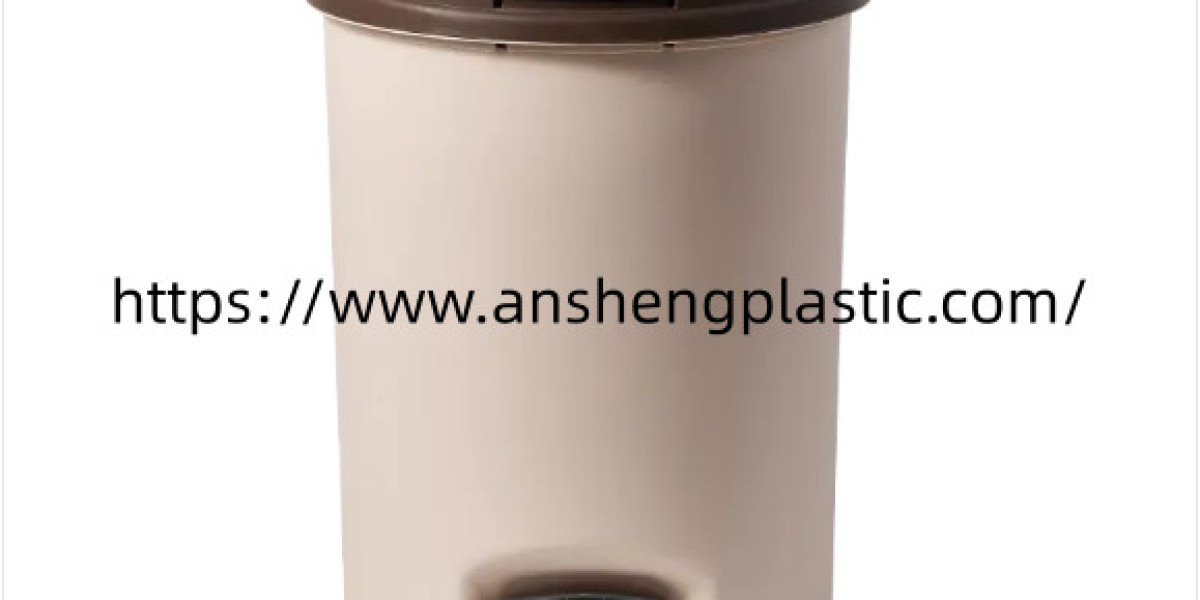

Outdoor waste collection requires containers that can accommodate regular disposal while remaining practical in changing environmental conditions. When selecting an Outdoor Plastic Waste Bin, property managers, distributors, contractors, and procurement teams need to evaluate material characteristics, capacity, structural stability, placement, and maintenance requirements. These containers are commonly used in parks, gardens, residential communities, commercial properties, school campuses, recreational facilities, and public walkways. Their design should reflect the type of waste being collected and the conditions of the installation location.
Unlike many indoor waste containers, outdoor models are exposed to a wider range of environmental influences. Sunlight, rain, temperature changes, dust, wind, and frequent handling can all affect product use over time. A container placed in a sheltered courtyard may experience different conditions from one installed beside a road or in an open public park. Buyers should therefore identify the actual operating environment before selecting a product. This information helps establish appropriate expectations for material selection, construction, and maintenance.
Plastic is widely used in outdoor waste collection products because it can be molded into different shapes and capacities while remaining relatively easy to handle. Polyethylene and polypropylene are common thermoplastic materials in this product category. Their mechanical characteristics and suitability vary according to formulation, product design, and manufacturing conditions. Buyers should confirm the material specifications of individual models instead of assuming that all plastic containers offer identical resistance to impact, sunlight, or temperature changes.
Sunlight exposure deserves particular attention. Prolonged ultraviolet exposure can contribute to color fading and changes in the properties of some plastic materials. Where containers are expected to remain outdoors for extended periods, buyers may wish to discuss suitable material formulations and any available UV-related specifications with the supplier. Performance should be evaluated according to the actual material and product design rather than relying on general claims about outdoor suitability.
Rain and moisture also influence outdoor waste collection. A container's opening and lid configuration can affect how easily rainwater enters the body. Covered designs may help reduce direct exposure of collected waste, although the actual protection depends on the lid structure and installation conditions. Drainage requirements should also be considered when relevant to the intended application. Buyers should determine whether the container needs a fully covered design, a removable lid, or an accessible opening for frequent disposal.
Structural stability is especially important in exposed locations. Wind, uneven surfaces, and accidental contact may cause poorly positioned containers to move or tip over. A stable base and suitable proportions can help improve placement reliability. For certain commercial and public applications, buyers may also need to consider how the container will be positioned, whether it requires a designated installation area, and how cleaning personnel will access it. The product should be selected according to the conditions at the site rather than simply its external appearance.
Capacity is another central selection factor. Small outdoor bins may be appropriate for private gardens, entrances, and residential areas with relatively low waste volumes. Medium-sized containers can serve office grounds, school campuses, and shared residential facilities. Larger models may be required in parks, recreational areas, commercial properties, and public spaces with higher visitor numbers. An appropriate capacity can reduce the frequency of emptying while avoiding unnecessary obstruction of pedestrian movement.
The opening design should match the type of waste expected. Open-top containers provide straightforward access and may be useful in locations where rapid disposal is important. Covered containers can help conceal waste and reduce direct exposure to the surrounding environment. Some applications may benefit from larger openings for bulky refuse, while others require a more controlled opening to encourage proper disposal. Buyers should evaluate ease of use, cleaning access, and the expected waste composition before deciding on a configuration.
Color and visual identification can support organized waste collection in outdoor environments. Different colors may be used to distinguish general refuse from recyclable materials, depending on local waste management arrangements. Public facilities may also require containers that are visually compatible with landscaping, buildings, or municipal equipment. For large projects, purchasing teams should confirm color availability and consistency between production batches. If labels or identification graphics are needed, their placement and durability should be considered during product selection.
Maintenance requirements should be assessed before installation. Outdoor containers can accumulate dust, soil, leaves, and residue from deposited waste. Smooth surfaces and accessible interior areas can make routine cleaning easier. Removable lids may provide better access for emptying and washing, while simple structures can reduce the number of areas where dirt collects. Cleaning frequency should be determined according to the volume and type of waste, the location, and the facility's maintenance procedures.
For public and commercial projects, purchasing teams should also examine how containers will be emptied and transported by cleaning personnel. Handles, lifting points, body dimensions, and overall weight can influence daily maintenance efficiency. If containers need to be moved regularly, their portability becomes an important design consideration. If they remain in fixed locations, buyers may instead prioritize stable placement and compatibility with the surrounding collection system.
International distributors should pay attention to product specifications, packaging, and shipping efficiency. Large plastic containers can occupy substantial warehouse and container space, so dimensions and stacking arrangements should be reviewed before ordering. Where nesting is supported by the product design, it may improve transportation efficiency. Buyers should confirm that the proposed arrangement will not create unwanted deformation or damage during storage and shipment.
When sourcing an Outdoor Plastic Waste Bin for wholesale distribution or facility projects, buyers should compare environmental exposure, capacity, structural design, material information, maintenance requirements, and intended placement. They should also request product samples or clear specifications when these are necessary for project approval. Businesses looking for plastic waste collection products for different market applications can visit https://www.anshengplastic.com/ to review available product information and support their purchasing decisions.