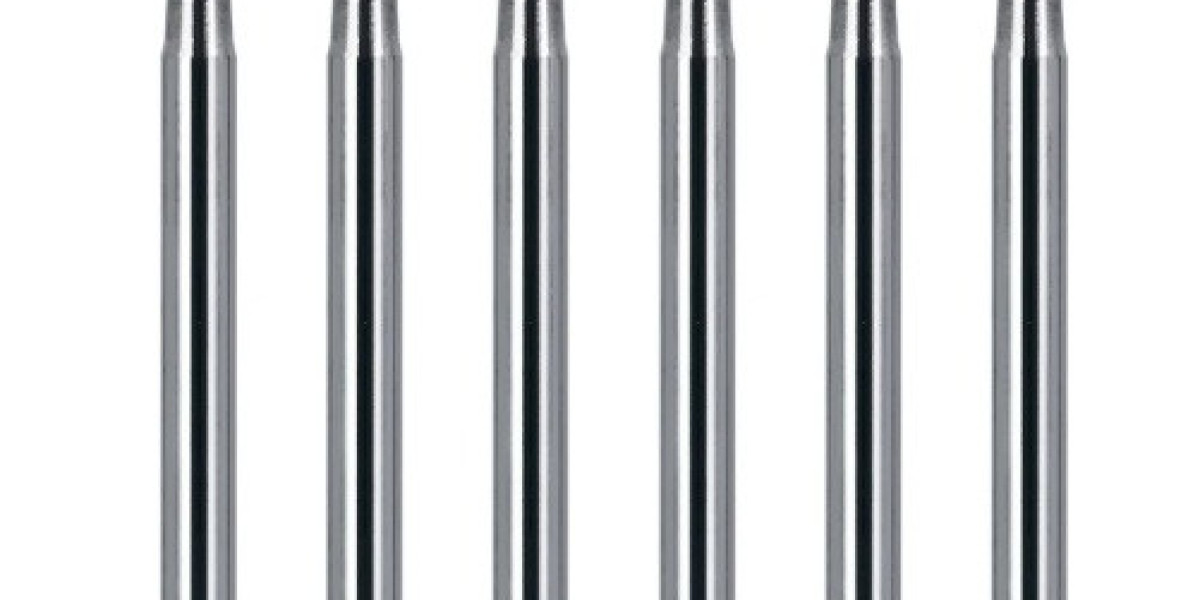

Long Shank Burs are developed for machining applications that require access to recessed surfaces, narrow openings, and deep cavities. For industrial buyers, choosing suitable products involves more than comparing dimensions or prices. Cutting head geometry, material compatibility, equipment requirements, manufacturing consistency, and supplier capabilities all influence whether a product can meet the intended working conditions. Evaluating these factors before ordering can help purchasing teams make more informed decisions.
Identify the Actual Application Requirements
Before comparing product specifications, buyers should understand the machining tasks that need to be completed. Common applications include deburring, shaping, edge finishing, surface preparation, and material removal. Each operation may require a different cutting profile and product configuration.
Start by examining the workpiece structure. Consider the depth of the working area, the width of openings, the shape of internal corners, and the amount of material that must be removed. These details help determine which product dimensions and cutting head designs are appropriate.
Production frequency is another consideration. A tool used for occasional maintenance may have different purchasing requirements from one used in a continuous manufacturing process. Buyers should explain their expected workload when discussing product options with a supplier.
Select a Suitable Cutting Head Design
The cutting head determines how the tool contacts and processes the workpiece. Different shapes support different machining tasks, so buyers should compare geometry rather than choosing solely by appearance.
Cylindrical profiles may be considered for certain straight surfaces, while rounded designs can be useful for curved areas. Pointed and tapered profiles may suit detailed operations where access to smaller spaces is necessary. The appropriate choice depends on the component design and the desired finishing result.
Head diameter, cutting length, and tooth configuration should also be reviewed. Buyers can prepare technical drawings or reference samples to help the manufacturer understand the required specifications. Clear documentation is particularly useful when an order includes several product variations.
Confirm Dimensions and Machine Compatibility
Product dimensions must match the equipment used in the workshop. Before ordering, purchasing teams should verify the required connection diameter, collet size, overall length, and available machine specifications.
The relationship between tool length and working conditions deserves careful consideration. A longer design may provide access to areas that standard products cannot easily reach, but the selected equipment must be suitable for the intended configuration.
Buyers should also consider operating stability and handling requirements. Providing accurate equipment information allows the manufacturer to review compatibility before production. This step can reduce the possibility of receiving products that do not fit existing machinery.
Match Product Specifications With Workpiece Materials
Different materials create different machining conditions. Aluminum, carbon steel, stainless steel, and other industrial materials vary in hardness, surface characteristics, and material-removal behavior.
For this reason, buyers should tell the manufacturer which materials will be processed and what results they expect. An operation focused on removing excess material may require different cutting characteristics from one intended for controlled edge finishing.
The required surface condition should also be explained. Some applications prioritize efficient processing, while others require careful control over the final profile. Matching the product configuration with these expectations helps buyers avoid selecting unsuitable specifications.
Evaluate Manufacturing Consistency
Consistent dimensions and product construction are important for customers who purchase tools repeatedly. Differences in head geometry, overall measurements, or cutting characteristics may affect standardized production processes.
Before placing an order, buyers can ask about manufacturing procedures, inspection arrangements, and dimensional verification. Sample evaluation is another practical way to check whether a proposed product meets the intended requirements.
Packaging and product identification also deserve attention. Clear labels and organized packaging help warehouse teams distinguish between different specifications, manage inventory, and prepare products for distribution.
Discuss Customization and Order Arrangements
Standard specifications may not cover every industrial application. Some buyers need customized dimensions, special cutting profiles, or particular packaging arrangements. In these cases, providing detailed drawings and measurements can make communication more efficient.
Purchasing teams should also confirm sample availability, minimum order quantities, production schedules, and delivery arrangements. Discussing these details before manufacturing begins helps establish clear expectations for both parties.
For recurring orders, retaining approved drawings and sample records can support consistency. These references make it easier to communicate changes and confirm specifications during future purchasing cycles.
Assess the Manufacturer's Technical Communication
A manufacturing partner should be able to explain product specifications and respond clearly to application-related questions. Buyers can evaluate a supplier by discussing available configurations, customization procedures, inspection methods, and order arrangements.
Distributors and wholesalers may also need support with product identification, packaging, and repeat purchasing. Clear communication helps reduce misunderstandings when managing multiple product types or serving customers with different requirements.
Rather than comparing suppliers by quoted price alone, buyers should review the complete purchasing proposal. Product suitability, dimensional accuracy, production arrangements, packaging, and communication all contribute to the decision.For industrial buyers seeking practical tooling solutions, preparing application details before contacting a manufacturer can make the selection process more efficient. carbidebursfactory provides product information and manufacturing support for customers evaluating different rotary tooling requirements. Visit https://www.carbidebursfactory.com/ to learn more about available products and discuss your project specifications.