
Custom Electronic Connectors procurement requires buyers to look beyond quoted prices and catalogue specifications. Every project has its own installation conditions, structural requirements, electrical characteristics, and production expectations. A suitable purchasing decision begins with understanding how the product will be used and what technical information the manufacturer needs. By preparing these details before requesting a quotation, buyers can improve communication, reduce design misunderstandings, and establish a clearer development process.
Describe the Intended Application
Start by explaining where the product will be installed and what function it needs to perform. A compact handheld device may require a different structure from an automotive control unit or industrial system. The available installation space, operating environment, assembly direction, and expected usage conditions should all be included in the initial inquiry.
It is also important to clarify whether the application involves power transmission, signal transfer, or both. These requirements influence contact arrangements, terminal materials, insulation, and structural design. Providing practical application information allows the engineering team to assess the project based on its actual working conditions.
Buyers should also mention any special requirements involving vibration, temperature, moisture, or repeated insertion. Not every project needs the same evaluation process, so identifying these conditions early helps the manufacturer discuss relevant design considerations.
Organize Drawings and Technical Specifications
Complete technical documentation provides a common reference for buyers and manufacturers. Prepare drawings showing overall dimensions, pitch, pin quantity, contact position, mounting direction, and dimensional tolerances. If the design includes flexible cables or multiple circuit boards, provide the corresponding interface information as well.
Three-dimensional files can be useful when the available space is limited or nearby structures may affect installation. Photos of the intended assembly can also help explain physical conditions that are difficult to describe in writing.
Before submitting the inquiry, check that drawings and specification sheets use consistent measurements and revision numbers. If certain dimensions are still under discussion, identify them as provisional. This prevents unfinished information from being mistaken for an approved production requirement.
A clear technical package also makes it easier to compare quotations. Instead of evaluating prices without context, buyers can check whether each proposal addresses the same dimensions, materials, and functional expectations.
Compare Available Structures and Materials
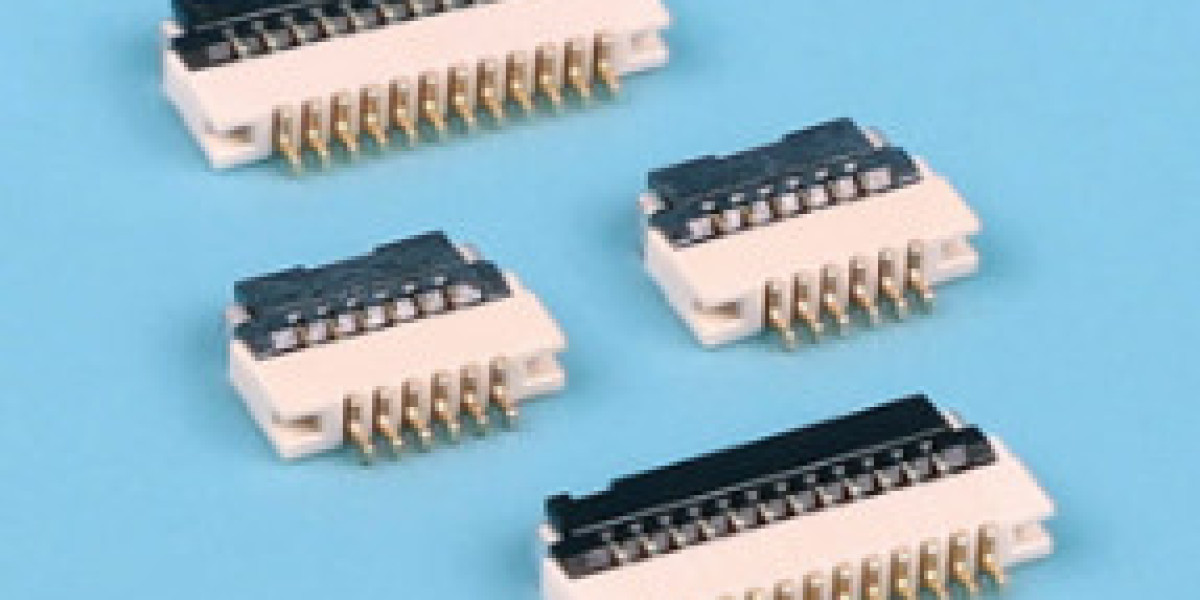
Different product categories are designed for different connection arrangements. FPC flat products support flexible printed circuit applications, while BTB structures connect separate circuit boards. WTB designs provide a wire-to-board interface, and FFC ribbon cables support flexible routing within compact assemblies.
When comparing these options, consider the available space, insertion direction, contact layout, assembly procedure, and maintenance requirements. Housing and terminal materials deserve similar attention. Insulation characteristics, mechanical strength, conductivity, and environmental conditions should all be reviewed in relation to the intended application.
Buyers should avoid selecting a structure based only on its external appearance. A product may look suitable but still create difficulties when installed alongside other parts. Reviewing the full assembly layout helps identify potential interference before sample development begins.
Evaluate the Manufacturer's Production Resources
A supplier assessment should cover design support, tooling arrangements, production equipment, and manufacturing experience. Ask whether the factory can handle mold development, precision stamping, injection molding, terminal processing, and automated assembly. Understanding these processes helps buyers evaluate how the proposed design may move from development into regular production.
wendaelectronics offers product categories including FPC flat products, BTB structures, WTB wire-to-board strip products, FFC ribbon cables, and housing and terminal items. Its production resources include precision punching equipment, injection molding machines, automatic assembly lines, and inspection equipment.
For customized projects, ask whether new tooling is necessary and how design modifications may influence the development schedule. Buyers should also clarify which manufacturing stages are completed internally and how technical changes are communicated. These discussions provide a practical basis for comparing potential suppliers.
Test Samples Before Approving Production
A sample gives buyers an opportunity to evaluate the proposed design before confirming a larger order. The review should cover more than appearance. Check insertion direction, locking operation, contact alignment, cable positioning, and available installation clearance.
Whenever possible, test the sample in the actual assembly or a representative fixture. Observe whether surrounding parts interfere with installation and whether the product can be handled according to the intended assembly procedure. Electrical and mechanical evaluations should follow the project's agreed technical requirements.
If the sample needs adjustment, send specific feedback supported by measurements, photos, or marked drawings. Ask the manufacturer to identify the revised version and update the relevant documentation. Keeping these records helps both parties work with the same approved design.
Confirm Inspection Standards and Delivery Arrangements
Quality expectations should be discussed before production approval. Depending on the product structure, inspection may include dimensional measurement, contact checks, visual examination, electrical testing, and packaging review.
Buyers should define acceptance criteria in writing. These may cover dimensional tolerances, surface condition, contact performance, sampling frequency, and product identification. A documented inspection plan gives the purchasing team and factory a shared reference when reviewing production results.
Delivery arrangements also deserve attention. Confirm the order quantity, production schedule, packaging method, shipping arrangements, and procedure for handling specification changes. For repeat orders, retain approved drawings and revision records so later batches can follow the agreed configuration.
Maintain Clear Communication Throughout the Order
A manufacturing project involves several stages, from the initial inquiry to design confirmation, sample evaluation, production, and delivery. Clear communication helps buyers follow progress and gives the supplier an opportunity to address questions before they affect the schedule.
wendaelectronics supports product development and manufacturing across multiple product categories for consumer products, automotive applications, industrial equipment, and other fields. Buyers can share drawings, target quantities, application details, and sample expectations to begin a focused technical discussion.Before submitting a purchase inquiry, organize the available documents and identify any unresolved design questions. For product information, manufacturing details, and further discussion about project requirements, visit https://www.wendaelectronics.com/ A well-prepared project brief gives the manufacturer a practical starting point for reviewing the proposed design, discussing suitable options, and planning the next stage of cooperation.