
Reliable liquid level management is essential for many industrial processes, from water storage to automated fluid handling. Floating components provide a mechanical way to respond to changes in liquid height and operate connected control devices. A Float Ball Manufacturer supplies these components for applications involving valves, tanks, switches, sensors, and industrial monitoring equipment. For international equipment manufacturers and distributors, choosing an appropriate supplier requires evaluating product design, material suitability, manufacturing consistency, and the ability to meet specific technical requirements.
The working principle of a floating component is based on buoyancy. When placed in a liquid, the body displaces a certain volume of fluid and receives an upward force. As the liquid level changes, the body moves with the surface. This movement can be transferred through a lever, connecting rod, or other mechanical arrangement. In a float valve, the movement may regulate the water inlet. In a level monitoring assembly, it can activate a switching mechanism or interact with a sensing device. The complete equipment determines the control function, while the float provides the physical response.
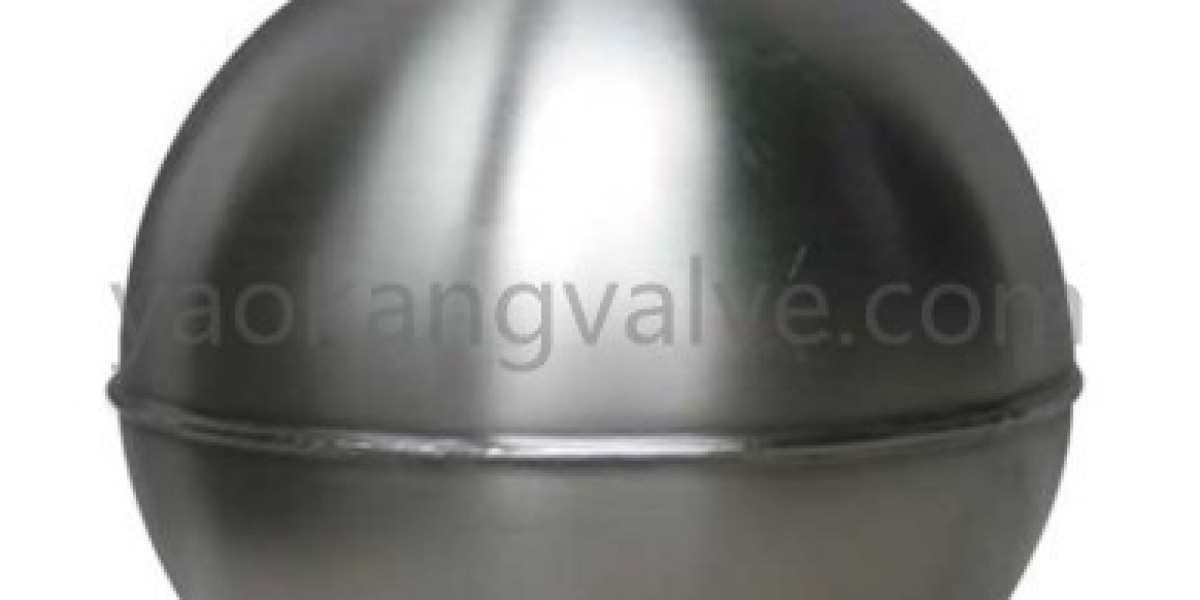
Product structure should match the intended installation. Spherical designs are commonly used in conventional mechanical level control equipment. Elongated and cylindrical forms may be appropriate when the available space or movement arrangement requires a different shape. Flat configurations can address specialized installation conditions. Connection structures also vary according to equipment requirements. Threaded products are suitable for compatible fittings, while through-hole designs allow guide rods or shafts to pass through the center. Bracket-style products can be used in assemblies that require additional support.
Material selection is an important part of product development. Stainless steel is frequently chosen for industrial applications because it combines mechanical strength with resistance to many corrosive environments. Grade 304 is commonly used in general industrial and water-related systems. Grade 316L may be considered for applications involving certain chloride-containing environments or more demanding corrosion conditions. However, the actual suitability of each grade depends on the liquid composition, concentration, temperature, and exposure period. Manufacturers should obtain sufficient application information before suggesting a material.
Production processes influence the dimensions and functional characteristics of the finished component. Depending on the design, manufacturing may involve metal cutting, stamping, drawing, forming, welding, and surface finishing. For hollow products, the body must maintain its internal cavity to provide the required buoyancy. Joining quality is especially important because leakage can allow liquid to enter the interior, changing the weight and potentially affecting performance. Dimensional control is also necessary to ensure compatibility with the intended equipment.
A reliable manufacturing process should include appropriate inspection procedures. External dimensions, connection details, surface condition, and overall geometry may need to be checked against approved technical drawings. Visual inspection can identify irregular surfaces or visible joining defects. For products where sealing and buoyancy are critical, suitable functional checks can be established according to the design and customer requirements. Buyers should clarify inspection expectations before production rather than waiting until the products arrive.
These components serve a wide range of industries. Water supply and wastewater treatment systems use floating elements to help regulate tank levels and automatic filling operations. Industrial storage facilities may incorporate them into mechanical valves and monitoring assemblies. Marine applications require careful material selection because salt-containing environments can increase corrosion risks. Chemical processing equipment needs compatibility assessments based on the actual process liquid. Pumping systems, industrial pipelines, and specialized fluid control equipment may also use floating components.
The selection process should begin with the operating conditions. Purchasing teams should provide information about the working liquid, temperature, tank dimensions, installation position, and required movement range. Product dimensions, connection size, material grade, and buoyancy requirements should also be confirmed. If a standard design cannot meet the equipment requirements, customized development may be necessary. Customer drawings and physical samples can help communicate non-standard dimensions and structural details.
For OEM equipment manufacturers, customization can reduce the need to modify existing assemblies. Different equipment models may require different body diameters, connection positions, central openings, or supporting structures. A supplier should be able to understand these requirements and coordinate the design with the buyer before manufacturing begins. It is also important to approve technical drawings and specifications before confirming production quantities.
International distributors and importers should assess suppliers through more than price comparisons. Manufacturing experience, communication efficiency, inspection procedures, repeat-order consistency, packaging, and delivery coordination all influence long-term sourcing performance. Buyers should also establish clear procedures for approving samples and handling specification changes. These practices can reduce purchasing uncertainty and help maintain consistency across different orders.
Maintenance considerations should not be overlooked. Deposits, accumulated particles, corrosion, and mechanical interference can prevent normal movement. Periodic inspection of the floating body and connected mechanism helps identify potential problems before they affect the larger installation. Cleaning procedures should match the selected material and the working medium, while replacement products should follow the original technical specifications.
For equipment producers and overseas distributors, choosing a suitable Float Ball Manufacturer involves balancing product design, material compatibility, production consistency, and technical support. Yongjia County Yaokang Technology Co., Ltd. specializes in stainless steel float products and related components, including threaded, original, through-hole, and bracket configurations. Customized development is available according to customer drawings or samples. Buyers can explore product information at https://www.yaokangvalve.com/product/ when evaluating components for industrial liquid level control applications.