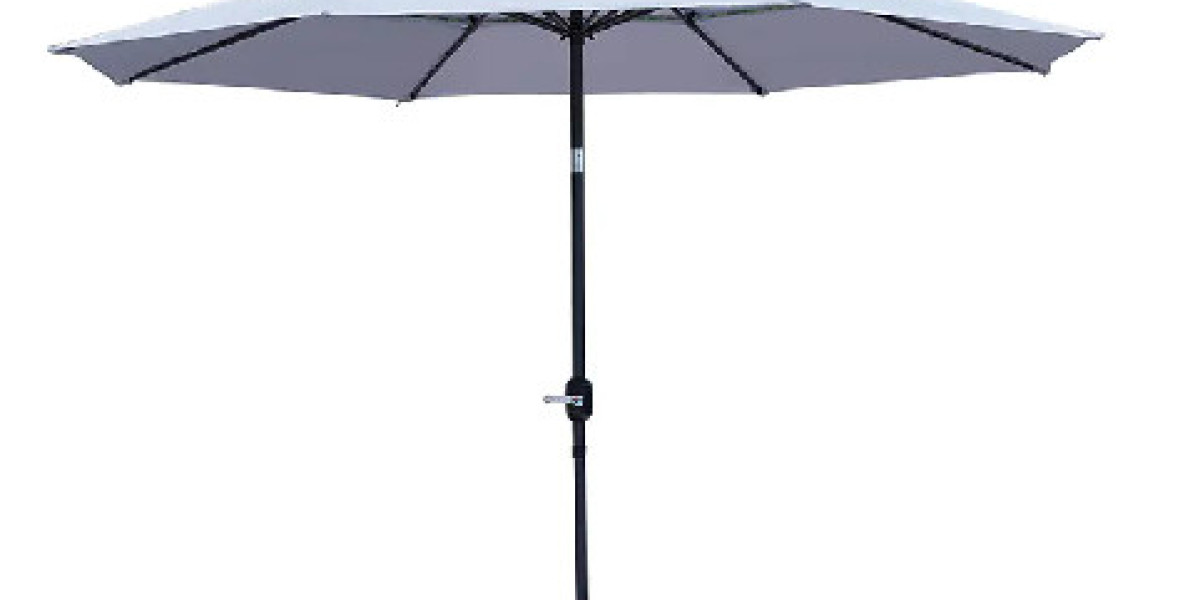

Outdoor parasols combine practical sun protection with decorative design, making them useful additions to gardens, patios, terraces, and hospitality environments. Inspired by traditional umbrella forms, Roman Parasol designs are often associated with classic styling, balanced canopy proportions, and an elegant appearance that complements outdoor furniture. For importers and distributors, understanding the relationship between traditional design elements and modern manufacturing requirements is important when selecting parasols for different customer groups and international markets.
The term Roman parasol can refer to an umbrella style influenced by classical decorative aesthetics rather than one universally standardized product structure. Depending on the product design, it may feature a rounded canopy, a central supporting pole, decorative fabric details, or a traditional visual profile. Some models emphasize ornamental appearance, while others prioritize everyday shading functionality. Buyers should therefore evaluate the actual construction, dimensions, materials, and operating system of each product instead of relying on the style name alone.
The canopy is a defining feature of a parasol. Its shape determines the visual character of the umbrella as well as the distribution of shade. Round canopies are frequently associated with traditional garden parasols, while square and other geometric forms may provide an alternative for contemporary outdoor arrangements. The selected canopy size should correspond to the furniture layout and available installation space. A small parasol may suit an individual seating area, whereas a wider canopy may be more appropriate for outdoor dining or shared relaxation spaces.
Fabric selection influences the product's appearance, maintenance requirements, and suitability for outdoor conditions. Polyester is commonly used in outdoor umbrella manufacturing because it offers practical handling characteristics and a range of color options. Other textile materials may be available according to product specifications. When evaluating fabric, buyers should consider weight, weave construction, stitching, color consistency, and any stated surface treatment. These details help determine whether the material is appropriate for the intended application and expected exposure.
Traditional styling can be expressed through canopy colors, decorative edges, fabric patterns, and the proportions of the supporting structure. Neutral colors may complement stone terraces, wooden furniture, and landscaped gardens, while brighter shades can create a more noticeable visual feature. For commercial projects, color coordination may be important because parasols often contribute to the overall atmosphere of a restaurant, resort, or outdoor event space. Buyers should consider the preferences of their target market when selecting colors and decorative details.
The frame provides the structural support needed to maintain the canopy's shape. Depending on the product, the supporting pole and ribs may be manufactured from steel, aluminum, or other suitable materials. Steel components can offer a substantial structure, while aluminum may be selected where reduced weight is desirable. The appropriate material depends on product dimensions, design requirements, and the intended operating environment. Connections between ribs, pole sections, and the opening mechanism should be examined during product evaluation.
Different parasol designs use different opening systems. A traditional manual push mechanism allows the user to raise the canopy through a relatively straightforward operation. Other products may use a sliding runner or crank-based system. Buyers should consider the intended user and frequency of operation when comparing these options. A residential garden parasol may be opened occasionally, while a parasol used in a restaurant or hotel may need to be operated repeatedly by staff throughout the day.
Installation requirements are equally important. A center-pole parasol may be positioned through a compatible table opening or installed in a separate base. The base must match the product design and provide appropriate support under the manufacturer's installation instructions. Buyers should confirm pole diameter, base compatibility, installation method, and whether the supporting base is included in the package. These details should be clarified before bulk purchasing to avoid unexpected additional costs or compatibility issues.
Residential applications include private gardens, balconies, patios, courtyards, and outdoor dining spaces. In these environments, parasols can provide a more comfortable setting for reading, relaxing, dining, and social activities. Their decorative appearance also allows them to function as part of the overall garden design. Homeowners may select a parasol according to the style of their outdoor furniture, surrounding architecture, and available floor space.
Commercial applications extend to cafes, restaurants, hotels, resorts, and landscaped leisure facilities. Traditional-looking parasols can complement hospitality environments where visual presentation is important. For example, a garden restaurant may use coordinated parasols to create a consistent outdoor dining atmosphere, while a hotel may select particular colors and canopy styles to match its landscaping and furniture. Commercial buyers should also consider cleaning requirements, ease of operation, component availability, and the practical demands of repeated use.
Environmental conditions should influence the selection process. Parasols are generally designed for suitable outdoor shading conditions rather than permanent protection against severe weather. Wind exposure can place stress on the canopy, ribs, pole, and base. Users should close and secure the product when wind conditions become unsuitable and follow the manufacturer's instructions. Outdoor installation should also allow sufficient clearance from nearby structures and pedestrian routes.
For importers, product evaluation should cover more than decorative appearance. Important purchasing factors include canopy measurements, fabric specifications, frame materials, opening mechanisms, product weight, packaging dimensions, and assembly requirements. Sample inspection can help verify fabric quality, stitching consistency, frame finishing, pole alignment, and smooth operation. When purchasing multiple units, buyers should also confirm color consistency and ensure that bulk production matches the approved sample.
Maintenance requirements should be communicated clearly to end users. Regular cleaning can help prevent accumulated dust and dirt from affecting the canopy's appearance. Fabric should be dried before folding and storing, while moving components and structural connections should be checked periodically. Proper storage during extended periods of non-use can help protect the product from unnecessary environmental exposure.
For buyers considering Roman Parasol styles, the most suitable choice depends on the balance between decorative appearance, canopy coverage, structural construction, and practical operating requirements. Importers and distributors should compare these factors against the preferences of their customers and the conditions of the intended sales market. More information about outdoor parasol and umbrella options is available at https://www.parasol-ht.com/product/outdoor-push-umbrella/