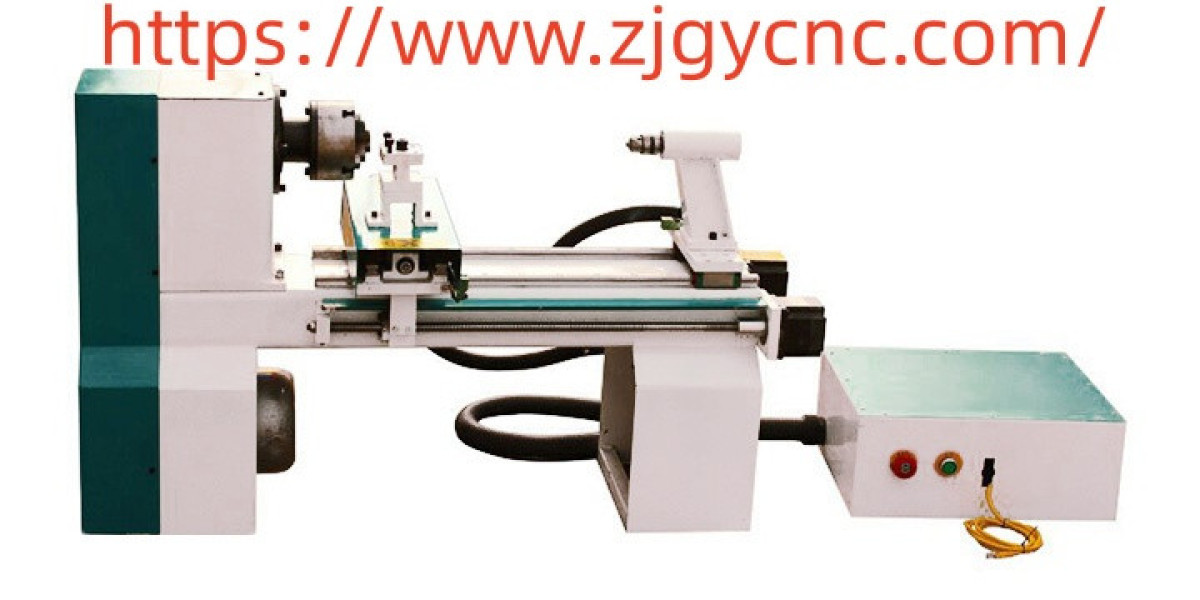

Mini CNC Lathe selection requires buyers to look beyond machine dimensions and purchase price. The right equipment should match the workpieces, machining operations, production quantities, and available workshop space. A compact machine may be suitable for small components, prototypes, repair work, or repeated part production, but its actual capability depends on its configuration. Before contacting a manufacturer, buyers should prepare a clear description of their production tasks and identify the specifications that matter to their business.
Start With Your Actual Workpiece Dimensions
The size of the parts you plan to manufacture should guide the initial equipment evaluation. Buyers should identify the maximum workpiece diameter, machining length, bar material dimensions, and required chuck or collet arrangement.
These measurements help determine whether the machine has enough working capacity for the intended jobs. It is also important to consider the shape of each component. Shafts, pins, sleeves, bushings, and threaded parts may require different holding methods and machining sequences.
Prepare several representative drawings rather than providing only one general product description. Include dimensional tolerances and indicate which surfaces require turning, facing, grooving, boring, or threading. This information gives the supplier a practical basis for reviewing the machine configuration.
List the Machining Operations You Need
Not every workshop carries out the same turning processes. Some businesses mainly produce simple cylindrical components, while others handle profiles with grooves, shoulders, internal holes, or threads.
Write down the operations required for your regular production jobs. Then ask whether the proposed machine can complete those processes with its available tool arrangement and travel range.
Buyers should also consider how often the production schedule changes. A workshop handling several part designs may need convenient program editing and straightforward setup procedures. A business focused on repeated batches may place greater emphasis on stable positioning and repeatable operating conditions.
Sharing sample programs or part drawings, when available, can help the manufacturer discuss the practical requirements before an order is confirmed.
Examine the Spindle and Workholding Arrangement
The spindle is closely connected with the machining range and the way raw material is held. Buyers should review spindle speed, motor power, spindle bore, chuck dimensions, and compatible bar sizes.
The appropriate combination depends on material type, component dimensions, cutting tools, and machining methods. For example, a project involving longer bar stock may require different feeding and holding arrangements from one producing individual short components.
Ask the supplier to explain the available spindle configuration and recommend a suitable workholding method. If your production includes several material types, provide their dimensions and machining characteristics so that the proposed setup can be evaluated against actual requirements.
Review the Guideway and Feed System
The machine structure affects how the cutting tool moves during operation. Buyers should examine the guideway type, ball screw arrangement, axis travel, and lubrication method.
Linear roller guides and ball screws are used in certain configurations to support controlled axis movement. Some models also include automatic lubrication for the guide rails and screws. These details should be reviewed according to the specific model rather than assumed to apply to every machine in a product range.
It is useful to ask how the feed system is maintained and which inspection points require regular attention. Understanding these arrangements before purchase helps production managers plan routine maintenance and operator responsibilities.
Compare the Control System With Operator Experience
The control system influences programming, setup, and daily operation. Buyers should check the available controller options and confirm whether the interface is familiar to their operators.
Important questions include how programs are entered, how tool offsets are adjusted, whether common machining cycles are supported, and what training is available. If the workshop already uses a particular control platform, explain this when requesting a quotation.
A suitable configuration should fit the team's experience and the complexity of the parts being produced. Buyers should also ask about electrical requirements, program backup, and technical assistance if operators need help during initial setup.
Check Installation Space and Operating Conditions
A compact machine still requires enough room for installation, operation, maintenance, and material handling. Measure the available floor area and consider the positions of electrical connections, chip collection, workpiece storage, and operator access.
Ask the supplier for the machine's overall dimensions, weight, foundation requirements, and recommended clearance. If the equipment will be installed alongside other machines, prepare a simple workshop layout to identify possible access or workflow issues.
Buyers should also check the site's power supply and environmental conditions. Confirming these details before shipment can help the installation team prepare the required utilities and avoid unnecessary adjustments.
Arrange a Clear Inspection and Acceptance Process
Before placing an order, agree on how the machine will be inspected and tested. Buyers can prepare sample components and define the dimensions, machining operations, and surface requirements that need to be checked.
Discuss which accessories are included, what documentation will be supplied, and whether test machining can be arranged before delivery. It is also useful to clarify packaging, shipment arrangements, installation guidance, warranty terms, and spare parts availability.
For purchasing teams comparing different configurations, a written specification sheet makes it easier to review proposals on the same basis. It can also reduce misunderstandings between the buyer, supplier, and installation team.For workshops planning to process small metal components, zjgycnc can discuss workpiece drawings, machining operations, and equipment configurations according to project requirements. Visit https://www.zjgycnc.com/ to review the company's machine range and contact the manufacturer about a suitable configuration for your production plans.