
Hair loss and thinning hair are common concerns for both men and women. Factors such as genetics, hormonal changes, stress, nutritional deficiencies, and certain medical conditions can affect hair growth and overall scalp health. As people explore different ways to manage these concerns, minimally invasive procedures have gained attention. One option that has become increasingly popular is hair mesotherapy.
Hair Mesotherapy Treatment in Islamabad attracts interest from individuals looking for a non-surgical approach to addressing hair thinning and scalp concerns. The treatment involves injecting selected substances into the scalp, with the aim of supporting the hair and scalp environment. Its growing popularity is linked to its minimally invasive nature, personalized treatment discussions, and appeal to people who want to explore alternatives to surgical procedures. However, understanding its benefits and limitations is essential before making a decision.
1. What Is Hair Mesotherapy Treatment?
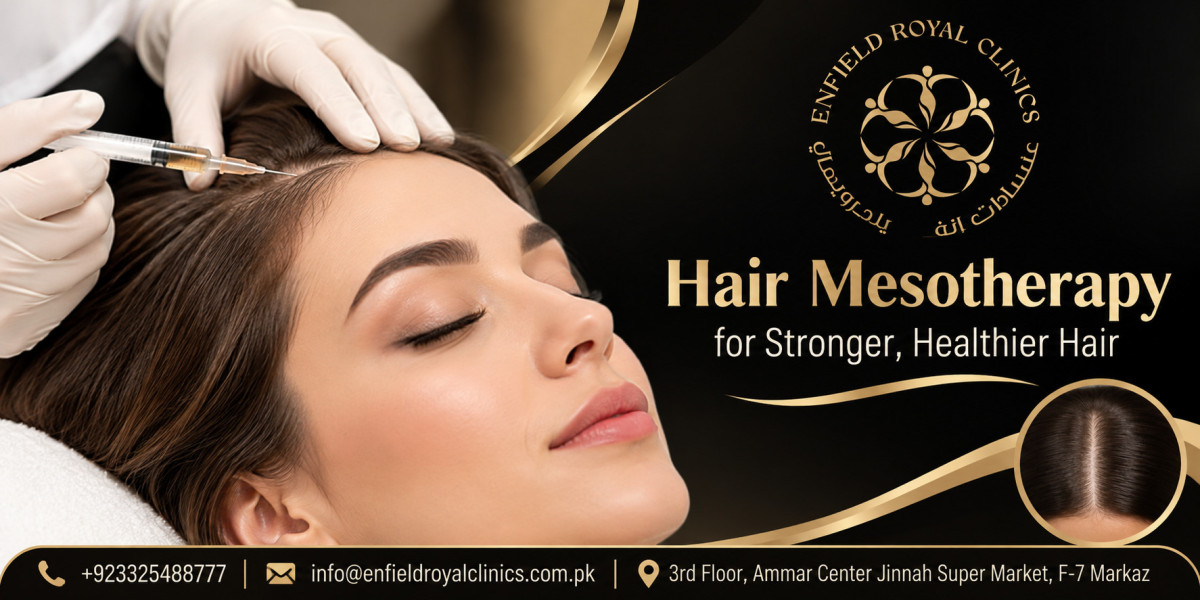
Hair mesotherapy is a minimally invasive procedure in which small injections are administered into the scalp. Depending on the treatment approach, the injected formulation may contain vitamins, minerals, amino acids, peptides, or other ingredients. The exact composition can vary because there is no single standardized formula used by every provider.
The treatment is generally intended to support scalp health and address concerns associated with hair thinning. Some people consider it when they notice increased shedding, reduced hair volume, or changes in hair quality.
Unlike a hair transplant, mesotherapy does not involve surgically moving hair follicles from one area of the scalp to another. It is also different from topical hair products because the ingredients are delivered through injections.
Although the procedure has attracted attention, scientific evidence supporting consistent hair regrowth or increased density remains limited. Results can vary considerably, and it should not be considered a guaranteed solution for hair loss.
2. Why Has Hair Mesotherapy Become So Popular?
One important reason behind the popularity of hair mesotherapy is that it offers a non-surgical option for people concerned about thinning hair. Many individuals prefer to explore less invasive approaches before considering procedures that involve surgery.
Several factors contribute to its growing interest:
Minimally invasive approach: The procedure uses small injections rather than surgical incisions.
Scalp-focused treatment: It is designed to address the scalp rather than simply changing the appearance of existing hair.
Personalized assessment: Treatment discussions can consider the individual's hair condition, scalp health, and possible causes of shedding.
No surgical hair relocation: It does not require removing follicles from a donor area.
Interest in early hair-loss management: Some people explore it when they first notice changes in hair density.
The treatment's popularity should not be confused with proven effectiveness. A professional assessment helps determine whether it is appropriate and whether another approach may offer better-supported results.
3. What Hair Concerns May Lead People to Consider It?
People explore Hair Mesotherapy Treatment in Islamabad for different reasons. Some notice gradual thinning around the crown, while others experience reduced volume across the scalp. Increased hair shedding after stress, illness, or lifestyle changes can also encourage people to seek advice.
Common concerns include:
Hair thinning: Hair may gradually become finer or less dense, making the scalp more visible.
Increased shedding: Some individuals notice more hair falling out during washing, brushing, or styling.
Changes in hair quality: Hair may feel weaker, look less full, or become more difficult to manage.
Early signs of pattern hair loss: People with hereditary thinning may seek professional advice when they first notice changes in their hairline or crown.
However, these concerns can have different causes. Genetic hair loss, thyroid disorders, iron deficiency, hormonal changes, scalp inflammation, and temporary shedding after illness may require different management strategies. Mesotherapy cannot be assumed to address every cause.
4. What Are the Potential Benefits of Hair Mesotherapy?
The possible benefits are another reason why people ask about this procedure. Its minimally invasive nature and scalp-focused approach may make it appealing to individuals who want to discuss additional treatment options.
Potential advantages often associated with the procedure include:
Non-surgical treatment: It does not require the surgical removal or transplantation of hair follicles.
Targeted application: Small injections are administered in selected areas of the scalp.
Limited interruption to daily activities: Many people can return to normal activities relatively soon, although temporary tenderness or redness may occur.
Individual treatment planning: A qualified professional can review scalp condition, medical history, and hair-loss patterns before discussing suitability.
An alternative to explore: It may be discussed alongside other hair-loss management options.
It is important to understand that these points describe the procedure and why people consider it, not guaranteed medical outcomes. Current evidence does not establish that mesotherapy reliably restores lost hair, strengthens follicles, or increases density for everyone. Individuals should ask about the ingredients being used and the evidence supporting the proposed treatment.
5. What Happens During a Hair Mesotherapy Session?
A typical treatment process begins with an assessment of the scalp and hair-loss history. The professional may ask when the shedding started, whether it is gradual or sudden, and whether the individual has experienced recent illness, stress, medication changes, or nutritional problems.
If mesotherapy is considered appropriate, the scalp is cleaned before small injections are administered in selected areas. The number of injections and the formulation depend on the treatment plan and the professional's approach.
Some people experience mild discomfort, temporary redness, swelling, or tenderness around the injection sites. The duration of a session can vary depending on the area being treated and the technique used.
After the procedure, individuals may receive instructions about scalp care, washing, exercise, and the use of hair products. Following these instructions can help reduce irritation and support proper aftercare.
There is no universally established number of sessions or schedule for hair mesotherapy. A suitable plan should be based on an honest discussion of the available evidence, possible risks, and individual expectations rather than a promise of a particular result.
6. Who Should Consider Hair Mesotherapy Treatment in Islamabad?
Hair mesotherapy may be discussed with adults who are concerned about hair thinning or shedding and want to understand non-surgical options. However, suitability depends on the cause of the hair problem, general health, scalp condition, and ingredients used in the injections.
People with sudden or unexplained hair loss should receive an appropriate medical assessment before choosing a cosmetic procedure. Active scalp infections, known allergies to proposed ingredients, bleeding disorders, or the use of blood-thinning medication may require additional precautions.
A professional may recommend blood tests or other investigations when symptoms suggest an underlying issue, such as iron deficiency or a thyroid condition. Treating the underlying cause is often more important than proceeding directly with injections.
For certain types of hereditary hair loss, treatments such as topical minoxidil and, where appropriate, prescription medication may have stronger supporting evidence. These options also require consideration of possible side effects and individual suitability.
Anyone considering Hair Mesotherapy Treatment in Islamabad should ask about the formulation, practitioner qualifications, infection-control practices, realistic expectations, and alternative treatments before proceeding.
For more information visit Enfield royal clinic in islamabad
7. FAQs About Hair Mesotherapy Treatment
1. Is hair mesotherapy a popular treatment for hair loss?
Yes, it has attracted interest because it is minimally invasive and does not involve hair-transplant surgery. However, popularity does not establish effectiveness, and scientific evidence for consistent hair regrowth remains limited.
2. Can hair mesotherapy increase hair density?
Some people explore it with the hope of improving hair density, but reliable evidence of consistent density improvement is not yet established. Results should not be guaranteed.
3. Is hair mesotherapy suitable for both men and women?
It may be discussed with adults of different genders, but suitability depends on the cause of hair loss, medical history, scalp condition, and the ingredients used.
4. Does hair mesotherapy involve surgery?
No. It is a minimally invasive procedure involving small injections into selected areas of the scalp. It does not involve surgically transplanting hair follicles.
5. Are there any side effects of hair mesotherapy?
Possible side effects include temporary redness, swelling, tenderness, bruising, or irritation. Infection and allergic reactions are less common but important risks. Worsening pain, spreading redness, fever, or discharge should be assessed promptly.
6. Does hair mesotherapy provide permanent results?
Permanent results cannot be promised. Its long-term effectiveness is not firmly established, and ongoing hair loss may continue if the underlying cause is not addressed.
Conclusion
Hair mesotherapy has become popular because it offers a minimally invasive, non-surgical option that attracts people concerned about thinning hair and increased shedding. Its scalp-focused approach and personalized treatment discussions make it an option that some individuals want to explore.
However, its limitations deserve equal attention. Scientific evidence supporting reliable hair regrowth and increased density remains limited, and the treatment cannot restore follicles that have been permanently lost. A proper assessment of the underlying cause of hair loss is essential before choosing any procedure.
People considering Hair Mesotherapy Treatment in Islamabad should discuss its potential risks, available evidence, and alternative treatments with a qualified professional. An informed decision based on realistic expectations can help individuals choose an approach that better matches their hair concerns and overall health.