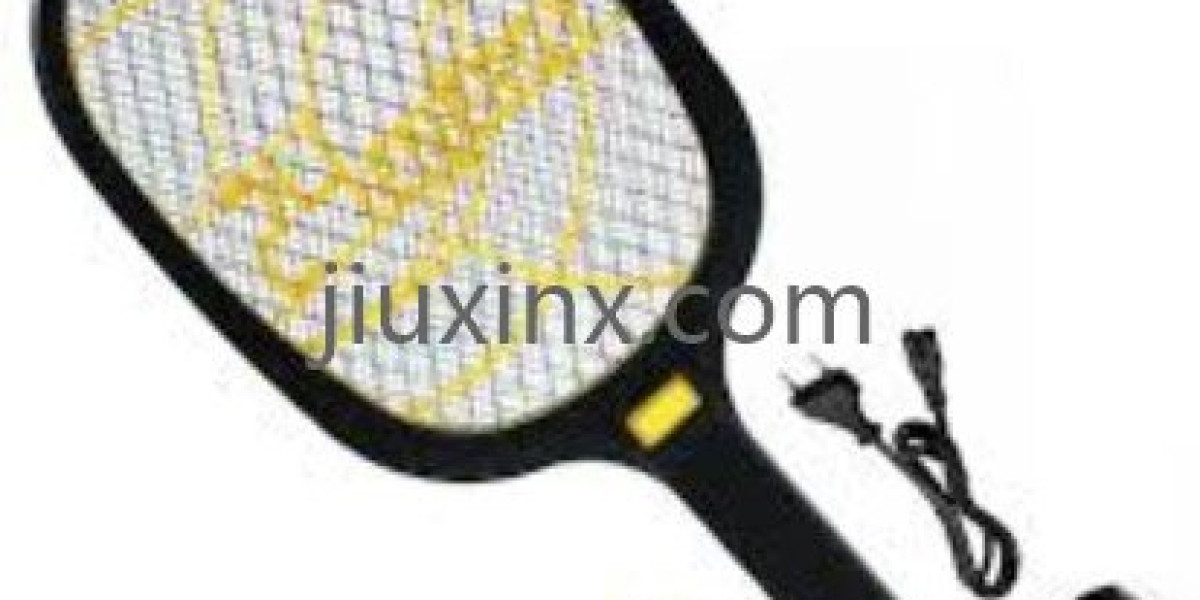

A Rechargeable Electric Mosquito Swatter offers a convenient approach to dealing with flying insects without requiring users to replace disposable batteries after every period of use. Its built-in rechargeable power arrangement is designed to support repeated operation, making it a practical option for households that regularly encounter mosquitoes during warmer months. When comparing different products, buyers should consider more than the charging feature. Construction, handling, operating instructions, maintenance, and overall suitability for the intended environment all contribute to the user experience.
The operating principle of an electric mosquito swatter is based on an energized mesh. When a mosquito or another flying insect comes into contact with the active surface, an electrical discharge is intended to eliminate it. This direct-contact method allows users to respond to individual insects in rooms, kitchens, corridors, and other accessible spaces. It is different from a continuous insect-control system and does not prevent new mosquitoes from entering a room. Removing standing water and using suitable window or door screens remain important preventive measures.
The rechargeable power system is one of the main features to evaluate. Buyers should check how the battery is charged, what type of charging connection is supplied, and whether the operating instructions specify particular charging conditions. Charging time and operating duration vary according to the battery and product design. It is therefore better to consult the specifications of the exact model than to assume that all rechargeable swatters offer the same performance. The included accessories should also be confirmed before purchasing.
A rechargeable design can reduce dependence on disposable batteries, but it still requires responsible charging habits. Users should follow the manufacturer's instructions and use only compatible charging equipment. The product should not be charged if its housing, cable, or connector appears damaged. Avoid exposing the device to water or excessive heat during charging and storage. When the battery does not behave as expected, users should consult the product guidance instead of attempting unauthorized repairs.
The frame and mesh are central to the product's practical function. A stable frame helps maintain the shape of the active surface during ordinary handling, while secure mesh assembly supports consistent product construction. Protective outer layers may help reduce accidental contact with the energized mesh, but they do not eliminate the need for careful operation. Buyers should examine the frame for loose joints, visible damage, or uneven assembly when evaluating a sample.
Handle comfort is another factor that can affect daily use. A grip that fits naturally in the hand makes it easier to guide the swatter toward flying insects. Button placement should be clear, and the overall weight should be manageable for the intended users. A balanced design can help reduce unnecessary wrist movement when reaching different areas of a room. Buyers should consider the dimensions of the frame and handle together because a compact body does not automatically guarantee convenient handling.
Storage arrangements also deserve attention. The product should be kept in a dry place where the mesh cannot be crushed or bent by other household objects. If a model includes a hanging feature or protective cover, users should follow the corresponding storage instructions. The device should remain out of reach of children and should not be treated as a toy. Keeping it in a designated location can make it easier to find while reducing the risk of accidental operation.
Cleaning should only be performed after the product has been switched off and made safe to handle according to the manufacturer's instructions. Loose insect residue can usually be removed with an appropriate dry cleaning method, provided that the product guidance permits it. Users should avoid sharp tools that could damage the mesh. Water, cleaning sprays, and other liquids should not be applied unless the manufacturer specifically states that they are suitable for the device.
For distributors and importers, rechargeable products involve several purchasing details that should be confirmed before an order is placed. These include battery information, charging accessories, product dimensions, packaging contents, operating instructions, and relevant labeling requirements. A sample can help buyers examine the frame, grip, charging connection, and general finish. If the product is intended for a market with specific electrical or battery-related requirements, buyers should verify the applicable documentation rather than relying on unsupported supplier claims.
Retailers should also explain the product's actual function clearly. Customers may confuse direct-contact electric swatters with automatic mosquito traps or devices that attract insects using light. Product descriptions should state how the model operates and identify the correct power and charging arrangements. Accurate information helps customers select a product that matches their expectations and reduces unnecessary after-sales questions.
A Rechargeable Electric Mosquito Swatter is best evaluated as a complete household product rather than simply as a racket with a rechargeable battery. Buyers should compare the power system, construction, grip, mesh protection, charging guidance, and maintenance requirements together. These details provide a more reliable basis for product selection and wholesale evaluation. For additional product and company information, visit https://www.jiuxinx.com/ and contact the supplier to confirm the specifications of available models.