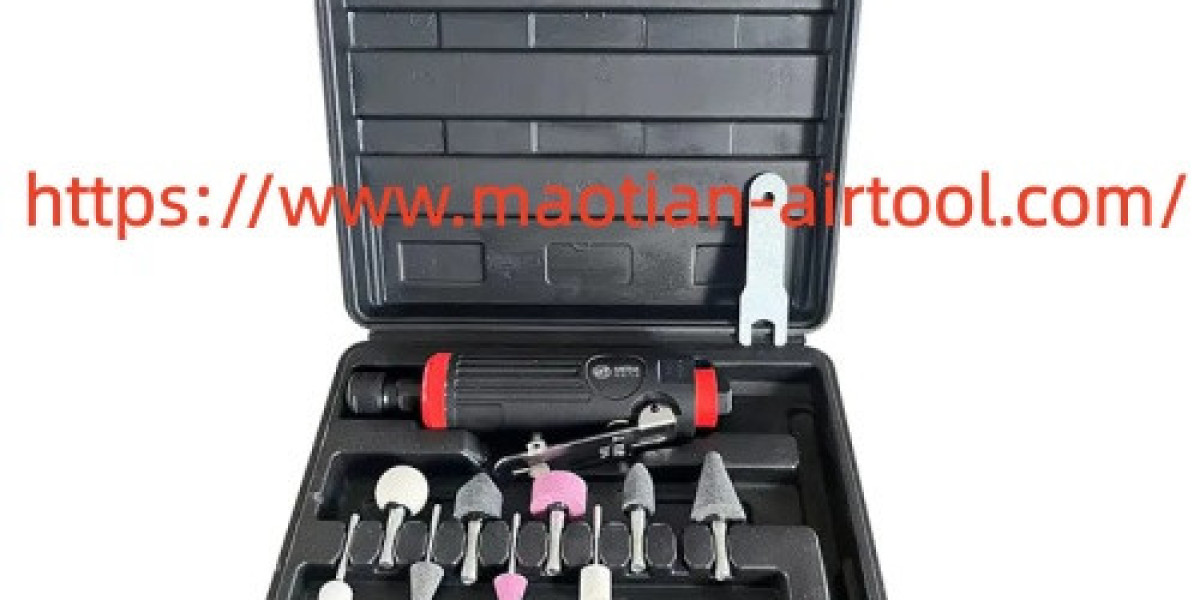

Straight Air Die Grinder equipment has an important place in metalworking environments where surface preparation, edge treatment, and detailed finishing are part of everyday operations. In fabrication workshops, technicians often encounter components with different shapes, textures, and finishing requirements. Some areas need careful material removal, while others require polishing or cleaning before assembly. Selecting suitable pneumatic equipment involves more than checking its basic function. Buyers should also consider accessibility, housing construction, handling comfort, and compatibility with the intended working process.
One interesting aspect of this equipment category is its straight body structure. Unlike angled designs, an inline configuration places the motor and working head along a common axis. This arrangement can be useful when technicians need to approach certain surfaces directly or maintain a familiar working position. The suitability of this structure depends on the shape of the workpiece, the available space, and the direction from which the operator approaches the material.
Material selection is another important purchasing consideration. The housing protects internal mechanical components and contributes to the overall feel of the equipment. Aluminum alloy is commonly used in pneumatic tool manufacturing because it provides structural support while keeping the body manageable for regular handling. Surface finishing also matters, particularly in workshops where equipment is exposed to dust, oil, and frequent contact. Buyers can examine the housing finish, assembly joints, and overall construction when comparing products.
Internal engineering deserves equal attention. Compressed air enters through the connection and drives the internal motor assembly, creating rotational movement at the output end. The arrangement of internal components affects how the equipment responds during operation. Buyers should consider motor construction, air passage design, and maintenance accessibility when discussing product specifications with manufacturers. These details provide useful insight into how a product is designed for its intended working environment.
The choice of accessories also influences practical use. Different abrasive attachments and mounted accessories serve different finishing purposes. Some are intended for removing burrs, while others are used for polishing, cleaning, or preparing surfaces before coating. The material being processed should guide accessory selection. For example, metal components with delicate finished surfaces may require a different approach from rough cast parts that need material removal. Operators should follow the attachment manufacturer's recommendations and ensure that each accessory is suitable for the equipment.
Handling comfort is particularly relevant during detailed work. Technicians often need to maintain a stable grip while guiding the working end along curved edges, narrow sections, or small mechanical components. Body balance, grip texture, trigger positioning, and control accessibility can influence the working experience. A design that allows natural hand positioning may help operators maintain a consistent approach during repetitive finishing tasks.
Noise and vibration are also worth considering when planning a workshop environment. Pneumatic equipment can produce operational noise and vibration depending on its internal construction, air supply, accessories, and working conditions. Appropriate personal protective equipment and suitable workplace arrangements should form part of routine operating procedures. Buyers can ask suppliers about product characteristics and consult operating guidance before introducing new equipment into an existing production area.
Different industries use this equipment for different purposes. Automotive repair workshops may need it for cleaning component surfaces, preparing edges, or handling detailed finishing work. Metal fabrication facilities may use it during deburring and surface preparation. Machinery maintenance teams may require compact equipment for working around individual components where larger machinery is difficult to position. Understanding the actual application helps purchasing managers choose an appropriate configuration instead of relying on general product descriptions.
Maintenance is another factor that should influence purchasing decisions. Pneumatic equipment needs suitable air quality, proper lubrication where required, and regular inspection of its connection points. Dust and metal particles should be cleaned away according to manufacturer instructions. Accessories should also be inspected before use to identify visible damage or wear. A clear maintenance routine helps workshops organize equipment care and manage daily production activities.
When evaluating a manufacturer, buyers can also examine product variety, communication, manufacturing experience, and after sales support. Maotian develops and manufactures pneumatic and electric tools for industrial and workshop applications. Its product range provides distributors, metalworking businesses, and professional buyers with equipment options to consider according to their operating requirements. Clear communication about applications, accessories, and maintenance can help both suppliers and customers establish suitable purchasing arrangements.
Choosing suitable equipment is ultimately about matching product construction with the work being performed. Body structure, material selection, internal engineering, accessory compatibility, and operator comfort all deserve consideration before a purchasing decision is made. Businesses looking for pneumatic equipment and related workshop solutions can visit https://www.maotian-airtool.com/ to review Maotian product information and identify options relevant to metal fabrication, component finishing, and industrial maintenance.






