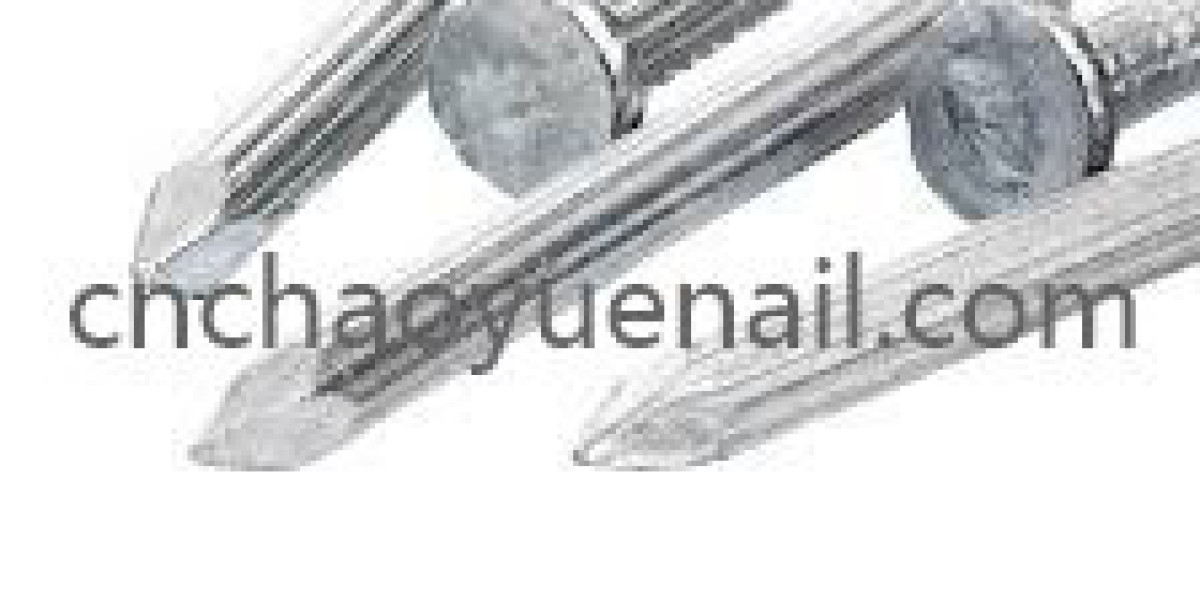

Precision fastening is essential in woodworking operations where appearance, material protection, and assembly accuracy are equally important. F Brad Nails are a type of thin finishing fastener commonly used with compatible pneumatic nailers for attaching trim, decorative components, and lightweight wooden parts. Their relatively small cross-section helps reduce the visible impact of fastening, making them useful in applications where a clean surface is preferred and large nail heads would be undesirable.
A brad nail is generally manufactured from metal wire and formed into a straight, narrow fastening component. Its main features include a slender shank, a pointed end, and a small head or head configuration designed for compatibility with a specific nailer. The shank provides the penetration and holding mechanism, while the point helps guide the nail into the material. Depending on the product series, dimensions and head geometry may vary, so buyers should always check the specifications required by their equipment.
The letter designation in a nail series generally identifies a particular product profile or compatibility category rather than indicating that all brad nails share identical dimensions. Nail length, shank thickness, head design, and strip arrangement can differ between products. These characteristics influence how the fastener enters the workpiece, how much of it remains visible, and how securely it holds the attached component. Confirming the exact nail series is therefore essential when purchasing replacement fasteners.
Material selection is an important part of manufacturing. Steel is commonly used because it offers a suitable combination of strength, formability, and manufacturing practicality. Wire preparation usually involves drawing the metal to a specified diameter, straightening it, and cutting it into individual lengths. The head and point are then formed through specialized processes. Depending on the intended application, surface treatments or coatings may be used to influence appearance, friction, or corrosion resistance. Buyers should confirm the actual material and finish rather than assuming that every finishing nail is suitable for humid or outdoor environments.
Dimensional accuracy has a direct influence on fastening performance. Variations in shank diameter can affect penetration resistance, while inconsistent nail length may create differences in installation depth. Point geometry also matters because the fastener must enter the material without excessive resistance or unnecessary splitting. The head needs to be compatible with the nailer's driving mechanism so that each nail feeds and installs correctly. Manufacturing inspections can include dimensional measurement, visual checks, and examination of strip arrangement.
Furniture production is one of the common application areas. During the assembly of cabinets, drawers, wooden frames, and decorative furniture components, finishing fasteners can be used to attach moldings, thin panels, and selected trim pieces. Their narrow profile is useful where the appearance of the finished surface is important. However, they should be selected according to the material thickness and expected mechanical load. For structural joints that experience substantial stress, screws, larger nails, adhesives, or other connection methods may be more appropriate.
Cabinetmaking and interior decoration also require precise fastening. Decorative moldings, door frames, baseboards, and selected wooden finishing elements often need to be attached with limited visible damage. A compatible pneumatic nailer can support efficient installation across repeated components, especially in professional workshops and manufacturing facilities. Operators should position the tool correctly and adjust its driving depth according to the material and finishing requirements.
In furniture repair and woodworking workshops, finishing fasteners are useful for small assembly tasks and selected replacement operations. They can help attach decorative strips, lightweight wooden components, and backing materials. Their suitability depends on the condition of the substrate, the location of the fastening point, and the required holding strength. When working near narrow edges, pretesting the fastening method can help reduce splitting and surface damage.
Tool compatibility is one of the most important purchasing considerations. Nailers are designed for specific nail series, dimensions, and strip configurations. Products that look similar may not feed properly in the same equipment. Buyers should confirm the required nail designation, shank diameter, length range, and loading arrangement against the tool manufacturer's instructions. Testing samples before ordering in large quantities is a practical way to reduce operational risk.
For international distributors and professional woodworking suppliers, product identification and specification management are important. Different customers may use different nailer models and require multiple lengths for separate production tasks. Clear product labeling, consistent packaging, and reliable dimensional specifications help distributors manage inventory and reduce incorrect orders. Commercial buyers should also review material options, order quantities, packaging protection, and delivery arrangements when evaluating suppliers.
Storage conditions should be controlled to preserve the quality of metal fasteners. Products should be kept dry and protected from contaminants that could affect their surface condition or feeding performance. Operators should inspect nailers regularly, remove accumulated debris, and follow the equipment manufacturer's maintenance instructions. Appropriate eye protection and safe handling procedures are also necessary when using pneumatic fastening equipment.
When selecting F Brad Nails for commercial woodworking or furniture production, buyers should evaluate the required dimensions, material compatibility, finishing expectations, and nailer specifications together. Matching these factors helps support accurate installation and consistent production results. Businesses seeking additional information about fastening products and available sourcing options can visit https://www.cnchaoyuenail.com/product.