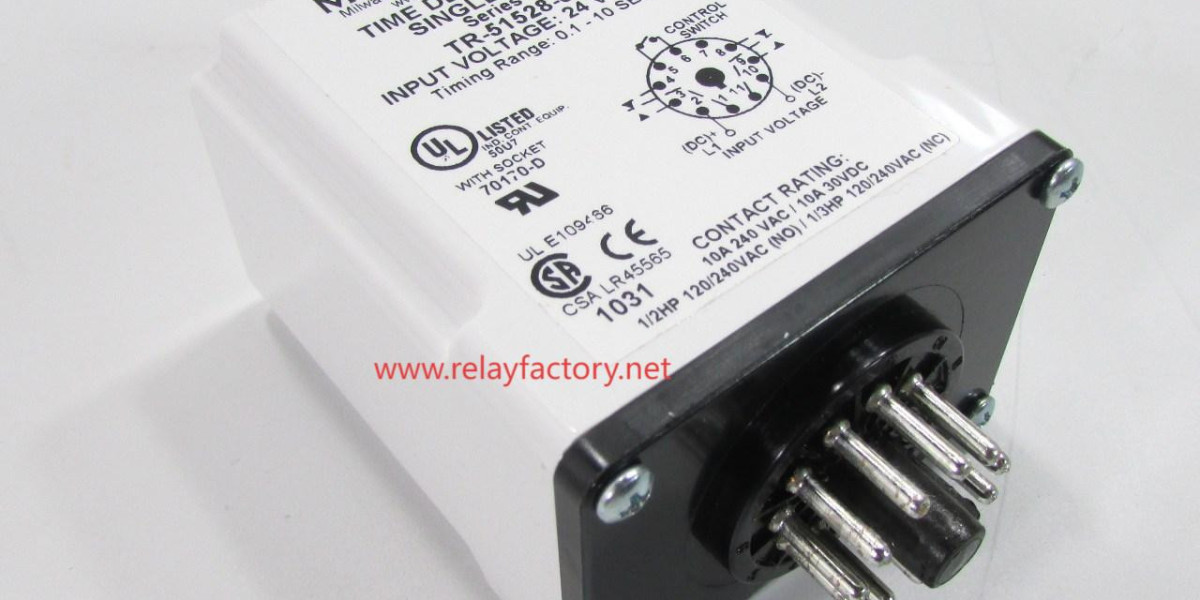

Multifunction Time Relay Manufacturer evaluation requires buyers to examine how a supplier develops product configurations, verifies operating functions, and manages customer specifications. A device with several selectable modes may serve different control applications, but its suitability depends on electrical compatibility, operating sequences, installation conditions, and equipment requirements. Before selecting a production partner, buyers should review several practical areas to determine whether the proposed product can meet their project objectives.
Identify the Required Control Operations
Begin by describing what the equipment needs to accomplish. Different applications may require delayed activation, delayed deactivation, interval operation, cyclic switching, or pulse-related functions. Buyers should ask which modes are available within a single model and how users select between them.
A function chart can help engineers understand the relationship between the supply input, trigger signal, output contacts, and operating sequence. This makes it easier to compare the product configuration with the actual control logic.
For example, ventilation equipment may require a delayed start, while a pump system may need repeated operation at defined intervals. Industrial machinery may involve several stages that require coordinated switching. Providing these examples gives the supplier a practical understanding of the intended application.
Confirm Electrical Ratings and Contact Arrangements
Electrical specifications should be checked before a model is approved. Buyers should provide the required supply voltage, AC or DC input type, operating frequency where applicable, and relevant circuit information.
Output contacts also need careful consideration. Confirm whether the application requires normally open, normally closed, or changeover contacts. The rated switching capacity should correspond with the controlled load and its operating conditions.
Request a datasheet and wiring diagram for the proposed configuration. Engineers can use these documents to review terminal assignments, connection methods, and compatibility with existing control equipment.
For orders involving several versions, prepare a comparison sheet. Record the voltage, contact arrangement, selected function, and other differences for each item. This reduces confusion during quotation approval and production preparation.
Examine Adjustment Methods and Accuracy
The adjustment interface affects how easily technicians can configure and maintain a device. Buyers should ask whether settings are made through rotary switches, selector controls, digital displays, or another arrangement.
The available adjustment range should cover the application's actual requirements. It is also useful to check scale markings, setting increments, and applicable accuracy specifications. Clear product documentation helps installers select the required operating value.
Ask how functional performance is checked during inspection. Depending on the model, verification may involve selected operating modes, switching behavior, and specified operating ranges. Buyers should request relevant technical information instead of assuming that every model follows an identical procedure.
Review Housing Design and Installation Compatibility
A suitable electrical component must fit the intended control cabinet and installation environment. Confirm the overall dimensions, mounting arrangement, terminal positions, wiring access, and required clearance.
DIN rail mounting is used in many industrial control panels, but buyers should still confirm the applicable rail arrangement and installation instructions. If cabinet space is limited, provide drawings or photographs so the engineering team can assess the available area.
Environmental conditions should also be discussed. Temperature, humidity, vibration, dust, and ventilation may affect component selection and installation recommendations. Explain any unusual operating conditions before confirming the product configuration.
Ask About Custom Engineering and OEM Services
Some equipment projects require specifications that differ from standard catalogue models. Buyers may need a particular supply voltage, contact arrangement, housing label, terminal layout, or function combination.
Before requesting customization, prepare a written specification. Include drawings, reference samples, expected quantities, packaging details, and identification requirements. This gives the supplier a consistent document for technical evaluation and quotation preparation.
Ask which changes can be made within an existing design and which require additional engineering work. The supplier should also clarify sample availability, development arrangements, and approval procedures. These discussions help buyers understand the scope of a custom project before committing to production.
Establish Sample Testing and Acceptance Criteria
A sample evaluation allows buyers to check whether the selected configuration matches the intended control circuit. Before requesting a sample, agree on the functions to be tested, electrical specifications, and acceptance criteria.
Inspection may cover input voltage, switching operation, contact condition, terminal connections, product appearance, and label information. The exact checks should be based on the approved specifications and product design.
If engineers identify an issue during testing, record the findings and discuss the required adjustment with the supplier. Revised specifications should be confirmed in writing before regular production begins. This process helps prevent misunderstandings between sample approval and batch manufacturing.
Clarify Production Coordination and Ongoing Support
Purchasing teams should review commercial arrangements alongside the technical proposal. Important details include minimum order quantity, production schedule, payment conditions, packaging, shipping arrangements, and documents supplied with the goods.
For repeat orders, ask how approved specifications and model records will be maintained. Clear identification is useful when distributors or equipment manufacturers purchase several configurations for different projects.
It is also worth discussing how technical questions will be handled after delivery. Buyers may need assistance with wiring information, product identification, replacement arrangements, or future specification changes. A defined communication process can make ongoing cooperation easier to manage.A careful supplier evaluation should connect product functions with actual equipment requirements rather than relying on catalogue descriptions alone. relayfactory offers different control products and supports discussions about specifications, customization, and project arrangements. Buyers can review the available product range and contact the manufacturing team through https://www.relayfactory.net/ to discuss configurations for their industrial applications.







