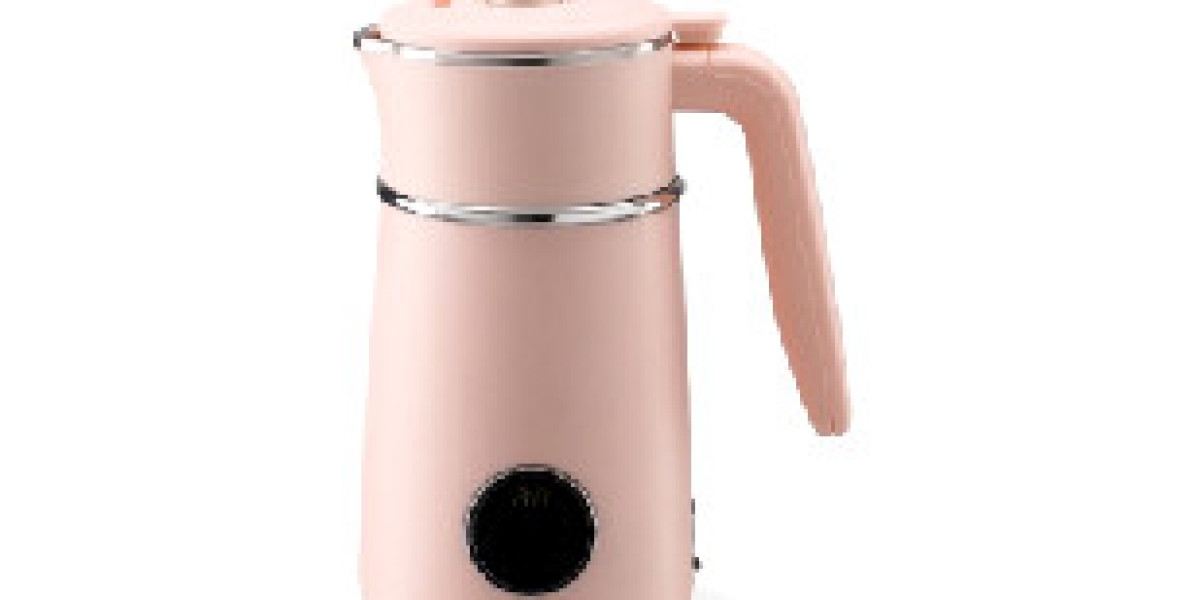

Portable beverage preparation has become increasingly relevant as consumers look for convenient ways to prepare fresh drinks outside traditional kitchen environments. Office workers, travelers, fitness enthusiasts, students, and people with active daily schedules often prefer compact equipment that can be carried easily and operated without a conventional electrical outlet. A Usb-Charging To Go Blender addresses this demand by combining a compact blending structure with a rechargeable power system, allowing users to prepare selected beverages in different locations.
The basic function of a portable blender is similar to that of a conventional countertop blender. A motor drives rotating blades that cut and circulate ingredients inside a blending container. However, portable models generally prioritize compact dimensions, manageable weight, battery operation, and simplified controls. Their design must balance blending capability with energy consumption because the available battery capacity is limited by the size and weight of the appliance.
The main components typically include a motor unit, blade assembly, blending container, rechargeable battery, electronic control system, and charging interface. Depending on the product design, the container may also function as a drinking vessel, reducing the need to transfer the prepared beverage into another cup. The lid and sealing structure are important because they help prevent leakage during transportation. Blade positioning and container geometry influence ingredient movement and the consistency of the finished drink.
USB charging provides flexibility when replenishing the battery. Depending on the model and its charging specifications, users may connect the appliance to a suitable USB power adapter, computer port, or portable power bank. The charging interface should be compatible with the specified power input, and users should follow the manufacturer's recommendations regarding adapters and charging conditions. Buyers should not assume that all USB-powered blenders support the same charging standards or power requirements.
Battery performance is a central consideration in product development. Battery capacity, voltage, motor load, blending duration, and charging efficiency all affect the practical operating experience. A larger battery may provide more available energy, but it can also increase product weight and dimensions. Manufacturers therefore need to select an appropriate balance based on the intended use of the blender. Charging protection, temperature management, and electronic control functions are also important elements of a reliable rechargeable design.
Blade performance requires careful engineering. Portable blenders are generally intended for specific food preparation tasks rather than every application supported by larger household machines. Soft fruits, prepared vegetables, yogurt, and suitable liquid ingredients are common choices for smoothies and blended drinks. Hard ingredients and frozen items place greater demands on the motor and blade assembly. Users should follow the product instructions regarding ingredient preparation, liquid quantities, and permitted food types to avoid overloading the appliance.
The container material and construction influence convenience, durability, and product positioning. Transparent containers allow users to observe the blending process and check the consistency of ingredients. Food-contact materials should be selected according to the relevant requirements of the intended sales market. Lid design, sealing rings, drinking openings, and attachment connections also deserve attention because they affect daily handling and cleaning. A compact appliance should remain easy to maintain without making its internal electrical components vulnerable to water exposure.
The applications of portable blenders extend beyond home kitchens. At an office, users may prepare fruit smoothies or protein drinks during breaks. Travelers may use suitable models when accommodation provides access to a charging source. Outdoor users may value compact equipment for preparing beverages during suitable camping or recreational activities. Fitness consumers may also appreciate the ability to prepare individual drinks according to their routines. These applications create opportunities for retailers selling travel accessories, personal wellness products, and small kitchen appliances.
For international buyers, product selection should be based on the actual expectations of the target customer group. Important factors include container capacity, battery specifications, USB charging compatibility, blade configuration, operating controls, product weight, sealing performance, and cleaning arrangements. Packaging should protect the blade assembly and charging components during transportation. Clear instructions should explain charging procedures, ingredient limitations, operating steps, and cleaning precautions.
Manufacturers should evaluate portable blenders through coordinated mechanical and electrical testing. Important inspection areas include motor operation, blade rotation, charging response, battery protection, lid sealing, and the fit of detachable components. Repeated operating cycles can help identify potential weaknesses in buttons, charging interfaces, and mechanical connections. Product development should also consider practical user behavior, including the way consumers fill, carry, operate, and clean the appliance.
Private-label buyers may also evaluate opportunities to customize product appearance, colors, packaging, and branding according to the manufacturer's available capabilities. Before mass production, reviewing product samples and confirming technical specifications can help reduce differences between the approved design and delivered goods. Buyers should also clarify charging accessories, spare parts, packaging contents, and documentation requirements.
The portable appliance market continues to develop alongside changing consumer preferences for flexible food and beverage preparation. Businesses considering a Usb-Charging To Go Blender should compare not only appearance and portability but also battery management, blending suitability, material quality, and ease of maintenance. BLMEAS offers portable blending products alongside other small kitchen appliances, providing international buyers with additional product options through https://www.blmeas.com/.