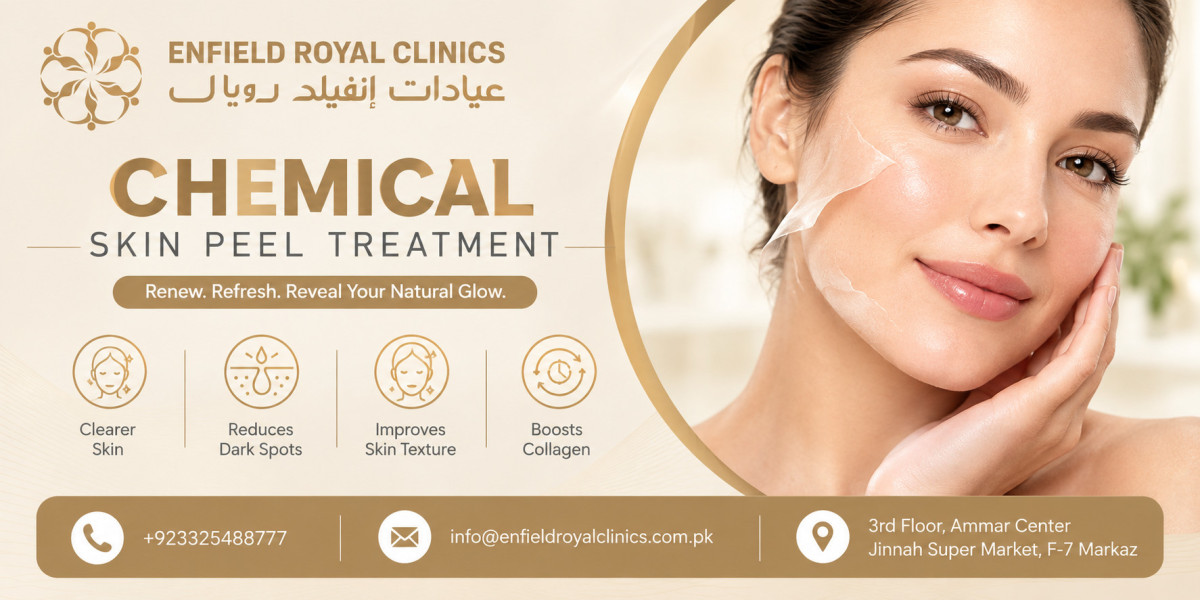

Chemical peels are widely used to improve skin texture, reduce pigmentation, manage acne marks, and create a brighter-looking complexion. The treatment works by applying a carefully selected chemical solution to exfoliate damaged outer skin cells and encourage natural skin renewal. Although chemical peels can offer noticeable improvements, getting them too frequently may irritate the skin and affect its natural protective barrier.
One of the most common questions patients ask before choosing Chemical peel treatment in islamabad is how often they should schedule their sessions. The answer depends on several factors, including the type of peel, skin sensitivity, treatment goals, and recovery time.
Some patients may benefit from treatments every few weeks, while others need longer intervals between sessions. A dermatologist can assess the skin and recommend a schedule that provides gradual improvement without unnecessary irritation.
1. Why Does the Frequency of Chemical Peel Treatment Matter?
Chemical peels work by removing some of the outer skin cells and encouraging the skin to renew itself. After treatment, the skin needs sufficient time to recover and rebuild its protective barrier.
Scheduling treatments too close together can interfere with this healing process. Instead of improving the complexion, excessive exfoliation may cause dryness, redness, irritation, and increased sensitivity.
The correct treatment frequency helps patients achieve their skincare goals while reducing the risk of complications.
Several factors influence how often someone should receive a chemical peel:
Skin type: Sensitive skin may require longer recovery intervals than less reactive skin.
Treatment depth: Superficial peels generally allow shorter intervals than medium-depth procedures.
Skin concerns: Acne, pigmentation, fine lines, and uneven texture may require different treatment schedules.
Healing response: Some individuals recover quickly, while others experience prolonged redness or peeling.
Previous treatments: Recent cosmetic procedures or strong skincare products may affect the timing of another peel.
For people considering Chemical peel treatment in islamabad, a personalised schedule is more appropriate than following a fixed routine based on someone else's results.
2. How Often Should Someone Get Different Types of Chemical Peels?
Chemical peels are available in different strengths and depths. Each type affects the skin differently, so the recommended interval between sessions also varies.
Superficial chemical peels
Superficial peels affect the outermost layer of the skin. They commonly use ingredients such as glycolic acid, lactic acid, or salicylic acid.
These treatments are often used to improve mild pigmentation, dullness, uneven texture, and certain acne concerns. Depending on the formulation and skin response, sessions may be scheduled approximately every two to four weeks.
Some patients may need longer intervals if their skin becomes dry or sensitive. The dermatologist should confirm when the next session is appropriate.
Medium-depth chemical peels
Medium-depth peels penetrate further into the skin and may be used for selected pigmentation concerns, fine lines, and more noticeable texture problems.
They usually involve more visible peeling and a longer recovery period. Patients may need several weeks or longer before another treatment is considered. In many cases, a repeat session is not necessary until the dermatologist has evaluated the healing and results.
Deep chemical peels
Deep peels reach deeper skin layers and involve a more intensive healing process. They are not routine treatments for frequent exfoliation and generally require substantial recovery time.
A deep peel may be performed as a one-time procedure in carefully selected patients. Any further treatment must be decided by an experienced dermatologist because of the increased risk of complications.
3. How Does Skin Type Affect Chemical Peel Frequency?
Skin type plays an important role in deciding how frequently a patient can receive chemical peels. Two people undergoing the same treatment may experience different recovery times because their skin responds differently.
Oily and acne-prone skin
People with oily or acne-prone skin may benefit from selected superficial peels, particularly those containing salicylic acid. These treatments can help remove accumulated dead cells and improve the appearance of clogged pores.
However, frequent exfoliation can still irritate acne-prone skin. The treatment schedule should account for active breakouts and the products being used at home.
Dry skin
Dry skin may require a gentler approach because chemical exfoliation can temporarily increase dryness and tightness. A dermatologist may recommend longer intervals and additional moisturising care.
Sensitive skin
Sensitive skin can react more strongly to chemical ingredients. Redness, burning, and irritation may occur if the peel is too strong or repeated too soon. Gentle formulations and careful monitoring are important.
Darker skin tones
People with darker skin tones need particular attention when choosing peel strength and treatment frequency. Inflammation can sometimes trigger post-inflammatory hyperpigmentation, causing new dark marks. A dermatologist may recommend a conservative approach and longer intervals to reduce this risk.
4. How Many Sessions Are Needed for Different Skin Concerns?
The number of sessions depends on the patient's goals and the condition being treated. Some concerns respond gradually to a series of superficial peels, while others may require a combination of treatments.
Acne and clogged pores: Several superficial sessions may help improve skin congestion and certain acne-related concerns.
Post-acne marks: A course of suitable peels may gradually reduce superficial dark marks.
Uneven skin tone: Multiple treatments may help improve dullness and superficial discolouration.
Sun damage: Selected patients may benefit from a series of treatments depending on the extent of the damage.
Fine lines: Superficial peels may provide modest improvements, while deeper wrinkles often require other treatment options.
Pigmentation conditions such as melasma need special consideration. Although chemical peels may help selected patients, they do not provide a permanent solution and can sometimes worsen pigmentation if the skin becomes irritated.
The dermatologist may assess progress after each session and adjust the number of treatments according to the results.
5. What Are the Signs That the Skin Needs More Recovery Time?
Patients should not schedule another chemical peel simply because a certain number of days have passed. The skin should be adequately healed before another exfoliating procedure is performed.
Certain signs indicate that the skin may need additional recovery time:
Persistent redness or irritation.
Excessive dryness or tightness.
Ongoing peeling or flaking.
Burning or stinging sensations.
Increased sensitivity to skincare products.
New or worsening dark patches.
If these symptoms appear, the next treatment should be postponed until the skin has been assessed.
Severe pain, blistering, spreading redness, swelling, pus, or signs of infection require prompt medical attention. These symptoms should not be treated as ordinary peeling.
Patients should also inform their dermatologist about recent waxing, laser treatments, retinoid use, and other exfoliating procedures. Combining treatments without appropriate intervals may increase irritation.
6. How Can Patients Maintain Results Between Chemical Peel Sessions?
A good skincare routine helps protect the skin between treatments and supports the results of Chemical peel treatment in islamabad. Patients do not need aggressive exfoliation at home to maintain the improvements.
A dermatologist may recommend the following habits:
Use daily sunscreen: Broad-spectrum SPF 30 or higher helps protect the skin from ultraviolet damage and reduces the likelihood of pigmentation returning.
Keep the skin moisturised: A suitable moisturiser supports the skin barrier and reduces dryness after exfoliation.
Choose gentle cleansers: Mild cleansers help remove dirt and excess oil without causing unnecessary irritation.
Avoid excessive exfoliation: Scrubs, strong acids, and retinoids may need to be limited or temporarily paused according to professional advice.
Follow the recommended schedule: Patients should attend follow-up appointments rather than arranging frequent sessions independently.
Maintain healthy skincare habits: Consistent sun protection, gentle cleansing, and appropriate moisturising can help maintain a healthier-looking complexion.
The goal is not to receive as many treatments as possible. It is to achieve gradual improvement while allowing the skin enough time to recover.
Conclusion
The ideal frequency of chemical peel treatment depends on the peel's depth, skin type, treatment goals, and individual healing response. Superficial peels may be scheduled every few weeks for selected patients, while medium-depth and deep peels require longer recovery periods and more careful planning.
People considering Chemical peel treatment in islamabad should consult a qualified dermatologist before deciding how often to undergo the procedure. A personalised treatment schedule, proper aftercare, and regular sun protection can help improve skin appearance while reducing the risk of irritation and unwanted pigmentation.
Frequently Asked Questions (FAQs)
1. Can someone get a chemical peel every week?
Weekly treatments are not suitable for everyone. Repeating chemical peels too frequently can damage the skin barrier and cause irritation. The appropriate interval depends on the peel strength and skin response.
2. How often are superficial chemical peels performed?
Superficial peels may be scheduled approximately every two to four weeks for selected patients. The dermatologist may recommend longer intervals depending on skin sensitivity and recovery.
3. How many chemical peel sessions are usually needed?
Some patients notice improvements after one session, while others need a series of treatments. The number depends on the skin concern, peel type, and desired results.
4. Can chemical peels be repeated if the skin is still peeling?
Another peel should not be performed while the skin is still healing. The patient should wait until the skin has recovered and receive approval from the dermatologist.
5. Do chemical peels need to be continued permanently?
No, chemical peels do not necessarily need to continue permanently. Some patients choose occasional maintenance treatments, while others maintain their results with suitable skincare and sun protection.
6. What happens if someone gets chemical peels too often?
Excessive treatments can cause dryness, redness, irritation, increased sensitivity, and post-inflammatory hyperpigmentation. Proper treatment intervals help reduce these risks and support healthier skin recovery.







