
Mechanical systems rely on components that work together to create controlled movement, reduce friction, and support everyday operations. With a focus on functional design and application flexibility, Hunepulley presents Bearing and Pulley solutions for equipment manufacturers, machinery designers, and businesses seeking suitable components for different mechanical environments. From simple transmission structures to more specialized moving assemblies, these components contribute to the coordination and stability required by modern equipment.
Movement is an essential part of countless mechanical applications. Doors, conveyor systems, industrial equipment, and automated structures all depend on components that allow parts to travel along an intended path. Bearings and pulleys play meaningful roles in these processes by supporting rotation, guiding movement, and helping connected structures operate smoothly. Their design and material selection can influence how an assembly performs during regular use.
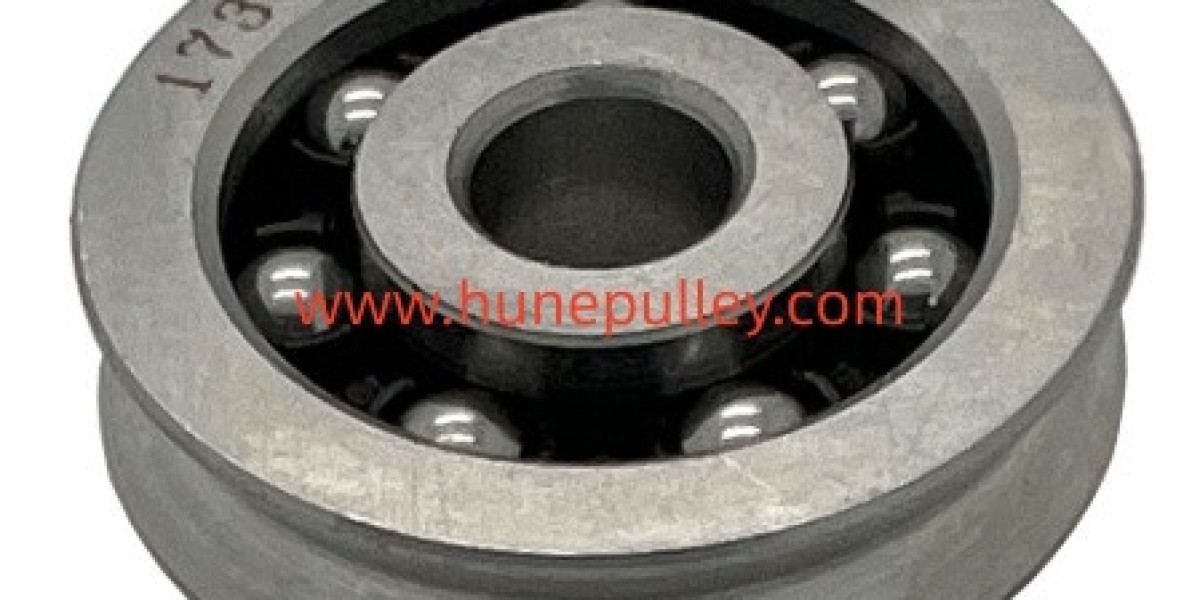
A bearing is designed to support rotating or moving parts while helping manage friction between contacting surfaces. Depending on its structure and application, it can contribute to smoother rotation and more controlled mechanical operation. Pulleys, meanwhile, are used to guide belts, cables, or other connected elements. They help transfer movement and maintain an organized mechanical arrangement. When these components are selected with attention to their intended functions, they can work together as part of an efficient equipment design.
Material selection is another important consideration. Different working environments create different requirements for mechanical components. Metal options may be appropriate for applications that require structural support, while engineering plastics can offer useful characteristics for assemblies where weight, noise, or surface contact matters. The choice should reflect the operating environment, installation structure, expected movement, and maintenance requirements.
Product structure also deserves careful attention. Bearing dimensions, pulley profiles, mounting arrangements, and connection methods can all affect compatibility with existing equipment. A component that fits the intended assembly can simplify installation and help maintain consistent movement. For equipment designers, considering these details during the planning stage can make product integration more straightforward.
Another factor worth considering is operational noise. In residential fittings, furniture hardware, and certain light mechanical systems, unnecessary sound can affect the overall user experience. Appropriate bearing arrangements and pulley materials may help create quieter movement when matched with suitable tracks, belts, and supporting structures. This makes component selection relevant not only to mechanical functionality but also to the experience of people using the finished product.
Maintenance is equally important when evaluating mechanical components. Accessible structures, appropriate lubrication requirements, and compatible installation methods can influence the convenience of routine inspection. Understanding how a component operates within the complete assembly helps equipment manufacturers make informed decisions about replacement, servicing, and long-term product planning.
As equipment designs continue to serve increasingly varied applications, component flexibility remains a valuable consideration. Manufacturers may need solutions for sliding structures, transmission systems, furniture fittings, industrial machinery, or customized mechanical assemblies. Understanding the differences between available designs allows buyers and engineers to identify components that correspond with their technical requirements rather than relying on a general-purpose choice.
A thoughtful purchasing process should also consider communication with suppliers. Clear product descriptions, application information, material details, and installation guidance can help buyers evaluate compatibility before making a selection. Sharing the intended working conditions and equipment structure can make discussions more productive and help narrow down suitable component options.
Mechanical movement may appear simple from the outside, but its reliability depends on many carefully coordinated details. Bearings and pulleys are among the components that help turn mechanical design concepts into practical applications. Paying attention to their structure, materials, compatibility, and maintenance requirements can support more considered equipment development.
If your next mechanical project calls for components that deserve a closer look, open a new window of possibilities at https://www.hunepulley.com/product/ . Visit the website to browse its product range, examine available solutions, and find inspiration for your next equipment design. Your next component selection could begin with a single click.