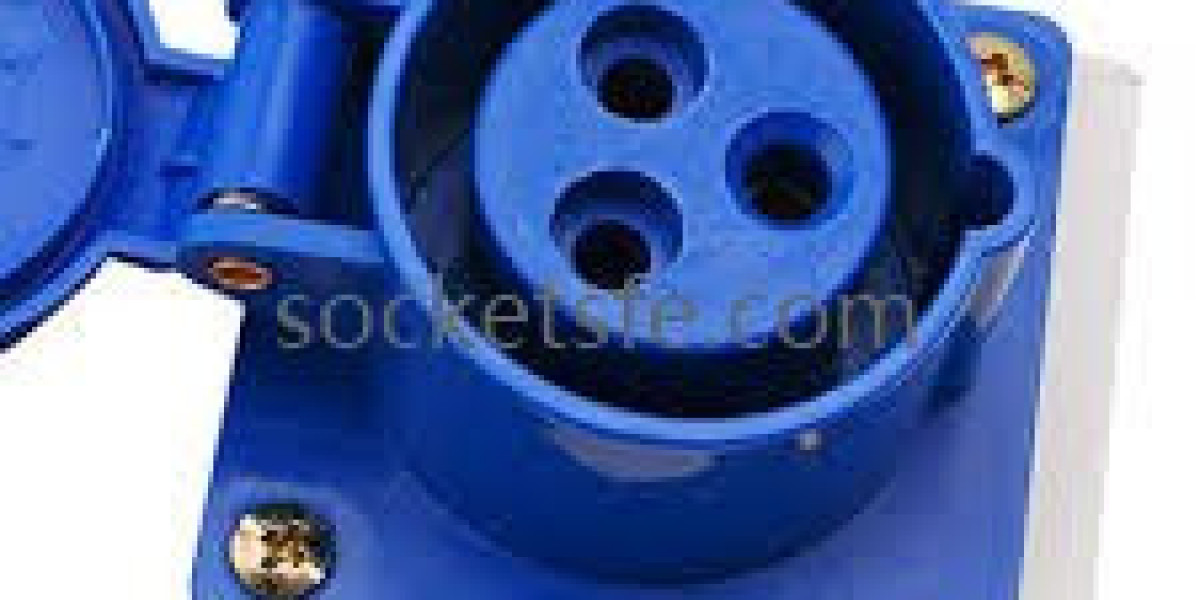

Industrial power connections must be selected according to the electrical characteristics of the equipment and the conditions in which it operates. In many markets, 220V electrical systems support machinery, workshop equipment, commercial appliances, and various industrial installations. A 220V Industrial Plug provides a dedicated connection interface for compatible electrical equipment, helping establish a secure link between a power source and the connected load. Its performance depends on correct electrical matching, suitable construction, and proper installation.
Voltage identification is the starting point when evaluating an industrial connector. A nominal 220V supply may be used in different regional electrical systems, and the actual voltage characteristics can vary according to local distribution practices. Although 220V, 230V, and 240V products may appear similar, their suitability should be established through technical specifications and applicable standards. Buyers should not assume that connectors are interchangeable simply because their nominal voltage values are close.
The contact arrangement is another important selection factor. Many single-phase industrial connections use two current-carrying contacts and one protective earth contact, known as a 2P+E configuration. This structure provides the electrical connection for line and neutral conductors while maintaining a separate protective grounding contact. Other applications may require additional poles or different contact arrangements. The connector must match the socket and electrical circuit used by the installation.
Rated current determines the load capacity of the connector under specified operating conditions. Industrial product families commonly include different current ratings, such as 16A and 32A. The appropriate choice depends on the equipment's electrical demand, expected operating duration, cable size, and circuit protection. Buyers should also consider the possibility of starting currents from motors and other equipment. The connector rating must be coordinated with the complete electrical installation to prevent excessive heating and unnecessary interruptions.
The external housing is designed to provide insulation and protect internal components from accidental contact and mechanical handling. Engineering plastics are commonly used in industrial connector construction because they can provide a combination of electrical insulation and structural strength. Internal contacts are designed to maintain electrical continuity when correctly connected. Their alignment, surface condition, and terminal construction influence the quality of the connection during normal use.
Cable connection quality deserves particular attention during assembly. The conductor cross-section must fall within the product's specified range, and the cable outer diameter must be compatible with the cable entry system. Proper strain relief helps prevent external pulling forces from damaging terminal connections. Conductors should be prepared according to the installation instructions, and terminals should be tightened using the specified procedure. A poorly assembled connector can create problems even when its nominal electrical rating is appropriate.
Environmental protection is also relevant to industrial installations. In controlled indoor environments, a basic level of protection may be sufficient, while outdoor and moisture-prone locations may require more resistant enclosures. IP44 protection addresses splashing water and solid objects larger than 1 mm. IP67 provides dust-tight protection and resistance to temporary immersion under defined test conditions. Buyers should consider the complete connected system because the socket, cover, seals, and cable entry all influence overall protection.
These connectors are used across different industrial sectors. Manufacturing facilities may require them for portable production equipment, testing instruments, maintenance tools, and auxiliary machinery. Commercial workshops can use compatible connections for equipment that needs to be moved between working areas. Construction and maintenance operations may also require standardized electrical interfaces for temporary power distribution. In each application, the selected connector should be appropriate for the equipment's electrical requirements and operating environment.
For machinery manufacturers, consistent electrical interfaces can simplify equipment installation and servicing. A standardized connector allows maintenance personnel to identify the required connection type and replace compatible components more efficiently. However, equipment designers must consider local electrical regulations, machine specifications, and the intended supply system when defining the connection interface. Proper documentation is important for preventing incorrect replacements during maintenance.
Purchasing teams should establish a clear technical specification before requesting quotations. Important details include rated voltage, current capacity, pole configuration, protection rating, cable compatibility, mounting requirements, and mating dimensions. Where products are intended for international distribution, the relevant IEC60309 or EN60309 requirements should also be reviewed. These standards help organize industrial connector configurations and provide a reference for product compatibility.
Quality evaluation should extend beyond the external appearance. Buyers can review housing consistency, contact assembly, terminal accessibility, cable retention, product markings, and available technical documentation. For distributors, clear model differentiation and suitable packaging can reduce inventory confusion. Importers should also confirm whether matching sockets and related accessories are available for the intended market.
Regular inspection helps identify wear before it affects normal operation. Users should examine the enclosure for cracks, check contacts for corrosion or discoloration, and ensure that cable entries remain secure. Signs of overheating, damaged insulation, or loose components require professional attention. Installation and repair should be performed by qualified personnel after isolating the electrical supply. When sourcing a 220V Industrial Plug, buyers should confirm voltage compatibility, contact configuration, current rating, and installation requirements for the intended application. More information about industrial electrical connection products is available at https://www.socketsfe.com/.






