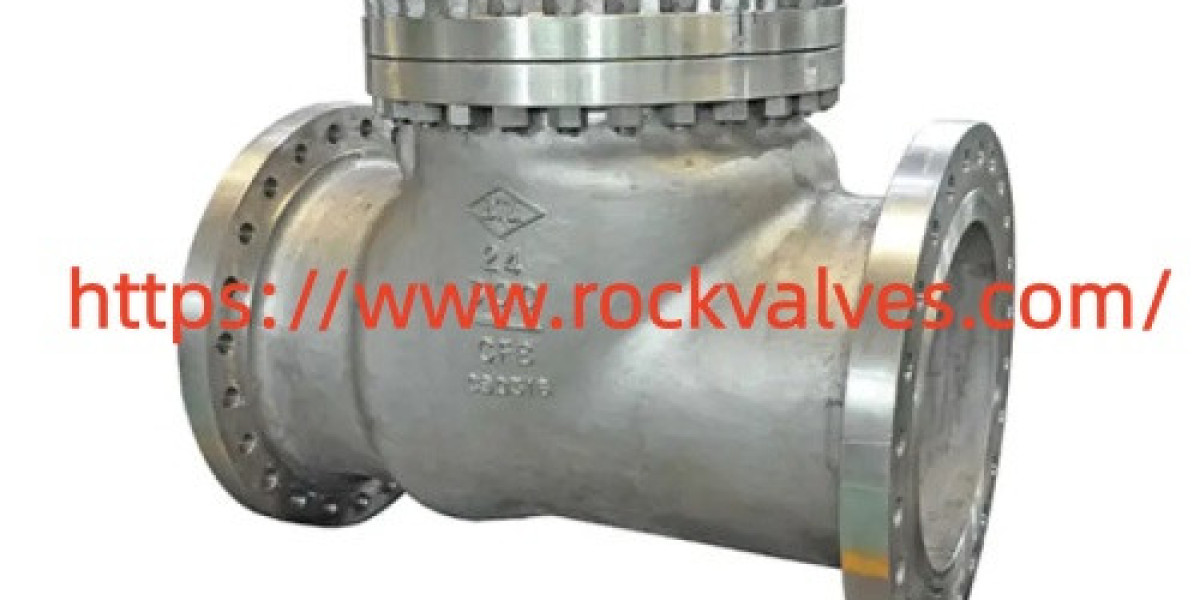

Sour Service Gate Valve selection is an important consideration for industrial projects involving hydrogen sulfide and other challenging process conditions. In oil and gas production, refining, and chemical processing, equipment materials must be evaluated according to the surrounding environment. A purchasing decision involves more than choosing a product based on its appearance or general construction. Material compatibility, manufacturing processes, sealing arrangements, and long-term maintenance planning all deserve attention. These considerations help engineering teams identify equipment that matches the actual requirements of their facilities.
One important factor is the relationship between metal composition and environmental exposure. Hydrogen sulfide can affect certain metallic materials, particularly when moisture and mechanical stress are present. Under unsuitable conditions, sulfide stress cracking may develop and affect the structural integrity of industrial components. This makes material evaluation an essential part of equipment planning.
Different metals respond differently to chemical exposure. Carbon steel, stainless steel, and specialized alloys each have their own characteristics. Their suitability depends on chemical composition, heat treatment, hardness, manufacturing history, and the conditions in which they will operate. Selecting a material simply because it belongs to a familiar category may overlook important engineering considerations.
Material documentation also deserves attention during procurement. Buyers should review material certificates, manufacturing records, inspection procedures, and relevant technical documents. These records help establish whether the supplied components correspond with the approved project requirements. For facilities operating with hydrogen sulfide, referring to applicable NACE MR0175 and ISO 15156 requirements can support a more structured material assessment. The actual operating environment must always be considered when determining material suitability.
Another factor worth examining is the relationship between component design and operational requirements. Industrial isolation equipment needs a construction arrangement that corresponds with the pipeline system and its intended function. The body, bonnet, stem, internal closure components, and sealing elements each contribute to the overall assembly. Their materials and manufacturing processes should be evaluated as part of one coordinated design rather than as unrelated purchasing items.
Sealing technology is equally relevant. A suitable sealing arrangement helps manage internal leakage and supports dependable isolation during normal operation. Different process conditions may call for different sealing materials and structural configurations. Buyers should consider chemical compatibility, temperature exposure, operating frequency, and maintenance accessibility before confirming a product specification.
Manufacturing quality involves more than the selection of raw materials. Casting practices, machining accuracy, heat treatment, welding procedures, and surface inspection can all influence the finished product. Production control helps manufacturers maintain consistency between engineering requirements and the physical equipment delivered to customers.
For industrial buyers, understanding these production details can make supplier evaluation more practical. A manufacturer should be able to explain its production process and provide relevant documentation for review. Inspection arrangements should also reflect the requirements of the individual project. Clear communication between purchasers, engineers, and manufacturers helps reduce misunderstandings during specification confirmation and delivery.
The purchasing process should begin with an accurate understanding of the intended application. Buyers can prepare a technical checklist covering fluid composition, moisture exposure, operating conditions, pipeline connections, installation arrangements, and maintenance expectations. This information gives manufacturers a clearer basis for recommending an appropriate configuration.
It is also useful to consider the working environment around the equipment. Outdoor installations may involve changing weather conditions, while processing facilities can introduce additional exposure to chemicals, dust, or vibration. Accessibility for inspection and replacement should be considered during the planning stage.
Another practical consideration is the availability of technical support. Industrial projects often involve coordination between engineering departments, procurement teams, contractors, and maintenance personnel. A supplier that communicates clearly about drawings, material options, production progress, and inspection arrangements can make this process easier to manage.
Product appearance should not be confused with engineering suitability. A clean exterior and carefully finished surfaces contribute to product presentation, but internal construction and material traceability remain central purchasing considerations. Buyers should assess technical information alongside manufacturing capability instead of relying on visual impressions alone.
Manufacturers serving the industrial flow control market need to understand the relationship between design, material selection, and actual operating conditions. Experience with different project requirements can help support discussions about construction options, documentation, inspection arrangements, and customization needs.
Rockv focuses on industrial flow control products for customers involved in demanding pipeline and processing applications. Its product range provides purchasing teams with options to consider when developing equipment specifications for different industrial projects. Clear communication about operating conditions and technical expectations can help align product selection with project requirements.
As industrial facilities continue to pay attention to material compatibility, equipment maintenance, and manufacturing transparency, informed procurement decisions remain an important part of project planning. Buyers who evaluate construction details, technical records, and supplier capabilities together can develop a more complete understanding of their equipment requirements. To review product information and manufacturing solutions for industrial applications, visit https://www.rockvalves.com/ and connect the available product options with the needs of your next project.