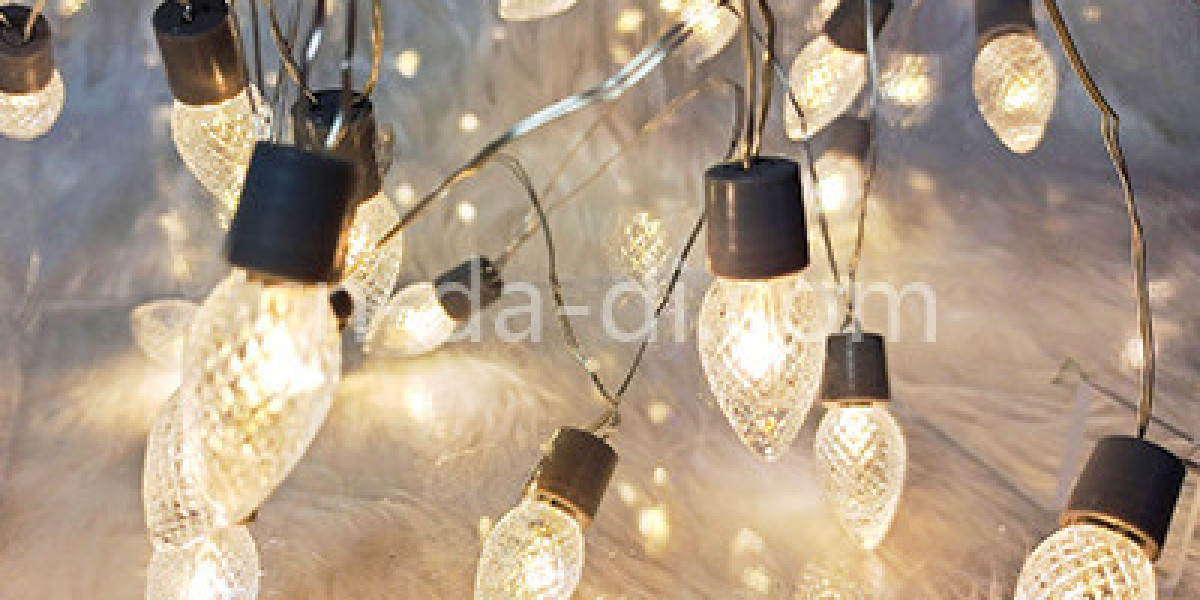

The materials used in decorative lighting have a strong influence on the appearance of a finished Christmas display. While conventional lighting products primarily emphasize the illumination itself, decorative designs incorporating transparent, translucent, or shaped materials can make the light an integrated part of the ornament. In seasonal decoration projects, Acrylic LED Christmas Lights represent a product category that combines LED illumination with acrylic decorative elements, creating opportunities for distinctive visual presentations in residential, retail, hospitality, and event environments.
Acrylic is widely used in decorative products because it can be manufactured into different shapes and visual finishes. Depending on the design and material treatment, acrylic components may be transparent, translucent, colored, or visually textured. These characteristics make the material suitable for ornaments and decorative structures where the appearance of the illuminated object is as important as the light source. In Christmas applications, acrylic elements may be designed to resemble stars, snowflakes, festive symbols, geometric shapes, or other seasonal motifs. The specific form and construction depend on the individual product.
One important consideration is the relationship between the LED source and the acrylic component. Light may enter an acrylic element from a particular position and create an illuminated effect across part of its surface. The final appearance depends on the material's optical characteristics, surface treatment, thickness, LED position, and overall product structure. Some designs emphasize a defined decorative outline, while others focus on a more evenly illuminated surface. Buyers should examine actual product samples or reliable product images to understand how the lighting effect appears under different viewing conditions.
Residential decoration provides several possible applications. Acrylic lighting ornaments can be used on shelves, window displays, side tables, Christmas-themed decorative corners, and other interior spaces. Their shapes can complement traditional ornaments, artificial greenery, ribbons, and seasonal accessories. A coordinated collection may use similar materials or colors across several rooms to create a consistent decorative theme. For smaller homes and apartments, individual illuminated ornaments can introduce a festive atmosphere without requiring extensive installation.
Commercial environments often have different requirements. Shopping centers, department stores, hotels, restaurants, and entertainment venues may use illuminated decorative objects as part of larger seasonal displays. Acrylic elements can help establish visual themes, particularly when a project involves recognizable decorative shapes or coordinated display arrangements. Retail businesses may position these products near entrances, display windows, seasonal merchandise sections, and promotional areas to attract attention. Hotels and restaurants may use smaller decorative pieces to enhance reception areas, dining spaces, and guest-facing interiors.
Acrylic also provides opportunities for product differentiation in the Christmas decoration market. Retailers can offer different decorative shapes, sizes, colors, and illumination styles to appeal to customers with different preferences. Some buyers may prefer understated transparent designs, while others may select colorful or highly visible seasonal ornaments. For distributors and wholesalers, understanding these differences can support a more balanced product assortment. Product selection should be based on actual designs and available specifications rather than assumed features.
The LED component contributes to the lighting performance of the finished product. LEDs are widely used in decorative applications because they generally consume less energy than traditional incandescent light sources and generate less heat during normal operation. Their compact dimensions also allow them to be incorporated into different decorative structures. However, the performance of the complete product depends on the electrical components, connections, power supply, thermal conditions, and assembly. A decorative object should therefore be assessed as a complete electrical product rather than simply as an acrylic ornament with a light source.
Color selection can influence how acrylic decorations interact with their surroundings. Warm white illumination often complements traditional Christmas interiors, wooden furniture, and natural-looking decorative materials. Cool white lighting may work well with contemporary displays, silver ornaments, and winter-themed arrangements. Colored illumination can provide a more playful appearance for children's spaces, themed events, or commercial displays. The actual color appearance may also vary according to the acrylic material and the surrounding lighting environment.
When choosing products for a specific project, buyers should consider dimensions, shape, material finish, illumination color, power requirements, placement, and installation method. For indoor displays, the appearance of the product under normal room lighting should be considered alongside its illuminated appearance. For outdoor projects, buyers must verify that the complete product is specifically rated for the intended environmental conditions. Acrylic material alone does not establish weather resistance or electrical protection.
Importers and wholesalers should also review manufacturing consistency and packaging arrangements. Acrylic components can require suitable protection during transportation and storage to reduce scratching, cracking, and other physical damage. Packaging should provide adequate protection for the decorative surfaces and electrical components. Buyers sourcing multiple designs may benefit from requesting samples to compare material clarity, edge finishing, LED positioning, and overall assembly quality before placing larger orders.
Maintenance is another practical consideration. Dust and fingerprints may affect the appearance of transparent or glossy decorative surfaces, so cleaning should follow the manufacturer's recommendations. Abrasive materials and unsuitable chemical cleaners may damage certain acrylic finishes. Products should be disconnected from their power source before cleaning whenever applicable, and users should avoid exposing electrical components to moisture unless the product is designed for that environment.
For seasonal retailers, Acrylic LED Christmas Lights can provide an additional decorative category that combines illuminated objects with recognizable Christmas themes. Their suitability depends on the intended display style, material finish, light distribution, and operating requirements. Buyers developing a wider holiday decoration collection can review related product options at https://www.cn-da-di.com/product/led-string-light/ to explore lighting solutions for different seasonal applications.