
Plastic materials have become essential to modern healthcare manufacturing because they can be processed into lightweight, functional, and precisely shaped components for disposable medical devices. From fluid connection accessories to infusion set components, many healthcare products rely on carefully designed plastic parts to support safe handling and reliable operation. Medical Plastic Consumable Products cover a broad range of items used in clinical procedures, medical fluid management, patient care, and diagnostic applications. Their manufacturing requires careful consideration of material selection, mold design, dimensional accuracy, and product-specific quality requirements.
One important reason for the widespread use of medical plastics is their design flexibility. Injection molding allows manufacturers to produce components with complex geometries, integrated connection structures, and consistent dimensions. Compared with processes that require extensive secondary machining, injection molding can efficiently reproduce detailed shapes when the mold and processing conditions are properly developed. This makes it suitable for producing large quantities of small components used in disposable medical devices.
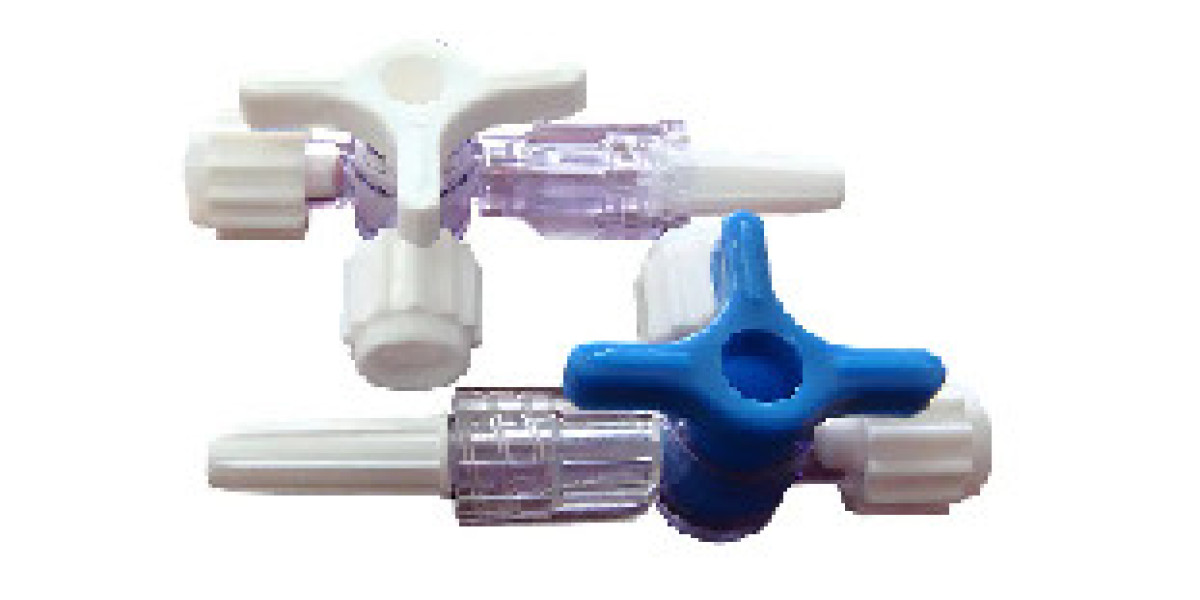
Common applications include infusion set accessories, syringe components, connectors, clamps, valves, drip chambers, protective caps, and other plastic parts used in medical fluid systems. Each product has different functional requirements. A connector, for example, must provide appropriate dimensional compatibility with its mating component, while a clamp may need to deliver controlled mechanical pressure. A drip chamber must be designed around its intended fluid observation and handling functions. Consequently, product geometry and material properties should always be evaluated according to the actual application.
Material selection is one of the most important stages in medical plastic product development. Different polymers provide different combinations of rigidity, flexibility, transparency, impact resistance, chemical compatibility, and processing characteristics. Polypropylene is commonly used in many molded medical components because of its processing characteristics and mechanical properties. Polyethylene is used in selected applications requiring flexibility or chemical resistance. Polycarbonate may be considered for products requiring transparency and rigidity, subject to the specific grade and intended use. Other engineering polymers may be appropriate for specialized applications.
However, not every plastic material is suitable for every medical application. Buyers and manufacturers must consider the intended contact conditions, sterilization method, operating temperature, chemical exposure, mechanical loading, and applicable regulatory requirements. Material grades should be selected using appropriate technical documentation and product-specific evaluations. General polymer properties alone cannot establish medical suitability or prove compliance with a particular medical device standard.
Precision mold design directly influences the consistency of finished plastic components. Important factors include cavity geometry, gate location, cooling channel arrangement, venting, shrinkage compensation, and mold release. Small errors in mold design can result in dimensional deviations, flash, incomplete filling, warpage, or other molding defects. For components with tight fitting requirements, mold accuracy and process stability are particularly important. Mold development should therefore begin with a clear understanding of the product drawings, dimensional tolerances, and intended assembly conditions.
Injection molding itself involves several coordinated stages. Plastic resin is prepared and introduced into the molding machine, where it is heated and injected into the mold cavity. The material then cools and solidifies before the molded component is ejected. Process conditions such as temperature, pressure, injection speed, and cooling time influence the appearance and dimensions of the finished part. Stable production requires appropriate equipment settings, mold maintenance, material control, and inspection procedures.
Quality inspection should address both visual appearance and functional performance. Depending on the product, inspection criteria may include dimensions, wall thickness, surface finish, transparency, flash, cracks, deformation, and connection compatibility. Some products also require functional testing based on their intended use. For medical fluid pathway components, additional product-specific evaluations may be necessary to verify relevant performance characteristics. Manufacturers should establish documented acceptance criteria and apply suitable inspection methods throughout production.
The relationship between molded components and automated assembly equipment is another consideration for medical consumable manufacturers. A plastic part may meet its individual dimensional requirements but still create assembly difficulties if its geometry is not suitable for automatic feeding or positioning. Features such as orientation, gripping surfaces, insertion points, and component tolerances can influence machine design. Cooperation between mold engineers and automation engineers can help identify potential problems during product development rather than after mass production begins.
For international buyers, evaluating a medical plastic supplier involves more than comparing unit prices. Important factors include material documentation, mold development experience, dimensional inspection methods, production consistency, customization capabilities, and communication efficiency. Buyers should provide technical drawings, reference samples, required materials, annual demand estimates, and intended applications when requesting quotations. They should also clarify packaging requirements, sterilization compatibility, quality documentation, and applicable regulatory responsibilities.
Customization can be particularly valuable when standard components do not match a medical device's structural or functional requirements. A coordinated development process may involve reviewing the product design, selecting appropriate materials, developing the mold, producing trial samples, and evaluating compatibility with downstream assembly operations. Any design modification should be assessed against the product's intended function and applicable quality requirements. This approach helps reduce uncertainty before larger manufacturing quantities are introduced.
China Zhejiang Taizhou Ambe Trading Co., Ltd., under the AMBE TRADE brand, integrates medical plastic products, medical injection molds, and automated medical assembly equipment within its business scope. This combination supports discussions involving plastic component development, mold manufacturing, and related production processes. Its product portfolio includes medical plastic accessories such as infusion-related components and other disposable medical device parts. For importers, distributors, and medical device manufacturers sourcing Medical Plastic Consumable Products, evaluating material suitability, mold precision, component consistency, and compatibility with the final medical device is essential. Further information about the company's medical plastic products, molds, and automation equipment can be found at https://www.ambemedi.com/.