
Buttons are among the most widely used fastening components in the apparel industry, serving both functional and decorative purposes across different garment categories. Their attachment requires accurate positioning, suitable sewing methods, and consistent fastening strength to ensure that finished products meet design and quality requirements. In industrial garment production, button attachment is an important operation that connects garment components while maintaining the appearance, usability, and durability of the finished item. Specialized sewing equipment helps manufacturers perform this operation more consistently than manual methods alone.
Buttons are available in many shapes, sizes, materials, and structural designs. Common options include plastic, resin, metal, natural materials, and fabric-covered buttons. Two-hole and four-hole buttons are widely used on shirts, uniforms, and casual clothing, while shank buttons are frequently found on coats, jackets, and other heavier garments. Snap-style fasteners and decorative button designs may require different attachment methods. These variations influence the appropriate machine configuration, needle selection, thread choice, and sewing pattern.
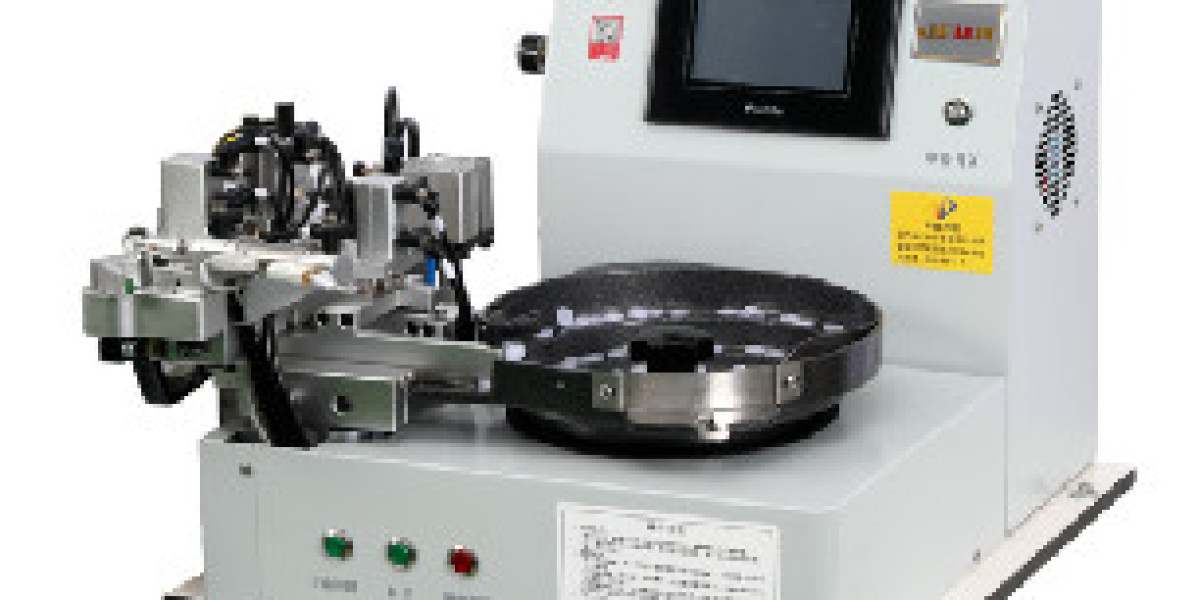
An industrial button attaching machine generally consists of a sewing head, needle mechanism, button-clamping arrangement, fabric positioning area, drive system, and operating controls. The machine holds the button in a suitable position while the fabric is placed underneath the sewing area. During operation, the needle passes through the buttonholes and garment material according to the selected stitch pattern. The thread forms the required connection, securing the button to the fabric. Depending on the machine design, different attachment patterns and button configurations may be supported.
The quality of the finished attachment depends on several interacting factors. Buttonhole spacing must match the sewing mechanism, and the button must remain stable throughout the stitching process. If the button shifts during operation, the resulting stitches may be uneven or incorrectly positioned. Fabric thickness also affects needle penetration and stitch formation. Lightweight shirt materials require different handling from thick denim, workwear fabrics, or heavy jacket materials. Manufacturers should therefore evaluate equipment compatibility using the actual fabric and button combinations used in production.
Button positioning is especially important in garments with multiple fastening points. Shirts, for example, require buttons to align with corresponding buttonholes along the front opening. Small positioning errors can affect the appearance of the entire garment and make fastening less convenient. On jackets and uniforms, consistent button placement contributes to a professional finish. Industrial machines with appropriate positioning arrangements can help operators maintain repeatable attachment locations, particularly when processing large quantities of garments with standardized specifications.
Thread selection and stitch formation also influence attachment reliability. The thread must be suitable for the fabric, button structure, and intended use of the garment. Incorrect tension may result in loose stitching, excessive thread exposure, or damage to delicate materials. The number and arrangement of stitches should correspond to the button design and the machine's intended operating method. For products exposed to frequent washing or repeated fastening, manufacturers should evaluate attachment strength through appropriate production quality checks rather than relying only on visual inspection.
Different garment categories create distinct production requirements. Shirt manufacturers often process large quantities of standard buttons and need consistent positioning across repeated operations. Denim and casualwear producers may work with heavier fabrics and different button constructions. Suit and coat manufacturers can require specialized attachment arrangements for decorative or shank buttons. Uniform suppliers may prioritize repeatability because garment specifications need to remain consistent across large production orders. These differences should guide equipment selection and workstation planning.
Production efficiency is another reason manufacturers invest in specialized button sewing equipment. Manual button sewing can require considerable operator attention, especially when garments contain multiple fastening points. An industrial machine can standardize the sewing operation and reduce repetitive manual work when the equipment is properly configured. Depending on its design, it may support different stitch patterns, button sizes, and operating modes. Buyers should confirm the actual adjustment range and supported button types with the equipment supplier before purchasing.
When evaluating a machine for button attachment, buyers should consider the types of buttons processed, fabric thickness range, required sewing patterns, production volume, and operator skill level. It is advisable to prepare samples representing regular production materials and test the machine under realistic conditions. The evaluation should include button stability, stitch appearance, fastening strength, positioning consistency, and ease of changing settings. Buyers should also examine whether the machine can be integrated into existing sewing lines without creating unnecessary workflow interruptions.
For B2B procurement, machine reliability and service arrangements are as important as initial purchase cost. Importers, distributors, and garment factory purchasing departments should review the machine's construction, operating requirements, maintenance accessibility, spare parts availability, and technical support arrangements. If the equipment will be supplied to different garment manufacturers, the distributor should also understand the range of applications supported by the machine. Clear technical communication helps prevent mismatches between customer requirements and equipment capabilities.
Routine maintenance supports consistent sewing performance. Needles should be replaced when worn, bent, or damaged, and the correct needle type should be selected for the fabric being processed. Thread paths, tension components, and button-holding mechanisms should be inspected regularly. Accumulated lint and thread fragments should be removed from relevant machine areas according to the manufacturer's instructions. Operators should also verify stitch formation and button positioning when changing garment materials or production specifications.
Before introducing new button designs into mass production, manufacturers should conduct sample testing to determine suitable sewing settings and verify the finished attachment. This is particularly important when working with unusual button shapes, different hole arrangements, delicate fabrics, or thicker garment assemblies. Taizhou JEMA Sewing Machine Co., Ltd. offers machinery information through https://www.chinajema.com/ for international garment manufacturers and sewing equipment buyers exploring suitable solutions for their production operations.