
Extremely low operating temperatures create special challenges for industrial pipeline equipment. A Cryogenic Ball Valve Design must account for material behavior, thermal contraction, sealing reliability, and operating accessibility under cold service conditions. Applications such as liquefied natural gas transportation, gas processing, and industrial gas storage require valves that can maintain their intended function while exposed to temperatures far below those found in conventional pipeline systems. Proper engineering therefore begins with understanding the actual operating environment and selecting a suitable valve configuration.
Ball valves use a spherical closure element to control fluid flow. The ball contains a passage that aligns with the pipeline when the valve is open and rotates away from the flow path when the valve is closed. This quarter-turn principle provides a straightforward isolation mechanism. However, cryogenic service places additional demands on the internal components because materials and sealing elements can behave differently at very low temperatures. A design suitable for ordinary industrial service should not automatically be assumed suitable for cryogenic applications.
Material selection is one of the most important engineering decisions. Metals can experience changes in toughness, strength, and dimensional behavior as temperatures decrease. Materials used in the body, ball, stem, and other pressure-containing or load-bearing components must therefore be evaluated for the specified low temperature range. Austenitic stainless steels are commonly considered in cryogenic equipment because of their low-temperature properties, although the final material grade should be determined by the applicable design requirements and project specifications. Material selection should also consider pressure, fluid composition, and possible exposure to external environmental conditions.
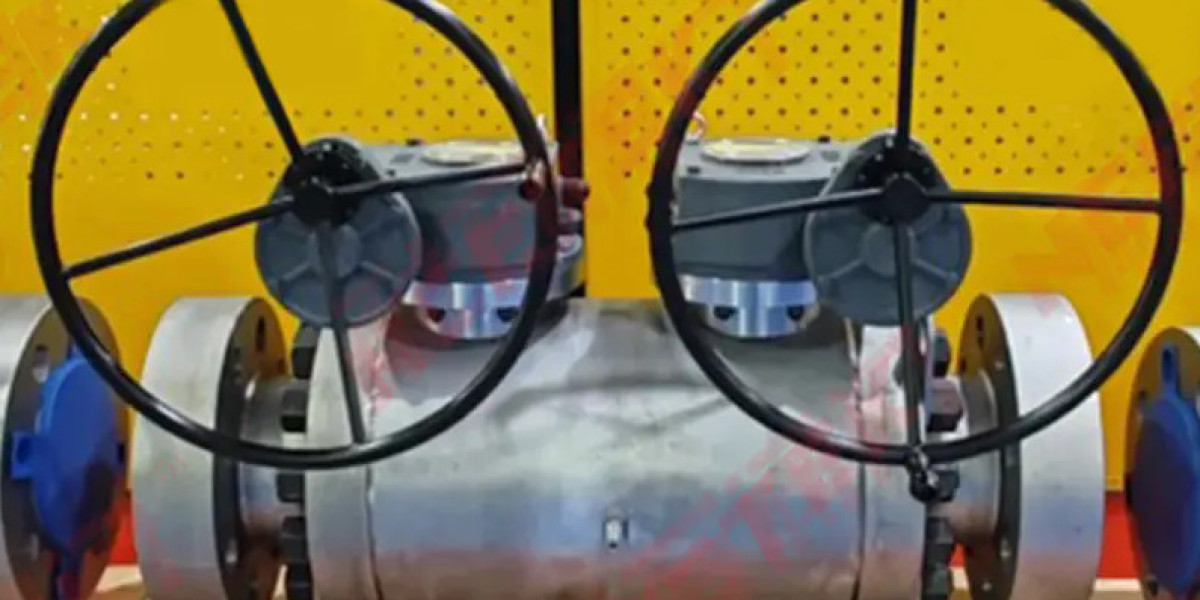
The valve body must provide structural integrity while accommodating temperature-related dimensional changes. Depending on the application, floating ball or trunnion-mounted structures may be selected according to valve size, pressure conditions, and operating requirements. A floating ball design allows the ball to move slightly under differential pressure to establish contact with the downstream seat. A trunnion-mounted structure supports the ball through mechanical anchoring, which can be appropriate for larger or higher-pressure applications. The correct configuration depends on the complete operating specification rather than temperature alone.
An extended bonnet is an important feature in many cryogenic valve configurations. It provides additional distance between the low-temperature fluid area and the stem packing region. This arrangement can help keep the packing and operating components away from the coldest section of the valve, supporting more suitable operating conditions for sealing materials and reducing the risk of excessive frost formation around the stem area. The required extension length and structural arrangement should be determined according to the fluid, temperature, installation position, and applicable design requirements.
Sealing technology requires particular attention in low-temperature environments. Seat materials must retain suitable properties under the specified temperature conditions and remain compatible with the conveyed medium. Some polymer materials can become less flexible at low temperatures, potentially affecting their sealing behavior. The selection of seat and stem packing materials should therefore be based on verified low-temperature suitability. Metal-seated arrangements may also be considered for certain applications, but their suitability depends on the required leakage performance, surface finish, and operating conditions.
Thermal contraction affects the dimensions of different valve components. Because materials may contract at different rates, the design must consider clearances, contact pressures, and the relationship between the ball and its seats. Manufacturing tolerances should support the intended assembly condition across the operating temperature range. If the internal geometry is not properly evaluated, thermal changes may influence operating torque or sealing performance. Engineering calculations and suitable testing procedures help address these potential issues before the valve is supplied.
The operating mechanism must also function reliably in cold environments. Manual operation may be suitable for some installations, while larger valves or automated process systems may require gearboxes or actuators. The operating equipment should be selected according to the required torque, installation accessibility, and control system. Stem design, packing arrangement, and operating accessories should be coordinated with the extended bonnet structure to maintain appropriate mechanical alignment and serviceability.
Manufacturing quality is essential for cryogenic valve reliability. Body machining, ball finishing, seat preparation, and component assembly must follow controlled production procedures. Material identification and traceability help confirm that the supplied components match the approved specifications. Dimensional inspection, visual examination, operating checks, and pressure testing may form part of the inspection plan. Depending on the project, additional low-temperature testing may be required to evaluate sealing and operating behavior under representative service conditions.
Cryogenic valves are widely used in LNG facilities, industrial gas production, gas storage, and specialized chemical processing systems. Each application may involve different fluid properties, operating pressures, temperature ranges, and installation arrangements. Buyers should provide clear technical information when requesting a quotation, including the medium, minimum and maximum operating temperatures, pressure conditions, valve size, connection type, and required standards. This allows the manufacturer to assess the appropriate body structure, materials, seats, and operating arrangement.
When evaluating a Cryogenic Ball Valve Design, engineering teams should look beyond the basic valve category and examine material suitability, extended bonnet dimensions, seat performance, thermal behavior, and inspection requirements. A configuration developed around the actual operating conditions is more appropriate than a general-purpose valve adapted without sufficient review. Zhejiang Naishi Valve Co., Ltd. provides industrial valve solutions for different pipeline applications. Buyers can explore product options and discuss project requirements through https://www.ncevalve.com/product/.