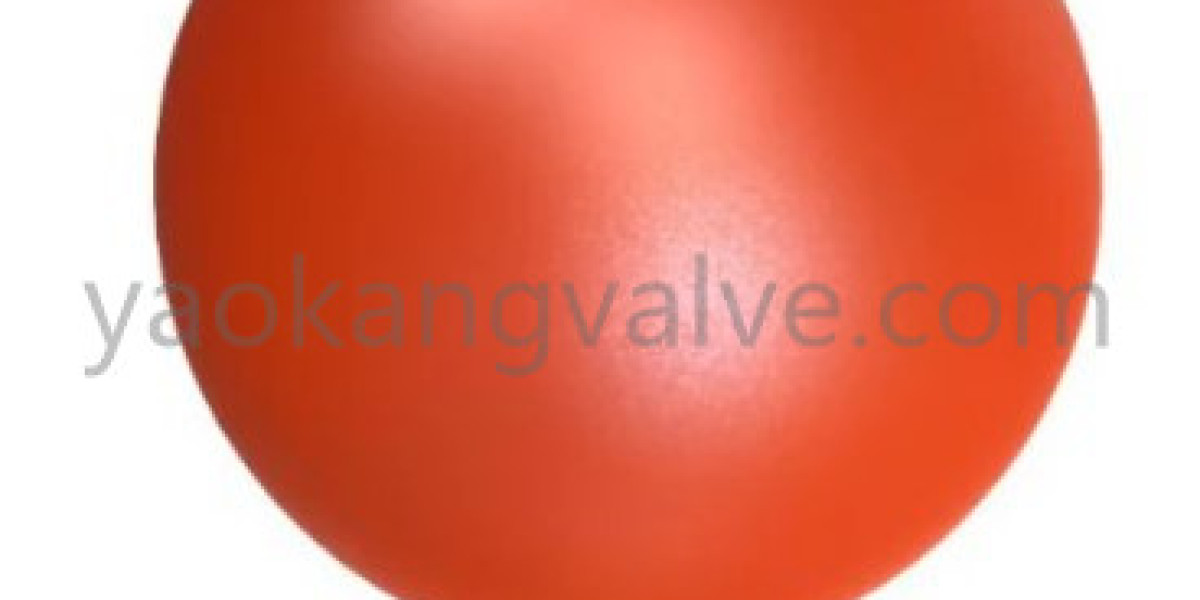

Manufacturing quality plays an important role in the performance of mechanical components used in liquid level control systems. When equipment manufacturers and industrial buyers evaluate a Float Ball Factory, they should consider more than the appearance of the finished product. Material selection, structural design, production methods, welding quality, and inspection procedures all influence whether a component can meet the requirements of its intended application. A capable manufacturing partner should understand how buoyancy-based components work and how their construction affects the performance of the complete valve assembly.
The production process generally begins with an assessment of the customer's application and technical requirements. Buyers may provide drawings, samples, or basic dimensional information to explain the required shape and connection structure. The manufacturer then reviews the design, available materials, manufacturing feasibility, and expected operating environment. This early communication helps identify potential problems before production begins. For customized orders, reviewing the relationship between the floating structure and the connected valve mechanism is particularly important because dimensional differences may affect movement and installation.
Material selection is one of the first technical decisions. Stainless steel is commonly used for industrial floating components because it offers mechanical strength, corrosion resistance, and a suitable surface for different operating environments. SS304 is often considered for general water-related applications, while SS316 may be more appropriate for environments involving certain corrosive substances. The correct grade depends on the actual liquid composition, temperature, cleaning conditions, and maintenance requirements. Other material options may be considered when the application calls for different performance characteristics. Manufacturers should communicate material specifications clearly so that buyers can make informed procurement decisions.
Metal forming is another important part of production. Depending on the required design, manufacturers may use stamping, drawing, rolling, or other forming techniques to create the external shape. Consistent forming helps maintain dimensional accuracy and supports compatibility with the intended assembly. The manufacturing process should also account for wall construction and overall structural stability. If the shape is uneven or the dimensions vary significantly, the finished component may not fit correctly or may behave differently during operation.
For hollow stainless steel structures, welding quality deserves particular attention. The joints must provide adequate structural integrity while maintaining the intended internal cavity. Excessive heat or inconsistent welding conditions can cause deformation, surface irregularities, or dimensional changes. Manufacturers therefore need suitable welding procedures and trained operators to maintain production consistency. Depending on the design, trimming and polishing may follow welding to improve the appearance and remove unwanted surface irregularities.
Inspection procedures should be established according to the product's intended function. Dimensional inspection helps confirm that the finished component matches approved drawings or samples. Visual inspection can identify scratches, dents, incomplete finishing, and other visible defects. Leak testing may be necessary for hollow structures to verify the integrity of welded joints. Material verification and production records can also support quality management, particularly for customers purchasing components in repeated batches.
Surface treatment is not simply a decorative step. A properly finished surface can make cleaning and routine inspection easier, while an appropriate polishing process helps create a consistent appearance. Buyers should specify their expectations for surface condition, including whether a standard polished finish or a customized treatment is required. For specialized applications, the complete product and manufacturing process should be evaluated against relevant industry requirements rather than assuming that a particular surface finish guarantees suitability.
Industrial applications create different manufacturing demands. Water tank equipment may require standard shapes and straightforward valve connections, while industrial fluid systems can involve customized dimensions and more specific structural arrangements. Agricultural water installations, cooling equipment, storage tanks, and commercial water management systems may also use mechanical floating components. Manufacturers should understand the installation environment before recommending a design, especially when the liquid characteristics or operating conditions differ from ordinary water storage.
Customization is a valuable capability for international B2B buyers. OEM projects may require products that match an established equipment design, while ODM cooperation may involve developing a new structure based on application requirements. Buyers should provide accurate drawings, samples, annual demand estimates, and expected inspection criteria whenever possible. This information helps manufacturers evaluate tooling, production planning, sample approval, and batch consistency. Clear specifications also reduce the risk of misunderstandings during international orders.
When comparing suppliers, purchasing teams should examine manufacturing experience, equipment capabilities, material sourcing, inspection procedures, communication efficiency, and delivery management. A competitive quotation is useful, but it should be evaluated alongside product consistency and the supplier's ability to handle repeat orders. Sample testing before mass production can help confirm dimensions, surface quality, and compatibility with the intended assembly. Buyers should also establish clear procedures for handling nonconforming products and technical changes.
For equipment brands, valve manufacturers, and industrial distributors, working with an experienced Float Ball Factory can support stable sourcing and customized component development. Yongjia County Yaokang Technology Co., Ltd. focuses on floating components and related liquid level control products, offering manufacturing cooperation for different application and purchasing requirements. International buyers can review available product categories, discuss drawings, and explore OEM or bulk production opportunities through https://www.yaokangvalve.com/product/ as part of their supplier evaluation process.