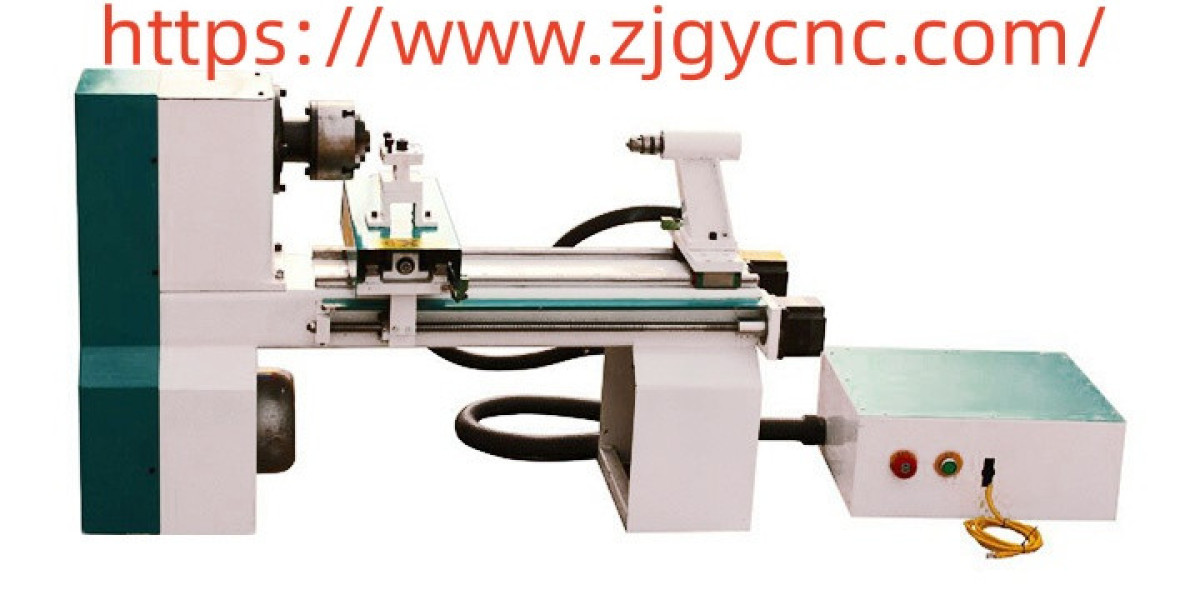

Mini CNC Lathe selection should start with an examination of the complete production workflow, not simply the machine specifications. Buyers need to consider how raw materials enter the workshop, how operators prepare programs, how tools are changed, and how finished parts are inspected. For manufacturers handling small components, these details influence daily scheduling, labor arrangements, and the consistency of production. A clear purchasing plan helps connect equipment configuration with real workshop requirements.
Identify the Machining Sequence for Each Part
Before requesting a quotation, buyers should prepare drawings of several representative components. These drawings should show dimensions, material types, surface requirements, thread details, grooves, holes, and other machining features.
The next step is to list the operations required to produce each component. A typical sequence may include facing, external turning, boring, drilling, threading, and cutting off. Not every part needs all these operations, so the machine configuration should reflect the actual production process.
Buyers should also consider how frequently production changes from one component to another. Workshops handling several product models may need convenient setup procedures and flexible tooling arrangements. Factories producing repeated batches may focus more on stable program execution and predictable cycle planning.
Examine Tool Arrangement and Changeover Procedures
Tool arrangement affects how operators prepare different jobs and move between machining operations. Buyers should check the available tool positions, holder dimensions, tool installation method, and compatibility with the cutting tools used in their workshop.
A practical evaluation should consider the following questions:
How many tools are needed for the regular part range?
Can the planned operations be completed within the available tool arrangement?
How accessible are the holders during replacement?
Are standard toolholders available from local suppliers?
How much setup work is required when changing components?
These questions help buyers understand whether the proposed configuration fits their production habits. It is also useful to request a tooling layout drawing before confirming the order. The engineering team can then review possible interference between tools, fixtures, and workpieces.
Review Programming and Control Functions
The control system affects how machining programs are prepared, edited, stored, and operated. Buyers should confirm the controller model and available programming functions before selecting a configuration.
If operators already have experience with a particular control platform, maintaining a familiar programming environment may reduce training requirements. For workshops introducing numerical control for the first time, the interface, operating instructions, and technical training arrangements deserve additional attention.
Buyers can also ask about program storage, editing procedures, alarm information, and data transfer methods. If the factory uses CAD or CAM software, it should discuss the relevant post-processor requirements with the supplier. Checking these details early can reduce delays when preparing the machine for actual production.
Check Chip Removal and Working Area Organization
Chip management is often overlooked during equipment purchasing, even though it affects cleaning routines and operator access. Different materials produce different chip shapes. Aluminum, brass, and steel may require different approaches to collection and removal.
Buyers should examine the working enclosure, chip tray, coolant arrangement, and access points for routine cleaning. The operator should be able to remove accumulated chips without unnecessary disruption to the production schedule.
Coolant requirements should also be discussed according to the materials and cutting operations involved. The supplier can provide information about the available coolant system and related accessories. For workshops with limited floor space, the position of the coolant tank, electrical cabinet, and maintenance panels should be included in the installation plan.
Plan Inspection Procedures for Finished Components
Inspection requirements should be defined before production begins. Buyers can identify the dimensions and features that require measurement, including outside diameters, internal dimensions, thread profiles, lengths, and surface conditions.
Common inspection equipment may include micrometers, calipers, bore gauges, thread gauges, and other instruments selected according to the drawing requirements. The inspection process should also specify when measurements are taken, such as during setup, after tool adjustment, or at scheduled production intervals.
For new projects, sample machining provides an opportunity to review the complete process. Buyers can compare the finished part with the drawing, record measurement results, and discuss any required changes to tooling or cutting parameters. This creates a documented reference for later production batches.
Consider Operator Training and Routine Maintenance
Equipment operation depends on more than the machine itself. Operators need to understand program loading, workpiece clamping, tool setup, machine checks, and safe operating procedures.
Before ordering, buyers should ask what manuals, training materials, and technical guidance are included. They should also clarify which maintenance tasks need regular attention, such as lubrication checks, cleaning, inspection of electrical connections, and monitoring of moving components.
A maintenance schedule can help the workshop organize responsibilities and keep records of service activities. Buyers should confirm the availability of commonly required replacement parts and understand how to contact the supplier when technical questions arise.
Match the Configuration with Future Workshop Plans
A purchasing decision should account for both current production and reasonably expected changes. A workshop may begin with a small range of turned components and later introduce additional materials, dimensions, or machining operations.
Buyers can discuss optional configurations with the manufacturer and separate necessary functions from accessories that may not be needed immediately. They should also review the installation drawing, electrical requirements, machine dimensions, and space for operator movement before arranging delivery.zjgycnc works with manufacturers to discuss equipment configurations and application requirements for different machining projects. Buyers can provide part drawings, material information, and production plans so the technical team can review the proposed setup. For product details and further communication, visit https://www.zjgycnc.com/ and share your workshop requirements with the company.