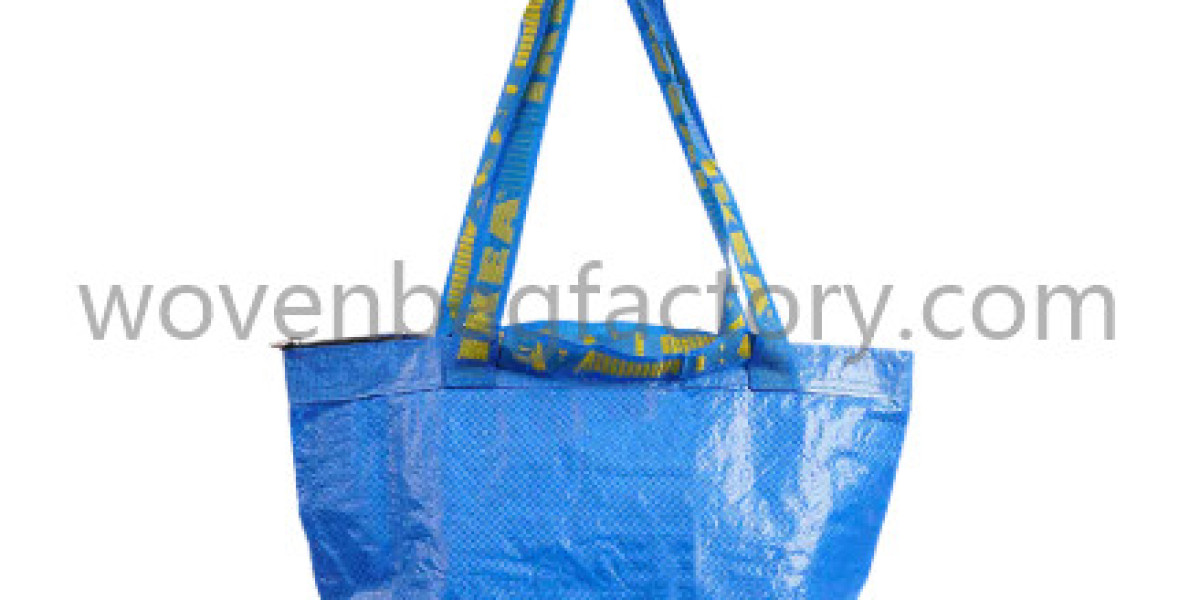

Woven polypropylene material is widely used in flexible packaging because its structure can be adapted to different conversion processes and commercial applications. For packaging converters, a consistent PP Woven Fabric Roll supports downstream operations such as printing, cutting, lamination, and bag manufacturing. Buyers should therefore evaluate fabric characteristics, production stability, and roll handling requirements rather than focusing exclusively on the purchase price.
The material begins with polypropylene resin, which is processed into narrow tapes for weaving. Resin selection influences extrusion behavior and the consistency of the finished tapes. During extrusion, the resin is heated and formed into a thin film. The film is then slit into strips and stretched under controlled conditions. This preparation stage helps establish the material characteristics required for weaving and subsequent conversion.
Once the tapes are prepared, they are fed into weaving equipment. Specialized looms interlace the tapes to create a continuous fabric structure. The weaving process determines the arrangement and consistency of the material, influencing its flexibility, surface appearance, and suitability for packaging applications. Stable equipment operation and controlled production conditions help reduce irregularities that could affect later processing.
Fabric requirements vary according to the intended end use. Material used for agricultural packaging may need to support the production of sacks for grains, seeds, or feed. Other applications may involve construction materials, industrial commodities, or packaging components. Some converters require fabric that can undergo printing or lamination, while others may use the woven material in a more basic form. Buyers should communicate the intended conversion process before placing an order.
Roll formation is an important part of the manufacturing process. Even when fabric quality is consistent, uneven winding or poor edge alignment can create difficulties during storage and conversion. Stable winding helps ensure that rolls can be handled and fed into downstream equipment more efficiently. Manufacturers should monitor roll tension, width consistency, and visible fabric conditions during the winding stage.
Surface characteristics can influence printing and lamination operations. Some packaging designs require additional film layers or surface treatments to support visual presentation and other functional requirements. These processes should be considered during material selection because the characteristics of the base fabric can affect subsequent production. Cooperation between the fabric supplier and converter helps establish a suitable material combination for the intended product.
Quality inspection should take place at multiple production stages. Raw material checks help identify inconsistencies before extrusion. Tape inspection can focus on uniformity and formation, while weaving inspection can identify visible defects or irregular fabric structures. Before shipment, finished rolls should be checked for winding quality, edge condition, and packaging protection. Clear identification of production batches can also support inventory management and communication when repeat orders are required.
Storage conditions can affect the material before it enters conversion. Woven fabric rolls should be handled carefully to avoid unnecessary deformation, contamination, or damage to their surfaces. Appropriate packaging and organized warehouse practices help preserve the material during transportation and storage. Businesses with multiple material types may also benefit from clear roll labeling and batch tracking to reduce confusion during production scheduling.
The manufacturing process should also consider waste reduction and resource efficiency. Accurate production planning can help reduce unnecessary material loss during extrusion, weaving, and winding. Polypropylene can be recycled through appropriate systems, although recycling options depend on local infrastructure and the condition of the material. Buyers should understand the composition of any treated or laminated fabric when evaluating recycling requirements.
Selecting a supplier involves assessing production capability, communication, quality management, and the ability to maintain consistent material characteristics. Buyers should provide information about their equipment, finished packaging design, printing needs, and expected order patterns. This allows suppliers to make recommendations based on actual conversion requirements and helps reduce avoidable production problems.
A reliable fabric supplier supports the wider packaging production chain by providing material that can be processed consistently. HONGYANG focuses on woven packaging materials and related manufacturing processes for commercial applications. Businesses sourcing a PP Woven Fabric Roll can explore further product information and available packaging solutions through https://www.wovenbagfactory.com/product/kraft-paper-bag/.







