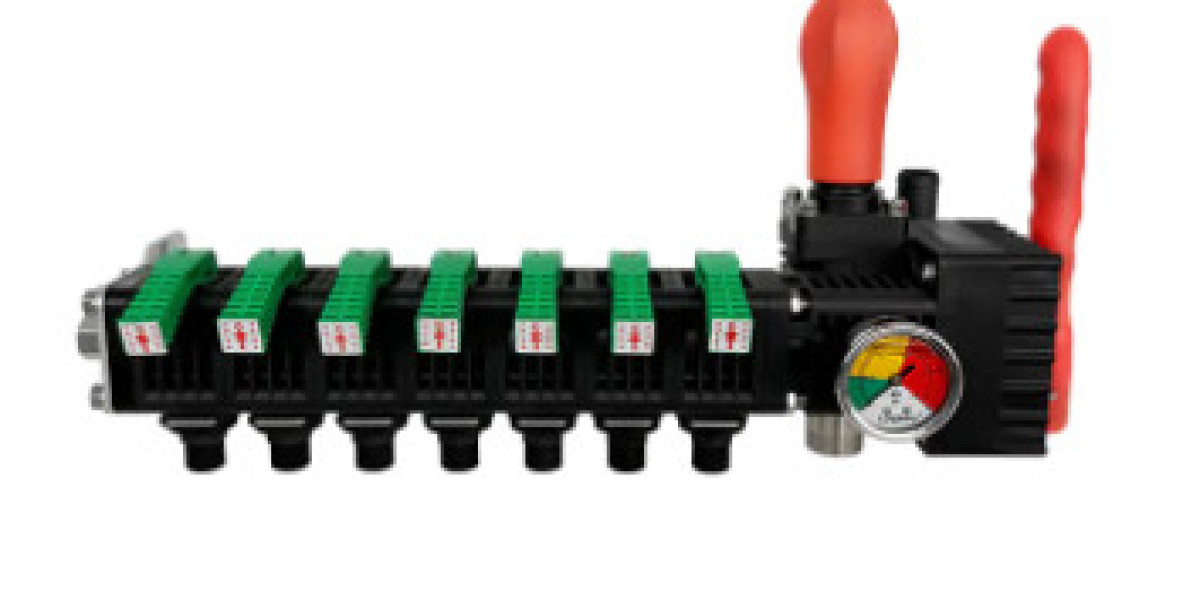

Modern crop production relies on spraying equipment to distribute liquid treatments across fields, orchards, greenhouses, and other agricultural environments. These treatments may include pesticides, herbicides, fertilizers, and specialized crop care formulations. The pump moves liquid from the storage tank into the spraying network, making it essential to the operation of the complete machine. An Agricultural Sprayer Pump must therefore support dependable fluid delivery while working with different liquid properties, equipment configurations, and field conditions. Its design influences how effectively the spraying system performs during regular agricultural operations.
Different pump technologies are used in agricultural machinery, with diaphragm pumps being a common option for applications that require controlled liquid handling. A diaphragm pump works through the movement of a flexible membrane inside a pumping chamber. When the diaphragm moves outward, the chamber creates suction and draws liquid through an inlet valve. During the return movement, the chamber volume decreases and liquid passes through an outlet valve. This repeated cycle produces the flow required by the spraying system. The diaphragm also separates the pumped liquid from the main drive mechanism, which can be beneficial when handling compatible chemical solutions.
Material selection is one of the most important considerations in pump engineering. Agricultural formulations vary in chemical composition, concentration, and physical properties. Some liquids may contain ingredients that interact with rubber, plastic, or metal components. The diaphragm, valve seats, seals, and internal surfaces must therefore be selected according to the intended application. Compatible materials help maintain flexibility, sealing performance, and structural integrity during repeated operation. Buyers should consult material compatibility information before using a pump with a new pesticide, fertilizer, or cleaning solution.
A spraying pump does not operate independently. It forms part of a fluid delivery system that includes a storage tank, inlet filter, hoses, pressure regulator, distribution lines, and spray nozzles. Each component affects the final application. If the inlet filter becomes blocked, liquid supply may be restricted. If a valve becomes worn, the pumping cycle may become less effective. Problems with hoses or fittings can lead to leakage or air entering the system. Proper coordination between the pump and the connected equipment helps maintain consistent delivery and reduces unnecessary operating stress.
The requirements of agricultural spraying vary according to crop type and application method. Equipment used for orchard spraying may have a different nozzle arrangement from a field crop sprayer. Greenhouse systems may also require different distribution layouts and operating practices. These differences influence the type of pump needed and how it should be integrated into the machine. Equipment manufacturers should consider the intended liquid, spraying frequency, distribution design, and maintenance requirements when selecting a pump. Matching the pump to the complete system is more effective than focusing on a single operating characteristic.
Durability is particularly important because agricultural machinery often works in environments with dust, moisture, vibration, and changing temperatures. A strong housing helps protect internal parts, while a stable mounting structure reduces vibration-related movement. The inlet and outlet connections should be securely fitted to prevent leakage. Hoses need sufficient clearance from sharp edges, hot surfaces, and moving components. These installation details may appear simple, but they can have a meaningful effect on equipment reliability over repeated working cycles.
Routine maintenance helps preserve the pump's operating condition. Operators should inspect filters, hoses, fittings, clamps, and visible seals before starting work. Filters should be cleaned regularly to prevent residue from restricting the liquid supply. After spraying, the system should be flushed using a method suitable for the chemical formulation and approved by the equipment manufacturer. Proper cleaning helps prevent deposits from accumulating around valves and inside fluid passages. Operators should also check the diaphragm and valve assembly periodically for signs of wear, deformation, or leakage.
Manufacturing quality contributes to consistent performance. Accurate component processing, suitable material control, careful assembly, and functional inspection help ensure that each pump operates as intended. The diaphragm must move smoothly and maintain an effective seal, while valve components need to control liquid direction reliably. Consistent production processes also support the availability of replacement parts, which is important for distributors and agricultural equipment service providers. Clear product documentation can further help users understand installation, maintenance, and application requirements.
When evaluating pump solutions, agricultural equipment buyers should consider the complete operating environment, including liquid compatibility, system layout, field conditions, and access to maintenance support. These factors help determine whether a pump is appropriate for a particular spraying machine. A well-matched Agricultural Sprayer Pump can contribute to dependable fluid delivery when its construction and materials meet the requirements of the intended application. SHUANG DIN Co Ltd. provides further information about its agricultural pump solutions and engineering capabilities at https://www.agriculturaldiaphragmpump.com/about/.