
In an increasingly complex business environment, achieving success is only one part of building something meaningful. Organizations must also understand how their decisions influence people, resources, economic opportunities, and long-term institutional stability. This requires leaders to look beyond immediate performance and examine the structures that determine how their organizations function.
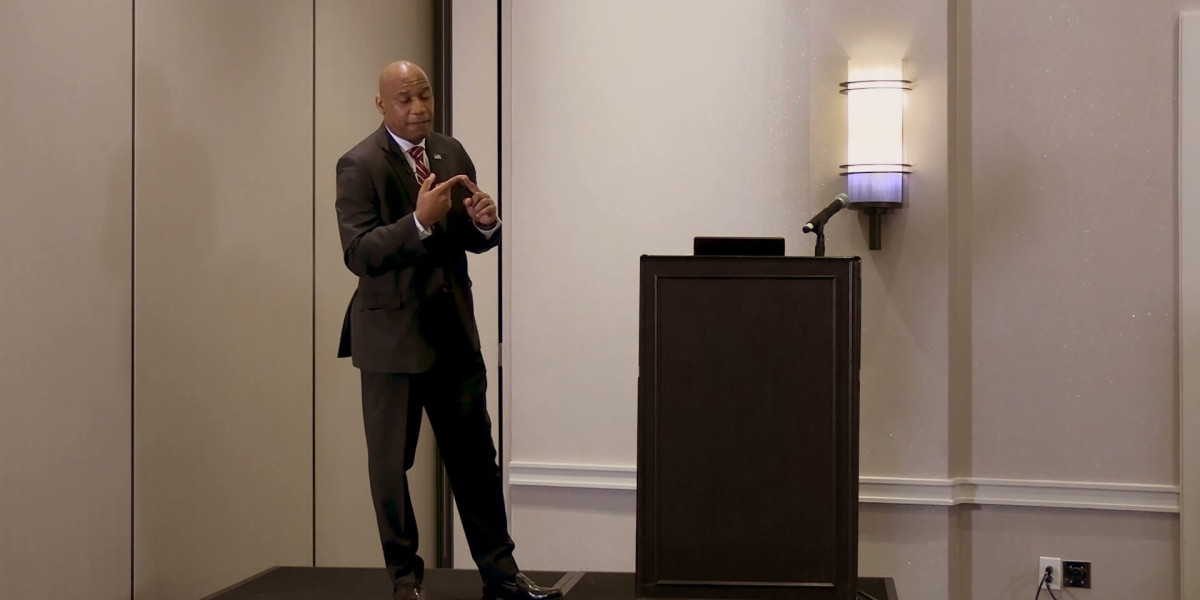
Antomius Wise brings this perspective to the forefront through his work in strategic philanthropy, executive education, governance, and institutional thinking. His professional journey as a former NFL athlete, former U.S. Secret Service Special Agent, MBA graduate, and founder of WPSM.org has shaped an approach that connects individual leadership with broader institutional responsibilities.
Rather than concentrating exclusively on conventional leadership principles, he explores the underlying systems that influence organizational decisions and economic outcomes. His work encourages professionals to develop a deeper understanding of the relationship between governance, incentives, resources, and sustainable impact.
Understanding What Drives Organizational Outcomes
Organizations often evaluate success through measurable indicators such as financial performance, expansion, productivity, and market influence. Although these measurements provide useful information, they do not always reveal the structural conditions responsible for those results.
Behind every organization are decision-making processes, governance arrangements, leadership responsibilities, and economic relationships. When these elements are properly aligned, they can support consistent performance and long-term development. When they are not, even well-resourced organizations may encounter unnecessary obstacles.
Antomius Wise emphasizes the importance of understanding these underlying conditions.
His approach encourages executives and institutional decision-makers to examine questions that are frequently overlooked. Are organizational responsibilities clearly established? Do existing incentives encourage sustainable behavior? Are resources being allocated according to long-term priorities? Can current governance arrangements support future institutional needs?
These questions help shift the conversation from short-term problem-solving toward a broader examination of organizational design.
The ability to recognize these structural relationships is an important part of institutional thinking, particularly for leaders responsible for managing complex organizations and significant resources.
A Professional Background That Informs His Approach
The perspective Antomius Wise brings to executive education is informed by experiences across professional athletics, federal service, and business education.
As a former NFL athlete, he experienced the discipline and preparation required to perform in a highly competitive professional environment. Athletics also provide valuable insight into the relationship between individual performance, organizational expectations, teamwork, and institutional support.
His experience as a former U.S. Secret Service Special Agent introduced him to a different professional setting, where accountability, operational discipline, established procedures, and institutional responsibilities are essential.
He also holds an MBA, adding a business and organizational perspective to his understanding of leadership and economic systems.
These experiences contribute to a professional approach that connects performance with structure. They provide a foundation for examining how institutions establish priorities, distribute responsibilities, and create the conditions necessary for sustainable outcomes.
Through his work as the founder of WPSM.org, Antomius Wise brings these perspectives into educational conversations with executives, wealth professionals, entrepreneurs, and philanthropic leaders.
Why Effective Governance Matters
Governance plays a fundamental role in determining how institutions operate and how their objectives are pursued.
It establishes the principles and arrangements through which authority is exercised, decisions are made, responsibilities are assigned, and accountability is maintained.
For organizations experiencing growth or managing complex responsibilities, these arrangements become increasingly important. Without clear governance, decision-making can become inconsistent, organizational priorities may lose direction, and responsibilities can become difficult to manage.
These challenges are not limited to large corporations. Entrepreneurial businesses, family enterprises, wealth networks, and philanthropic institutions can all benefit from a better understanding of governance.
Antomius Wise approaches governance as a subject that deserves serious consideration within leadership and executive education.
His perspective encourages decision-makers to look at the relationship between organizational objectives and the structures established to achieve them. This includes examining leadership responsibilities, institutional accountability, incentive arrangements, and the long-term consequences of strategic decisions.
A strong understanding of governance allows leaders to consider not only what an organization wants to accomplish but also whether its existing framework supports those ambitions.
Strategic Philanthropy and the Importance of Responsible Resource Allocation
Philanthropy can create opportunities, support communities, and contribute to important social initiatives. However, meaningful philanthropic outcomes require more than the willingness to provide financial assistance.
The effectiveness of philanthropic activity also depends on how resources are organized, how initiatives are governed, and whether the structures supporting them can deliver sustainable results.
Strategic philanthropy brings these considerations together.
It encourages donors, families, philanthropic organizations, and professional advisors to consider the broader implications of their decisions. Instead of viewing charitable contributions as isolated transactions, it examines how resources, institutional responsibilities, and long-term objectives can be aligned.
Antomius Wise explores this subject through an educational framework that connects philanthropy with governance and economic systems.
His approach is relevant to wealth advisors, trust networks, physicians, high-income professionals, and individuals who want to understand the broader considerations involved in creating a lasting legacy.
The conversation extends beyond giving. It includes the importance of institutional planning, responsible resource allocation, accountability, and understanding the systems that influence long-term outcomes.
By approaching philanthropy strategically, decision-makers can develop a more informed perspective on how their resources may contribute to enduring institutional and community value.
Executive Education That Goes Beyond Conventional Leadership Advice
Professional development often focuses on improving individual capabilities, strengthening communication, and developing management skills. While these areas remain important, senior decision-makers also need opportunities to explore the complex systems surrounding their responsibilities.
Antomius Wise addresses this need through keynote presentations, educational programs, and private executive briefings.
His work covers several interconnected subjects, including strategic philanthropy, institutional thinking, governance, economic systems, leadership, and long-term impact.
A central theme of his speaking approach is Make the Invisible Visible. This concept focuses on identifying the underlying structures and relationships that influence outcomes but are not always immediately apparent.
For executive audiences, this creates an opportunity to examine issues from a different perspective. Rather than focusing exclusively on individual actions, participants are encouraged to consider the incentives, institutional arrangements, and economic conditions influencing those actions.
His private executive briefings provide a more focused setting for professional audiences interested in exploring these subjects in greater depth.
These educational engagements can serve several audiences:
Wealth Advisors and Trust Networks: Exploring strategic philanthropy, governance, and institutional considerations that complement existing professional relationships.
Executive Leadership Teams: Examining organizational responsibilities, leadership structures, incentive alignment, and decision-making.
Physicians and High-Income Professionals: Considering the broader relationship between wealth, resource allocation, and long-term impact.
Entrepreneurs and Business Leaders: Understanding how governance and institutional structures contribute to sustainable organizational development.
Universities and Associations: Encouraging informed discussions about economic systems, institutional responsibility, and strategic leadership.
Each audience brings different professional priorities, making tailored educational conversations particularly valuable.
Connecting Economic Systems With Long-Term Institutional Development
Economic systems influence how resources move, how opportunities are created, and how organizations interact with their surrounding environments.
For business leaders and institutional decision-makers, understanding these relationships is essential when evaluating long-term strategies.
Financial resources alone do not determine whether an institution will remain effective. Its governance practices, leadership arrangements, accountability structures, and ability to adapt also influence its future.
The same principle applies to wealth and legacy planning. Building financial value is one consideration; understanding how that value is managed, protected, and directed over time is another.
Antomius Wise brings these interconnected subjects into conversations about institutional development.
His approach encourages professionals to recognize that decisions about leadership, capital, governance, and philanthropy can have consequences that extend beyond immediate organizational objectives.
This broader perspective helps establish a more meaningful discussion about responsibility, continuity, and sustainable institutional impact.
A Broader Vision for Leadership and Lasting Impact
The ability to build something that lasts requires more than professional expertise or financial achievement. It requires an understanding of the systems that support progress and the institutional structures that influence future outcomes.
Through his professional experiences and work with WPSM.org, Antomius Wise contributes to conversations that encourage leaders to examine these often-overlooked dimensions.
His focus on strategic philanthropy, governance, economic systems, and institutional thinking offers a broader way to approach leadership and organizational responsibility.
Whether addressing executive teams, wealth professionals, entrepreneurs, or philanthropic audiences, his educational philosophy emphasizes the importance of understanding the structures behind decisions.
Ultimately, sustainable impact is shaped not only by the goals people establish but also by the systems they create to achieve them. Recognizing this relationship is an important step toward building stronger institutions, making informed decisions, and creating opportunities that extend beyond immediate success.
Through this perspective, Antomius Wise brings attention to an essential aspect of modern leadership: understanding what happens beneath the surface can be just as important as recognizing what is visible.