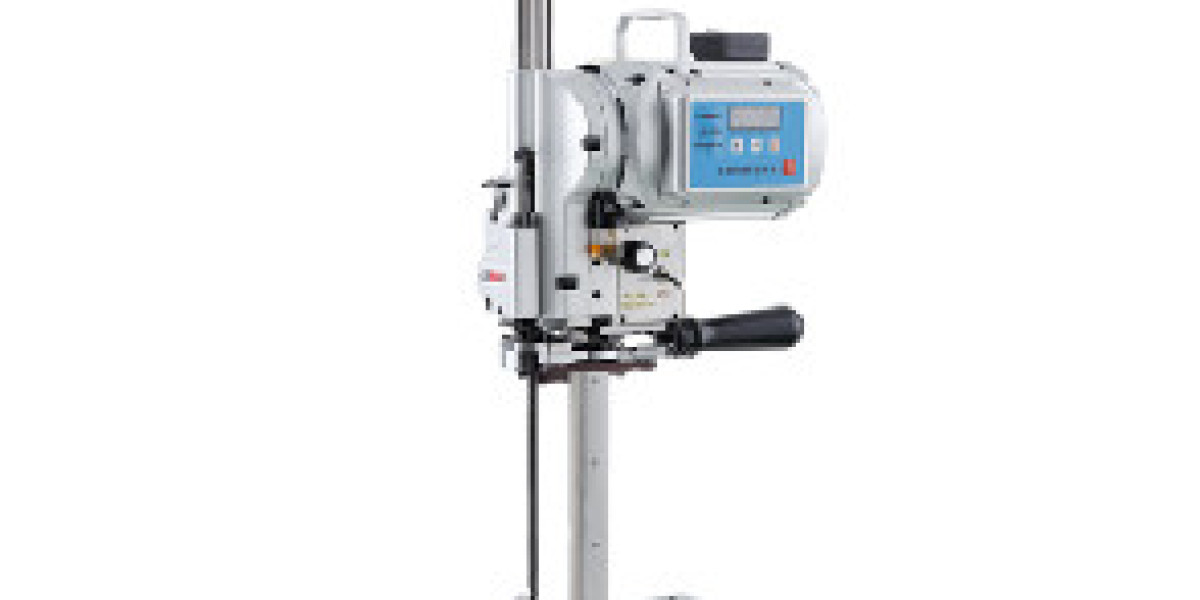

Labels are essential components in clothing, footwear, bags, home textiles, and many other manufactured products. They provide product identification, care instructions, branding information, and other details required throughout the supply chain. As manufacturers increase product variety and shorten production cycles, label cutting becomes an important operation in preparing labels for sewing, packaging, and final assembly. The quality of this process affects both the appearance of the finished label and the efficiency of subsequent manufacturing stages.
Different labels are produced from different materials, including woven fabric, printed textiles, satin, polyester, cotton, and synthetic ribbons. Each material has its own characteristics in terms of flexibility, thickness, surface texture, and edge behavior. Some materials may fray when cut, while others can become distorted if they are exposed to excessive tension. Therefore, manufacturers should select machinery according to the actual material types used in production rather than assuming that one cutting method is suitable for every application.
The structure of a cutting machine influences how consistently labels are processed. A stable frame provides support during operation, while the feeding system helps transport label materials through the cutting area. Accurate positioning is particularly important when labels are produced in large quantities or when specific dimensions are required for garment assembly. If the material shifts during processing, the finished pieces may have uneven edges or inconsistent lengths. Appropriate guides and feeding components help reduce these problems and support repeatable production results.
Cutting technology should also match the construction of the label material. Mechanical cutting systems may be suitable for certain woven and textile materials, while heat-based cutting approaches can be considered when edge sealing is required and the material is compatible. The choice depends on the intended appearance, material composition, production requirements, and downstream sewing process. Manufacturers should evaluate the finished edge carefully because an unsuitable cutting method may cause discoloration, stiffness, deformation, or other unwanted changes.
For factories producing several types of labels, machine flexibility can be an important advantage. Different orders may require changes in label width, cutting length, material feeding conditions, and production quantities. Equipment with practical adjustment functions can help operators switch between production tasks more efficiently. Clear operating controls and accessible adjustment points also make it easier to maintain consistent settings when the same order is processed across different shifts. JEMA provides industrial machinery solutions for garment accessory manufacturing, where practical equipment configuration is an important part of production planning.
Automation can improve the coordination of label processing operations. Manual cutting often requires operators to measure, position, and separate materials repeatedly. This approach may be suitable for small quantities or specialized work, but it can become difficult to maintain consistent output as order volumes increase. Automated feeding and cutting functions help organize repetitive tasks and reduce the amount of manual handling required. The actual productivity improvement depends on material characteristics, machine configuration, operator experience, and the organization of the production line.
Quality control should begin before the cutting operation. Incoming materials should be checked for width variations, surface defects, weaving irregularities, and other issues that could affect the final product. During production, operators can inspect sample pieces to verify dimensions, edge quality, and material appearance. Regular checks help identify changes in feeding alignment or cutting performance before a large quantity of unsuitable labels is produced. This approach can reduce rework and improve coordination between label suppliers and garment manufacturers.
Finished labels are used in many different applications. Clothing producers require labels for brand identification, size information, washing instructions, and composition details. Footwear manufacturers may use labels for product information and internal identification. Bags and luggage often incorporate woven or printed labels as part of their branding and product presentation. Home textile manufacturers also use labels to communicate care information and product specifications. Each application may have different expectations regarding label size, edge finish, material strength, and visual consistency.
The overall workflow should also be considered when selecting machinery. Label materials may arrive in rolls or prepared strips, and finished pieces may need to be collected, counted, sorted, or transferred to sewing stations. A machine should fit the available workshop layout and connect conveniently with surrounding production activities. When cutting and sewing operations are organized effectively, manufacturers can reduce unnecessary transportation and material handling. This can make production scheduling easier, particularly when factories manage multiple customer orders at the same time.
Routine maintenance supports reliable machine operation over time. Feeding rollers, guides, cutting components, and other moving parts should be inspected according to operating frequency and the materials being processed. Dust, fibers, and adhesive residues may accumulate around the working area and affect material movement. Cleaning the machine and checking component condition can help prevent avoidable interruptions. Operators should also follow suitable procedures when replacing cutting components or adjusting the equipment to ensure safe and consistent operation.
Before purchasing machinery, manufacturers should identify their main label materials, production volume, dimensional requirements, preferred cutting methods, and expected future product range. Testing representative materials is useful because the same machine may perform differently with woven, printed, or synthetic label stock. Buyers should also consider adjustment convenience, maintenance accessibility, operator training, and compatibility with existing production processes. These factors provide a more complete picture of equipment suitability than machine speed alone.
As garment manufacturing becomes increasingly diversified, consistent label preparation remains important for product presentation and production organization. Reliable label cutting equipment helps manufacturers prepare components with controlled dimensions and suitable edge finishes while supporting efficient downstream assembly. Companies evaluating industrial machinery for textile and garment accessory processing can explore JEMA's product range at https://www.chinajema.com/product/ to identify equipment relevant to their manufacturing workflows.







