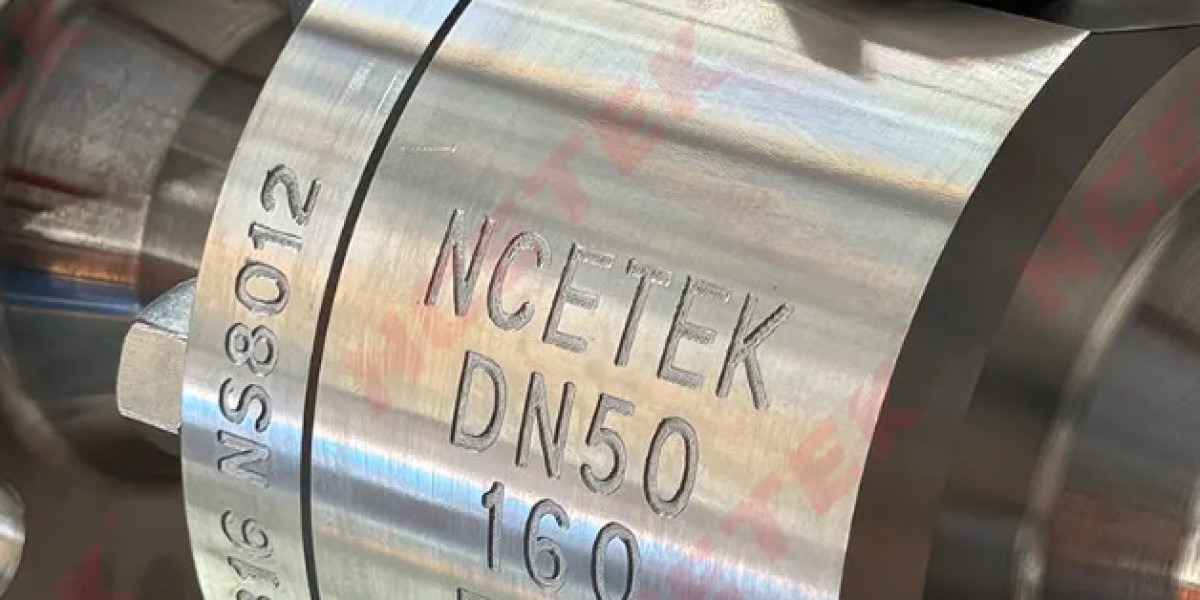

Ball valves are widely used in industrial pipeline systems because their quarter-turn operating principle provides a practical way to control the movement of liquids and gases. When evaluating a Ball Valve Factory, buyers should look beyond product appearance and consider how engineering, material selection, manufacturing processes, and quality management work together to meet different application requirements. These factors influence product consistency, installation compatibility, and long-term operating performance.
The manufacturing process generally begins with understanding the intended service conditions. The type of medium, operating pressure, temperature, pipeline arrangement, and required operating frequency all influence valve selection. These details help determine the appropriate body material, ball structure, seat configuration, connection type, and operating mechanism. A valve designed for a general water pipeline may require a different construction from one used in chemical processing, oil transportation, or high-temperature industrial service.
Material selection is an essential part of valve production. Carbon steel is commonly considered for many industrial applications because of its mechanical properties and broad range of uses. Stainless steel may be selected when corrosion resistance is a priority, while alloy steel can be considered for particular temperature or mechanical requirements. The final material combination should reflect the characteristics of the medium and the expected service environment. A proper technical review helps prevent material mismatches that could affect product suitability.
The valve body forms the main pressure-containing structure and connects the product to the pipeline. Depending on the design, ball valves may use cast or forged body construction. Casting allows manufacturers to produce different body shapes and configurations, while forging may be selected when specific mechanical properties and material characteristics are required. Each manufacturing method has its own considerations, and the appropriate choice depends on valve design, material, production requirements, and applicable standards.
The ball and seat assembly directly influences shut-off performance. The ball needs suitable dimensional accuracy and surface quality to work effectively with the seat. Seat materials are selected according to the medium, temperature, pressure, and required sealing characteristics. Soft-seated structures are used in many general-purpose applications, while metal-seated configurations may be considered for certain high-temperature or abrasive services. No single seat arrangement is suitable for every operating environment.
Manufacturing accuracy is important throughout machining and assembly. Critical components must meet the approved dimensional requirements so that the ball, stem, seats, and body can work together correctly. Machining establishes the necessary contact surfaces and component clearances. During assembly, attention should be given to alignment, stem positioning, sealing interfaces, and operating movement. Consistent production procedures help reduce variation between individual valves and production batches.
Quality inspection provides an additional way to verify product conformity. Depending on the valve design and project specification, inspection may include material verification, dimensional checks, visual examination, pressure testing, and functional testing. The testing scope should correspond to the applicable standards and agreed technical requirements. Buyers should confirm which inspections are included and whether material certificates, test reports, or additional project documents are required.
Different industries place different demands on valve construction. Oil and gas facilities may require products for pipeline isolation and process control. Chemical plants often emphasize material compatibility and resistance to process media. Water treatment systems may prioritize dependable shut-off and convenient maintenance. Power generation and general manufacturing facilities can involve a combination of pressure, temperature, and operational requirements. Understanding the actual application helps manufacturers recommend a more appropriate valve configuration.
Communication between manufacturers and buyers is particularly important for customized projects. Drawings, connection dimensions, material grades, pressure requirements, and operating methods should be clarified before production begins. When actuated valves are involved, the actuator arrangement, operating torque, control method, and available installation space may also need review. OEM and ODM cooperation can include customized structures, marking, packaging, and documentation, subject to engineering assessment and production capability.
A professional Ball Valve Factory should provide more than a selection of standard products. Buyers benefit from a manufacturing partner that can understand application conditions, explain design options, coordinate production, and provide appropriate quality documentation. These capabilities help purchasing teams evaluate product suitability and coordinate with engineering departments, contractors, distributors, and end users.
Before placing an order, purchasers should prepare clear technical information and confirm the intended service conditions. They should also review available product designs, applicable standards, inspection procedures, and customization arrangements. Careful communication during selection can help avoid unsuitable materials, incompatible connections, and unnecessary changes during installation. For industrial valve products and configuration information, visit https://www.ncevalve.com/product/







