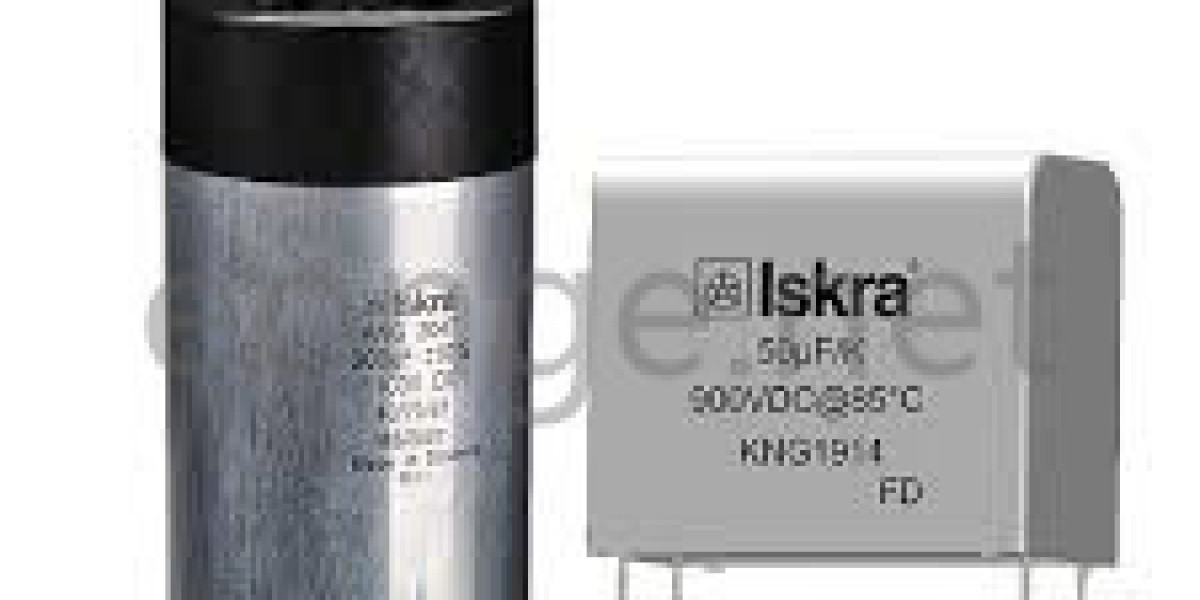

Modern power systems require reliable equipment to maintain voltage stability, manage reactive power, and improve the efficiency of electricity transmission. In substations and industrial distribution networks, a High Voltage Capacitor Unit plays an important role in supporting power factor correction and reducing unnecessary reactive power flow. Its application helps electrical systems operate more efficiently while supporting the stable delivery of electricity to different types of loads.
Capacitors work by storing and releasing electrical energy during alternating-current operation. When connected to a suitable power system, they provide reactive power close to the point where it is needed. This can reduce the reactive power demand placed on transformers, transmission lines, and other electrical infrastructure. By improving the relationship between active power and reactive power, capacitor installations can help reduce current loading and make better use of existing network capacity.
The electrical design of a capacitor unit is central to its performance. Internal capacitor elements rely on dielectric materials to separate conductive layers and withstand electrical stress. The quality of these materials, together with the arrangement of internal components, influences insulation performance and long-term stability. Reliable manufacturing processes help maintain consistent electrical characteristics and reduce the possibility of internal defects during service.
Thermal and environmental protection are also important design considerations. Capacitor equipment may operate in substations, industrial facilities, and outdoor electrical installations where temperature fluctuations, humidity, dust, and other environmental conditions can affect performance. Appropriate enclosure construction and sealing help protect internal components from external influences. Effective heat management supports stable operation, particularly when equipment is exposed to continuous electrical loads.
In utility applications, capacitor installations can help improve voltage profiles across distribution networks. Reactive power demand may vary depending on transmission distance, load characteristics, and operating conditions. Strategically installed capacitor equipment can provide local compensation, helping maintain voltage levels and reduce the burden on upstream power infrastructure. In industrial facilities, it can also support power factor correction for systems containing motors, pumps, compressors, and other inductive equipment.
Selecting the right capacitor configuration requires an understanding of the electrical system. Engineers generally evaluate rated voltage, capacitance, frequency, connection methods, switching conditions, and protection requirements. These factors influence how capacitor equipment interacts with transformers, circuit breakers, reactors, and monitoring systems. Proper coordination helps prevent abnormal operating conditions and supports safe integration into the wider electrical network.
Maintenance is another part of long-term equipment management. Routine inspections can identify enclosure damage, signs of overheating, leakage, or unusual operating conditions. Electrical testing and monitoring help maintenance teams assess whether equipment continues to perform within its intended operating range. Before inspection or servicing, capacitors must be isolated and discharged according to established electrical safety procedures.
As electricity networks develop and industrial power demand becomes more complex, reactive power management remains an important part of electrical infrastructure planning. A properly selected High Voltage Capacitor Unit can contribute to improved power factor, voltage regulation, and reliable power distribution. For more information about electrical equipment and available solutions, visit https://www.eonge.net/product.