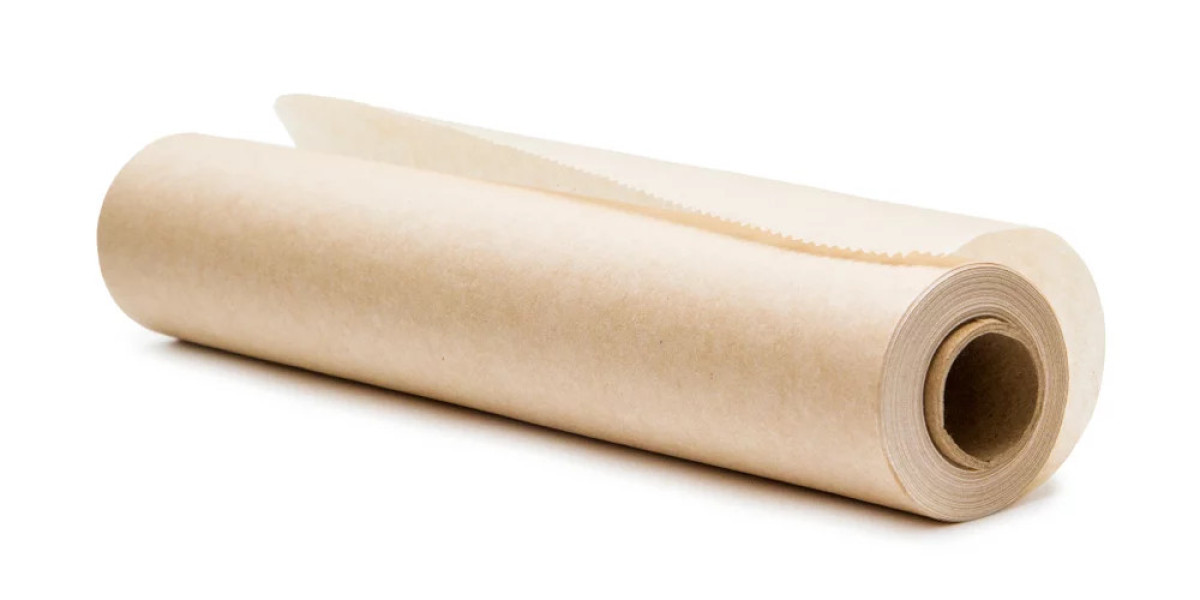

In professional baking environments, choosing the right lining material can influence product quality, production efficiency, and daily kitchen operations. Parchment Paper is widely used because it provides a convenient surface for preparing baked goods while helping reduce sticking and simplifying cleanup. Its combination of a paper base and functional coating makes it suitable for bakeries, food manufacturers, restaurants, and home baking applications where consistent handling is important.
The foundation of baking paper is its base material. Paper quality affects flexibility, strength, surface smoothness, and resistance to handling during preparation. A well-selected base should remain easy to position on baking trays without tearing or becoming difficult to manage. It also needs to maintain sufficient stability when exposed to moisture from dough, butter, fillings, and other ingredients. Manufacturers therefore consider pulp quality, paper formation, and surface characteristics when developing products for different baking environments.
Coating technology is another important factor. Silicone coatings are commonly applied to create a non-stick surface that helps baked products release more easily after cooking. This can be particularly useful when preparing cookies, pastries, bread, and other foods that may otherwise adhere to metal trays or baking molds. The coating also supports more efficient tray turnover because operators can spend less time removing residue between production cycles. Uniform coating distribution is essential, as uneven surfaces may affect release performance and the overall user experience.
Different baking processes place different demands on paper products. A commercial bakery producing cookies throughout the day may prioritize easy release, consistent feeding, and convenient cutting. A pastry kitchen may focus more on flexibility and the ability to fit different tray shapes. Food processing facilities often require stable quality across repeated production batches. Understanding these operating conditions helps buyers select materials that match their actual production requirements rather than relying on appearance alone.
Format selection also affects usability. Baking paper can be supplied in rolls or pre-cut sheets. Rolls offer flexibility because operators can cut the required length according to the size of the tray or production task. They are useful in kitchens and facilities handling different product dimensions. Pre-cut sheets can simplify repetitive work by reducing preparation time and helping maintain consistent coverage. For high-volume operations, the choice between these formats may influence labor efficiency, storage arrangements, and material consumption.
Storage and handling should not be overlooked. Paper products are generally best kept in clean, dry environments away from excessive humidity and direct contamination. Moisture may affect the paper's handling characteristics, while unsuitable storage can make rolls or sheets harder to use. Packaging should protect the product during transportation and warehouse storage. For distributors and food manufacturers, practical packaging can also make inventory management and product identification easier.
When purchasing baking paper in bulk, buyers should evaluate more than price. Important considerations include base paper quality, coating consistency, sheet or roll dimensions, packaging options, and suitability for the intended baking process. Food-contact requirements and supporting documentation should also be reviewed according to the destination market and application. Clear communication between buyers and suppliers helps reduce misunderstandings about product specifications and expected performance.
Customization can be valuable for businesses with specialized production needs. Different facilities may use particular tray widths, roll lengths, sheet formats, or packaging styles. A supplier that can discuss these requirements can help buyers identify a more suitable product configuration. Sampling and application testing are useful steps before placing large orders, especially when introducing a new paper material into an established production line.
Environmental considerations are becoming increasingly relevant in food-related purchasing decisions. Businesses may examine the paper base, manufacturing processes, packaging materials, and available sourcing information when assessing product suitability. Responsible material selection should balance operational performance with the requirements of the intended market. Buyers should request accurate product information rather than relying on broad environmental claims that may not apply to every product configuration.
Reliable Parchment Paper supports a smoother baking process by combining suitable base materials, functional coating, and convenient formats. For bakeries, food manufacturers, and wholesale distributors, selecting the right product means considering the entire workflow, from storage and preparation to baking and product release. Businesses exploring different paper materials and customized solutions can review the available options at https://www.guanghepaper.com/product/ before discussing their specific requirements.







