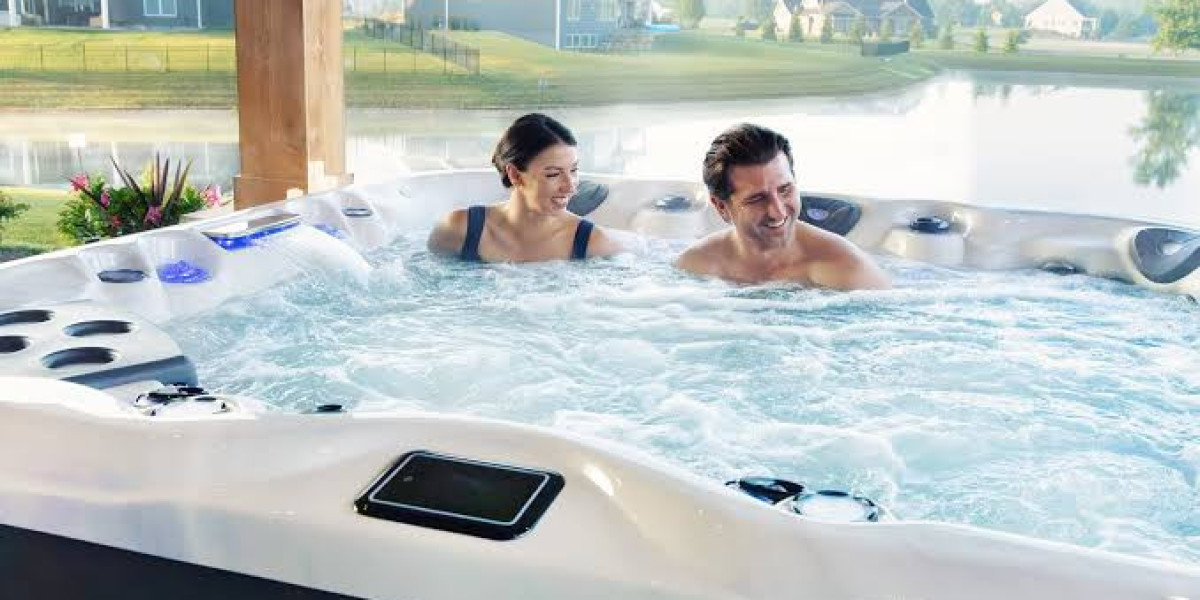

Understanding Different Types of Hot Tub Liners
A hot tub liner is an important part of the spa because it helps contain water, protects the internal structure, and contributes to a comfortable bathing experience. However, not every hot tub uses the same liner material or construction method, which means the correct repair approach depends on the specific model. Some inflatable spas use flexible PVC or similar synthetic materials, while certain portable spa designs have removable interior liners. Other hot tubs use a rigid acrylic shell rather than a flexible liner, and these require a completely different repair process. Before purchasing any repair material, owners should identify the exact surface that has been damaged and check the manufacturer's recommendations. Understanding the construction of the spa prevents wasted money on incompatible adhesives, patches, and repair products while helping ensure that the finished repair is suitable for the conditions inside a hot tub.
Why Choosing the Correct Hot Tub Liner Repair Kit Matters
Selecting a suitable hot tub liner repair kit is an important first step when dealing with a small puncture, minor tear, or damaged vinyl surface. A repair product designed for ordinary household materials may not provide the flexibility and water resistance required for a spa environment. Hot tub surfaces are regularly exposed to warm water, movement, moisture, cleaning products, and chemicals used to maintain water quality. These conditions can affect how an adhesive performs and whether a patch remains securely attached over time. Owners should check whether the product is intended for PVC, vinyl, inflatable spa materials, or another specific surface before applying it. They should also determine whether the repair must be completed on a dry surface or whether the product is specifically approved for underwater use. Reading the manufacturer's instructions is essential because products that appear similar may have different application requirements and material compatibility.
Common Reasons Hot Tub Liners Become Damaged
Hot tub liners can experience damage for several reasons, and identifying the cause is useful before beginning any repair. Sharp objects, rough surfaces, accidental impacts, excessive pulling, and repeated friction can create small punctures or tears in flexible materials. Inflatable spas may also become damaged when they are dragged across rough ground, placed near sharp landscaping materials, or stored without adequate protection. In some cases, a leak may develop around a seam, valve, connection, or fitting rather than through the main liner surface. This distinction matters because applying a patch over the wrong location will not solve the actual problem. Temperature changes, aging materials, improper storage, and excessive pressure can also contribute to deterioration. Regular inspections help owners notice early warning signs before a small issue becomes more difficult to manage or requires replacement of a larger component.
Signs That Your Hot Tub Liner Needs Attention
A noticeable drop in water level is one possible indication that a hot tub liner has developed a leak, although evaporation, splashing, and plumbing problems can produce similar symptoms. Owners should pay attention to damp areas around the spa, visible punctures, loose material, bubbling in inflatable sections, or water appearing near seams and fittings. A flexible liner may also show wrinkles, stretched areas, or small openings that become more visible when the spa is inflated. It is important not to assume that every water loss problem originates in the liner itself. Pumps, hoses, valves, unions, and internal plumbing connections can also leak, sometimes allowing water to travel before it becomes visible. Carefully inspecting the equipment and surrounding surfaces can help narrow down the source. If the damage is difficult to locate or appears to involve electrical equipment, professional assistance is a safer choice than attempting an uncertain repair.
How to Identify the Exact Location of a Leak
Finding the actual source of a leak should happen before purchasing materials or preparing a repair surface. If the hot tub has a flexible inflatable liner, owners can inspect the exterior carefully for visible punctures, damaged seams, and areas where air or water may escape. On suitable inflatable models, a small amount of soapy water applied to the exterior can help reveal escaping air through the appearance of bubbles. The manufacturer should be consulted before using any inspection method that could affect the material or equipment. For a water-filled spa, the owner may need to observe where moisture first appears, rather than assuming that the wettest area is directly above the leak. Water can travel along the outside of a liner or through nearby structures. A careful inspection, combined with the model's service instructions, makes it easier to choose a repair method that addresses the original problem.
Selecting a Repair Product for Flexible Vinyl Materials
Flexible vinyl and PVC materials require repair products formulated to bond with those surfaces while maintaining enough flexibility for normal movement. A suitable patch should be compatible with the liner material and designed for the conditions in which the spa operates. Some products use self-adhesive patches, while others include a separate adhesive and a piece of repair material that must be cut to size. The best option depends on the manufacturer's specifications, the location of the damage, and whether the surface can be cleaned and dried before application. Owners should not assume that every swimming pool patch product is automatically suitable for every inflatable hot tub. Even when two products look similar, their adhesives may have different bonding properties. Checking the packaging and technical instructions helps prevent an unsuccessful repair. A compatible repair material is generally more useful than choosing a product simply because it is inexpensive or advertised for several unrelated applications.
Preparing the Surface Before Applying a Patch
Surface preparation has a major influence on how well a repair patch bonds to a damaged liner. Dirt, body oils, cleaning residue, moisture, and other contaminants can interfere with the adhesive and create weak areas around the patch. If the product requires a dry application, the spa should be emptied or the affected section should be made accessible according to the manufacturer's directions. The surrounding surface should then be cleaned using a method approved for the liner material. Strong solvents, abrasive brushes, rough sponges, and unapproved chemical cleaners can damage certain vinyl surfaces, so they should not be used without confirmation from the manufacturer. Once the area has been cleaned, it should be allowed to dry completely when required by the chosen repair product. Taking sufficient time during preparation helps create a more reliable bonding surface and reduces the possibility of dirt or moisture becoming trapped beneath the patch.
Tools and Materials That May Be Needed
The materials required for a small liner repair depend on the type of spa and the product being used. A typical repair may involve a compatible patch, manufacturer-approved adhesive, clean cloths, scissors, and suitable protective equipment. Some self-adhesive products do not require separate glue, while other systems include a liquid adhesive that must be applied according to specific instructions. Scissors may be useful for shaping a patch, particularly when the repair material needs rounded edges rather than sharp corners. A clean, dry working area is also important because dust and moisture can interfere with the bonding process. Owners should avoid improvising with household tapes, general-purpose glues, or unrelated sealants because these materials may not tolerate hot water or repeated movement. Before starting, it is sensible to compare the instructions on every product with the spa manufacturer's recommendations and confirm that all materials are appropriate for the exact surface being repaired.
Step-by-Step Preparation for a Small Liner Repair
Once the damaged area has been identified and the correct materials have been selected, the repair process can be organized into manageable steps. First, the spa should be switched off and prepared according to the manufacturer's safety instructions. If the repair requires a dry surface, the water must be removed from the affected area and the liner allowed to dry completely. The owner should then inspect the damage to determine whether it is a small puncture or a larger tear that may require professional attention. The patch should be measured and shaped according to the repair product's instructions, ensuring that it covers the entire damaged area with the recommended overlap. The adhesive or self-adhesive backing should be handled exactly as directed, without touching bonding surfaces unnecessarily. Careful preparation is more important than rushing through the process, because even a high-quality patch can fail when applied to an unsuitable or poorly prepared surface.
Applying a Patch to a Small Puncture
A small puncture in a compatible flexible liner may be repairable with a patch specifically designed for that material. The damaged area should be prepared according to the product instructions, and the patch should be large enough to cover the opening with an adequate margin around its edges. If the product requires adhesive, it should be applied in the recommended amount and allowed to reach the correct stage before the patch is positioned. The patch should be placed carefully so that it covers the damaged point without folds, trapped debris, or uneven edges. Gentle and consistent pressure can help the patch make proper contact with the surface, provided the product instructions permit it. Owners should avoid stretching the liner or moving the patch repeatedly after placement. Once the patch is applied, the recommended curing period must be respected before the spa is refilled, inflated, or returned to normal use.
Repairing Small Tears Without Making the Damage Worse
A small tear may require more attention than a single puncture because the damaged material can continue separating when the liner moves. Before attempting a repair, owners should examine the full length of the tear and determine whether the surrounding material remains strong enough to support a patch. A tear near a seam, valve, fitting, or heavily stressed section may require a specialist rather than a simple adhesive repair. If the manufacturer approves a patching method, the repair material should cover the entire damaged section and provide the required overlap on every side. The liner should not be pulled, stretched, or forced into position during application because extra tension may enlarge the opening. A larger tear, repeated leak, or area with weakened material should not be treated as an ordinary minor repair. The purpose of a patch is to restore a suitable small damaged area, not to hide structural deterioration that requires replacement or professional servicing.
Understanding Dry Repairs and Underwater Repairs
Repair products are not all designed to be applied in the same conditions. Some vinyl patches require the surface to be clean and completely dry, while certain specialized products are manufactured for underwater application. These options should never be treated as interchangeable because the adhesive systems and application procedures can differ considerably. A dry repair generally allows the owner to inspect and prepare the affected area more thoroughly, which may make it easier to achieve the required bond. An underwater product can be useful in situations where draining the spa is difficult, but it must specifically state that it is suitable for the material and conditions involved. Owners should also consider whether the product is intended for an inflatable liner, a swimming pool surface, or a different type of vinyl component. Following the exact instructions is essential, particularly when a product specifies a waiting period before the repaired area can be disturbed.
How Long Should a Liner Repair Take to Cure
Curing time is an important part of any adhesive-based repair because a patch may appear secure before the adhesive has developed its intended strength. Different products have different curing requirements, and the correct waiting period depends on the adhesive formulation, surface material, temperature, and application conditions. Some repair instructions specify a short initial setting period, while others require many hours or longer before the repaired surface can be exposed to water or pressure. Owners should never assume that a patch is ready simply because it feels dry to the touch. The manufacturer's stated curing time should be followed without shortening it for convenience. During this period, the repaired section should remain undisturbed and protected from unnecessary movement. If the instructions require a completely dry environment, the spa should not be refilled early. Giving the repair enough time to cure can reduce the likelihood of edge lifting, adhesive failure, or another leak developing shortly after the spa returns to use.
What to Do When a Repair Patch Does Not Stay Attached
A patch that begins lifting at the edges may indicate that the surface was not properly prepared, the adhesive was incompatible, or the liner material is under too much tension. Moisture, dirt, cleaning residue, and an incorrect curing process can also prevent a strong bond. In some cases, the original damage may be larger than it appeared, allowing water or air to escape beyond the area covered by the patch. Owners should avoid repeatedly applying additional glue over a failed repair without understanding why the first attempt did not work. Removing or replacing a patch should follow the product manufacturer's recommendations because aggressive removal can damage the surrounding material. If the liner is stretched, brittle, or separating along a seam, a simple patch may not provide a dependable solution. A qualified spa technician can inspect the area and determine whether a different repair method or replacement component is necessary.
How to Protect the Liner After Completing a Repair
After a successful repair, careful maintenance can help protect the surrounding material and reduce the chance of further damage. The hot tub should be used according to its operating instructions, with appropriate water chemistry and regular cleaning. Owners should avoid placing sharp objects, rough accessories, or equipment against flexible liner surfaces. When entering or leaving the spa, unnecessary pulling and pressure on the sides should be avoided, particularly around repaired areas. Inflatable models should be positioned on a suitable protective base and kept away from sharp stones, branches, exposed metal, and other objects that could puncture the material. The spa should also be stored and transported according to the manufacturer's guidance. A repaired area should be inspected periodically for lifting edges, discoloration, renewed leakage, or changes in the surrounding surface. Preventive care cannot eliminate every possible problem, but it can help reduce avoidable wear and extend the useful life of compatible spa materials.
Common Mistakes to Avoid During Liner Repairs
One common mistake is buying a patch before identifying the material that needs to be repaired. A product intended for a vinyl spa cover may not be suitable for an inflatable liner, and a flexible liner patch is not a substitute for an acrylic shell repair system. Another mistake is applying adhesive to a dirty or damp surface when the instructions require a clean, dry area. Owners may also cut patches too small, leave sharp corners, disturb the repair before it cures, or refill the spa too soon. Using household glue or general-purpose tape can create another problem because these products may not be designed for warm water, movement, or spa chemicals. It is also unwise to ignore repeated water loss or assume that every leak comes from the visible liner. Avoiding these mistakes begins with reading the product instructions, checking the spa manual, and recognizing when the damage is beyond the scope of a simple home repair.
Can a Repair Kit Fix Every Type of Hot Tub Damage
A repair kit is intended for particular types of damage and materials, so it should not be considered a universal solution for every hot tub problem. Small punctures in compatible flexible PVC or vinyl surfaces may be suitable for patching, depending on the product and the manufacturer's instructions. Larger tears, deteriorated seams, damaged fittings, plumbing leaks, and structural problems may require specialist tools or replacement parts. Rigid acrylic hot tub shells are especially different from flexible liners because they require repair materials and finishing methods designed for acrylic or the specific shell construction. Applying a flexible vinyl patch to a rigid shell will not provide the same result as using a compatible shell repair system. Owners should also remember that a leak can originate from a pump, pipe, valve, or connection rather than the liner. Identifying the correct component is therefore more important than simply applying a patch wherever water appears.
When Professional Hot Tub Repair Is the Better Option
Professional assistance is recommended when the source of a leak cannot be identified, the damaged area is large, or the repair involves important structural or mechanical components. A technician can inspect the liner, plumbing, connections, and equipment to determine whether the problem is limited to a small surface opening or connected to a deeper issue. This is particularly important when water appears near electrical components, the control system, pumps, or wiring. Owners should never continue operating a spa when water leakage could create an electrical hazard. Professional service may also be necessary when the liner is badly stretched, the seam has separated, or an earlier repair has failed more than once. Although a minor repair may be manageable at home, repeated unsuccessful attempts can increase the overall cost and cause additional damage. Knowing when to stop and request assistance is part of responsible hot tub ownership and helps protect both the equipment and the people using it.
Checking Product Compatibility Before Making a Purchase
Before purchasing a hot tub liner repair kit, owners should compare the product specifications with the exact material and construction of their spa. The packaging should clearly identify the surfaces it is designed to repair, such as flexible PVC, vinyl, or a particular inflatable spa material. It should also explain whether the product is suitable for wet or dry application and provide clear instructions for preparing the surface. If the spa manufacturer recommends a specific repair product or provides replacement patch material, that guidance should take priority over general online recommendations. It is also worth checking whether the kit includes adhesive, patch material, application tools, and enough material for the size of the damage. A product that is advertised as suitable for swimming pools or outdoor equipment is not automatically appropriate for every hot tub. Confirming compatibility before ordering can prevent delays and reduce the risk of applying an unsuitable repair product.
How Water Chemistry Can Affect Hot Tub Materials
Water chemistry is an important part of spa maintenance because the water inside a hot tub is kept warm and regularly treated with sanitizing products. If the water balance is not maintained according to the manufacturer's recommendations, certain surfaces and components may experience unnecessary wear. Excessive sanitizer levels, unsuitable pH conditions, and the use of unapproved cleaning products can affect some materials over time. This does not mean that every leak is caused by water chemistry, but maintaining the recommended balance helps protect the spa and supports a cleaner bathing environment. Owners should use test strips or an appropriate water testing method and follow the chemical instructions supplied with their hot tub. After completing a repair, they should also check whether the patch manufacturer's instructions specify any restrictions concerning sanitizer exposure or water temperature. Proper water care, regular inspection, and compatible repair materials work together to support the long-term condition of the spa.
Maintaining Inflatable Hot Tubs to Prevent Future Damage
Inflatable hot tubs require special attention because their flexible outer material can be affected by placement, handling, inflation pressure, and storage conditions. The spa should be installed on a level surface that is suitable for its weight and recommended setup. A protective ground mat can help reduce contact with rough flooring, stones, and other objects that might damage the base. Owners should avoid dragging the tub when it contains water and should follow the manufacturer's directions when inflating, deflating, or moving it. Overinflation should also be avoided because excessive pressure can place unnecessary stress on seams and material sections. Before storing the spa, it should be cleaned, dried, folded, and protected according to the manual. These simple practices can help prevent punctures and premature wear. A small inspection before every setup is also useful because identifying damage early can make maintenance easier and help avoid unexpected problems during use.
Caring for Vinyl Covers and Exterior Spa Materials
The outer cover and exterior surfaces of a hot tub may use materials that are different from the interior liner. A vinyl cover, for example, may require a repair product formulated for its own surface construction, while fabric-covered components may need a different adhesive system. Owners should identify the exact material before attempting a repair because a product designed for one surface may not bond properly to another. Cleaning should also be carried out with products approved by the manufacturer, since harsh solvents and abrasive tools can affect the appearance and condition of vinyl. A cover should be inspected for small tears, damaged seams, water absorption, and areas where the material is separating. If the insulating core is damaged or the cover has become waterlogged, patching the outer surface may not restore its original performance. Proper care and timely inspection can help maintain the cover while making it easier to recognize when replacement is more appropriate than repair.
Understanding the Difference Between a Liner Leak and a Plumbing Leak
A hot tub can lose water even when its liner is completely intact, which is why checking the plumbing system is an important part of leak diagnosis. Water may escape from a hose connection, pump seal, valve, filter housing, heater connection, or another component located behind the spa's outer panels. In these situations, a patch applied to the liner will not address the actual source of the problem. Owners can look for visible moisture around accessible equipment areas, but they should avoid opening electrical compartments or handling wiring. If the equipment area is wet, the spa should be shut down safely according to the manufacturer's instructions and inspected by a qualified technician. A professional can perform a more thorough leak assessment and identify whether the problem involves the liner, plumbing, or another component. Correct diagnosis saves time because it prevents unnecessary repairs and helps ensure that the right part of the hot tub receives attention.
Estimating the Cost of a Small Liner Repair
The cost of repairing a hot tub liner depends on the size of the damaged area, the material involved, the type of repair product required, and whether professional service is needed. A minor puncture in a compatible flexible liner may require only a suitable patch and adhesive, making it less expensive than replacing an entire liner or spa component. However, a low-priced product is not always the best value if it is unsuitable for the material or operating conditions. Owners should consider the quality of the repair material, the clarity of the instructions, and whether the product is approved for the intended application. Professional repairs may cost more initially, but they can be worthwhile when the damage is difficult to access or the cause of the leak is uncertain. Comparing the likely repair cost with the price of replacement parts can help owners make a sensible decision based on the spa's age, condition, and expected remaining service life.
How to Test the Repaired Area Before Regular Use
After the recommended curing period has passed, the repaired area should be checked carefully before the hot tub returns to normal operation. The testing method depends on the spa model and the repair product, so owners should follow both sets of instructions. For an inflatable spa, the material may need to be inflated gradually and inspected for escaping air if the repair was made to an air-retaining section. For a water-containing liner, the spa may need to be refilled carefully while the repaired location is monitored for signs of moisture or renewed leakage. Owners should not apply excessive pressure, bend the repaired section, or use the spa before the adhesive is approved for water exposure. If the patch begins lifting or the leak returns, the spa should be taken out of service until the cause has been assessed. A careful test provides an opportunity to identify an unsuccessful repair before the spa is used by family members or guests.
Choosing Between Repairing and Replacing a Damaged Liner
Repairing a small puncture can be a practical option when the surrounding material remains strong and the manufacturer approves the selected repair method. Replacement may be more appropriate when the liner has several damaged areas, extensive deterioration, repeated leaks, or a weakened seam that cannot support a reliable patch. Owners should also consider the age of the spa and whether compatible replacement materials are still available. If the hot tub has a rigid acrylic shell rather than a flexible liner, the decision involves a different repair process and should be evaluated accordingly. A professional inspection can help determine whether the problem is isolated or part of wider material deterioration. Choosing between repair and replacement should involve more than comparing the immediate cost of a patch with a new component. Reliability, safety, manufacturer guidance, and the expected lifespan of the finished repair are all important considerations when making the final decision.
Building a Regular Hot Tub Inspection Routine
A regular inspection routine can help owners recognize small problems before they become more serious. The liner, seams, valves, fittings, cover, and surrounding equipment area should be checked for visible wear, moisture, loose connections, and unusual changes. Inflatable spa owners should pay particular attention to the material around high-stress areas and ensure that the tub is positioned on an appropriate protective surface. Water levels should be observed over time, while normal evaporation and splashing should be considered before assuming that a leak is present. Cleaning and water treatment should follow the manufacturer's maintenance schedule, and any unusual condition should be investigated rather than ignored. Keeping the spa manual, repair records, and product instructions in one place can also make future maintenance easier. A consistent routine does not require complicated equipment, but it does require attention and a willingness to address small concerns before they affect the overall performance of the hot tub.
Final Thoughts on Hot Tub Liner Maintenance and Repair
A damaged hot tub liner does not always mean that the entire spa needs to be replaced, particularly when the problem is a small puncture in a compatible flexible material. The most important steps are identifying the correct surface, locating the true source of the leak, choosing an appropriate repair product, preparing the area properly, and allowing the adhesive to cure according to its instructions. A suitable hot tub liner repair kit can be useful for certain minor repairs, but it should never be treated as a universal solution for acrylic shells, plumbing problems, large tears, or structural deterioration. Owners should always follow the spa manufacturer's guidance and seek professional help when the damage is uncertain or could affect safe operation. For additional advice on hot tub care, maintenance, equipment, and repair options, Chinook Hot Tubs and Saunas encourages owners to make informed decisions that support reliable performance and enjoyable spa experiences for years to come.