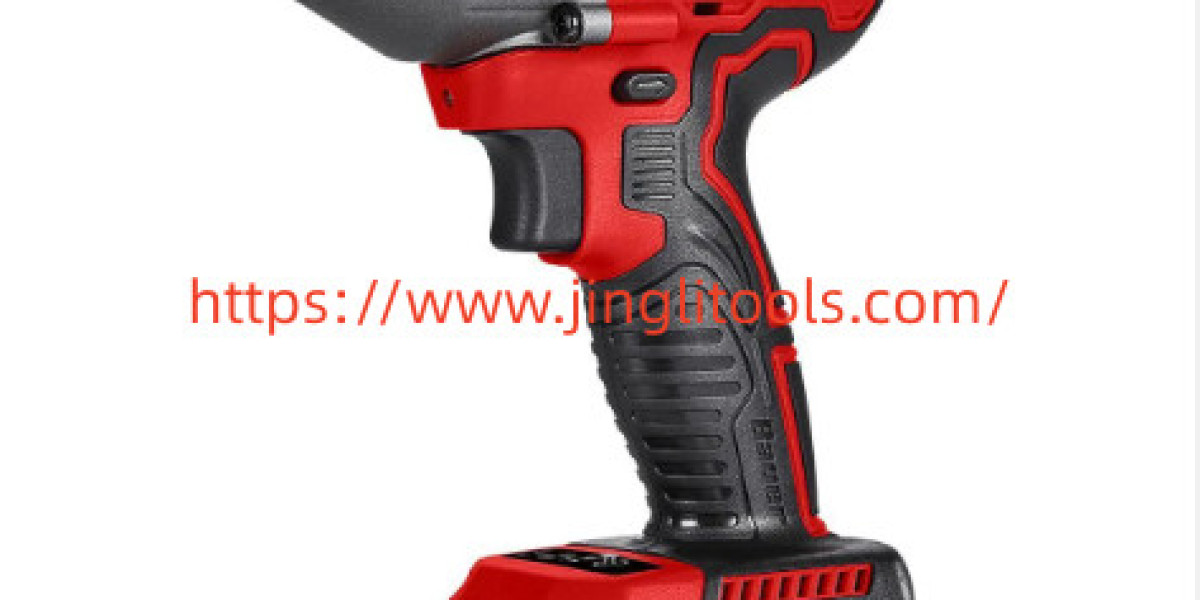

Power Wrenches are used in workshops, equipment maintenance, vehicle servicing, and industrial assembly. For distributors, importers, and professional buyers, choosing a suitable model requires more than comparing product photographs or advertised specifications. The right purchasing decision starts with understanding the intended application, identifying the technical requirements, and reviewing the manufacturer's production and service capabilities. At jinglitools, we recognize that buyers need clear product information to evaluate equipment for their markets and daily operations.
Define the Work Before Comparing Models
The first step is to identify the tasks the equipment will perform. A workshop handling routine vehicle maintenance may have different requirements from a facility assembling machinery or maintaining construction equipment. Fastener dimensions, material types, working frequency, and access conditions can all influence the model selection.
Buyers should prepare a list of common applications before requesting quotations. Consider whether the equipment will be used occasionally, throughout a working shift, or across several workstations. This information helps narrow the available configurations and reduces the risk of purchasing models that do not match actual operating needs.
It is also useful to consider the working environment. Dust, limited access, temperature changes, and continuous operation may affect equipment requirements. A clear application description gives the manufacturer a practical basis for discussing suitable configurations.
Review Torque and Drive Specifications
Torque is an important specification because it relates directly to fastening requirements. Buyers should identify the torque range needed for their regular tasks rather than relying on a single maximum figure. They should also check whether the published value refers to tightening performance or loosening capability, since these measurements describe different operating conditions.
Drive size deserves equal attention. The square drive must match the sockets and fasteners used by the intended customers. If a distributor already supplies accessories in particular sizes, checking compatibility can help simplify inventory management and reduce the need for additional adapters.
Speed settings, impact rate, and control functions may also influence suitability. For applications involving different fastener sizes, adjustable operation can give users more flexibility. Buyers should request complete technical specifications and ask how the figures are measured when comparing models from different suppliers.
Examine Construction and Handling
A product specification sheet does not show every detail of daily operation. Housing materials, internal components, handle shape, grip design, and overall weight can affect handling and service life. Buyers should review product photographs, dimensional information, and available samples when these details are important to their customers.
Operator comfort is another consideration. Equipment used repeatedly during a shift should be practical to hold and operate. A balanced structure and accessible controls may help users manage routine tasks more comfortably. Buyers can also ask about vibration, noise, and safety instructions to understand the operating conditions.
For importers and wholesalers, consistent product construction matters across repeated orders. Ask whether the manufacturer follows documented assembly procedures and checks important components during production. These details can help buyers assess whether a product range is suitable for ongoing distribution.
Check Accessories and Maintenance Requirements
Accessories influence how easily a product can be introduced into an existing workshop. Confirm which sockets, adapters, carrying cases, batteries, chargers, or other components are included in the quoted configuration. Do not assume that two similar product listings contain the same package.
Maintenance information should also be part of the purchasing review. Buyers can ask about recommended inspection intervals, lubrication requirements where applicable, cleaning procedures, and replacement components. Clear instructions help distributors answer customer questions after delivery.
Spare parts availability is particularly relevant for businesses supplying professional users. Discuss the manufacturer's process for handling component requests and product issues. A clear support arrangement can make future orders and customer service easier to coordinate.
Evaluate the Manufacturer and Production Process
A reliable sourcing decision depends on both the product and the company supplying it. Buyers should review the manufacturer's product range, production experience, quality inspection arrangements, and ability to communicate technical information.
It is helpful to ask how incoming materials, assembly operations, and finished products are checked. Buyers may also request inspection records or sample testing information where available. These discussions provide a clearer picture of the supplier's working procedures than a product catalogue alone.
At jinglitools, we understand that overseas buyers may have different requirements for product specifications, packaging, labeling, and order quantities. Sharing these requirements early can help both parties confirm the proposed configuration and discuss practical production arrangements before an order is placed.
Confirm Commercial Details Before Ordering
Before approving a purchase, review the quotation carefully. Confirm the model number, included accessories, order quantity, packaging method, payment terms, estimated production schedule, and shipping arrangements. Make sure the written quotation matches the configuration discussed during communication.
For bulk purchasing, buyers should also clarify whether different models can be combined in one order and whether customized packaging is available. If products are intended for several sales channels, packaging language and labeling requirements may need separate confirmation.
A sample order can be useful when buyers need to assess handling, packaging, or compatibility before moving to larger quantities. Keeping product specifications and agreed requirements in written records can also reduce misunderstandings during repeat purchasing.
For distributors, importers, and industrial purchasers, a structured evaluation process helps connect product specifications with real customer needs. By checking application requirements, torque data, construction, accessories, maintenance, production procedures, and commercial terms, buyers can make a more informed sourcing decision. jinglitools welcomes inquiries from businesses seeking product details and manufacturing cooperation. Buyers can review the available product range and contact the team through https://www.jinglitools.com/product/ to discuss specifications, order requirements, and potential cooperation.