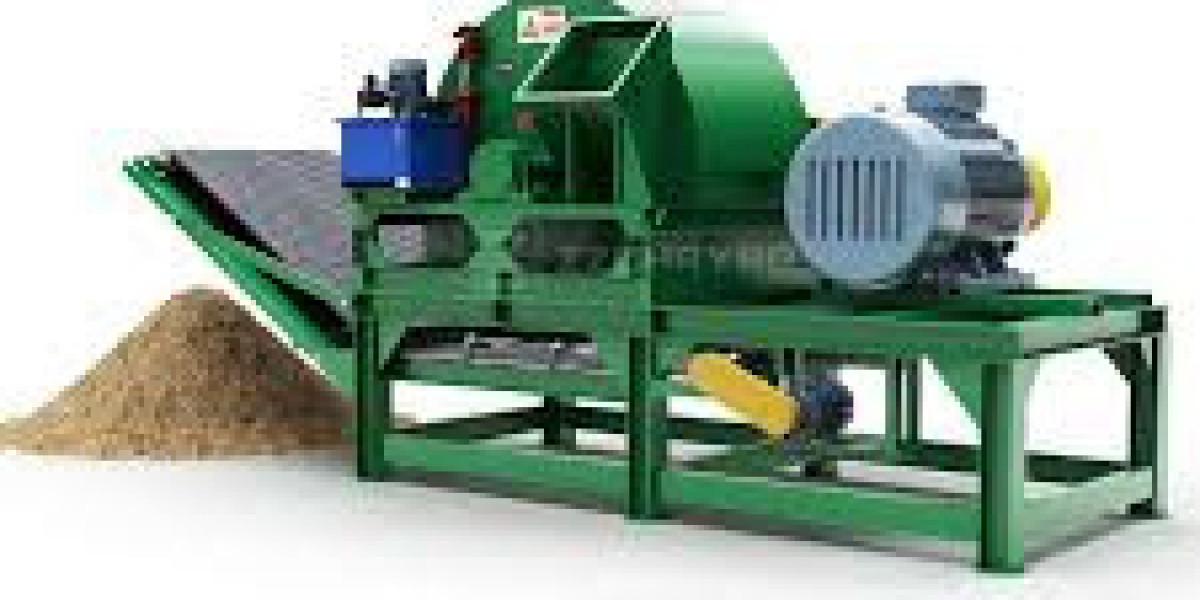

In quarrying, mining, construction, and recycling projects, a Mobile Crusher provides a practical solution for processing materials at different locations. Unlike fixed installations that depend on a permanent production site, mobile equipment can be moved according to project requirements, allowing operators to adapt their processing arrangements as working conditions change. This flexibility is valuable for businesses managing multiple sites, temporary construction projects, and operations where transporting raw materials over long distances would create additional costs and logistical challenges.
The design of mobile crushing equipment combines several mechanical systems into a coordinated processing unit. Feeding equipment delivers raw materials into the crushing chamber, where the selected crushing mechanism reduces their size. Depending on the equipment configuration, screening and conveying systems may also be incorporated to support material separation and transportation. Bringing these functions together helps create a more organized production process and reduces the need to arrange every stage as an independent installation.
Material characteristics are important when selecting suitable equipment. Natural stone, blasted rock, construction waste, and recycled concrete can differ considerably in hardness, moisture content, abrasiveness, and particle shape. These differences influence how materials enter the crushing chamber, how they respond to mechanical force, and how quickly wear components may deteriorate. A suitable configuration should therefore reflect the actual material being processed rather than relying only on general production expectations.
The crushing method is another important consideration. Jaw-based systems are commonly used for primary reduction, particularly when handling large pieces of hard rock. Impact-based equipment can be appropriate for materials that require a different reduction process or a particular particle shape. Cone crushing systems are often incorporated into secondary or tertiary processing stages where further size reduction is required. Understanding these differences helps operators select equipment that matches the complete production process instead of focusing on one isolated operation.
Mobility can also influence the organization of a worksite. In some quarrying applications, the processing position changes as extraction advances. In construction projects, crushing equipment may need to operate near demolition or excavation areas. In recycling operations, it can be advantageous to process discarded materials close to where they are collected. Moving the equipment closer to the material source may reduce repeated transportation and help create a more direct flow between material collection, processing, and reuse.
A well-designed chassis and structural arrangement contribute to dependable operation during transportation and production. The supporting frame must accommodate the weight and movement of the crushing system while maintaining suitable stability during operation. Components such as conveyors, feeding units, hydraulic systems, and access platforms should be arranged to support practical inspection and maintenance. A clear equipment layout can also make it easier for operators to understand material movement and identify areas requiring attention.
Maintenance planning remains essential in demanding environments. Crushing chambers, liners, bearings, belts, and other working components are exposed to repeated mechanical stress. Abrasive materials can gradually change component surfaces, while unexpected foreign objects may interrupt normal operation. Regular inspection, appropriate lubrication, timely replacement of worn parts, and consistent cleaning help reduce avoidable downtime. Easy access to service points is particularly useful when equipment operates at remote locations where maintenance resources may be limited.
Operational safety should be considered throughout equipment selection and site planning. Moving machinery requires suitable clearance, stable positioning, and controlled access around working areas. Guards and protective devices help reduce exposure to moving components, while emergency stopping arrangements support a more controlled response to unexpected situations. Operators should also receive training in startup procedures, shutdown routines, material feeding practices, and routine inspection requirements.
Environmental considerations are increasingly relevant to aggregate and construction material processing. Dust generated during feeding and crushing can affect nearby workers and surrounding areas. Water-based dust suppression, suitable enclosure arrangements, and organized material transfer can help manage airborne particles. Equipment positioning and production planning may also influence noise exposure and the movement of heavy vehicles around the worksite. These factors should be evaluated alongside processing performance.
For businesses comparing different equipment configurations, the overall production process is more important than an individual machine feature. Material properties, required output characteristics, site access, transportation arrangements, maintenance resources, and future project needs all influence the final decision. A properly selected Mobile Crusher can support flexible production while helping operators organize material processing around changing site conditions. For additional information about stationary crushing solutions and related equipment configurations, visit https://www.dmcrushers.com/product/stationary-crusher/ as part of a broader evaluation of suitable processing systems.