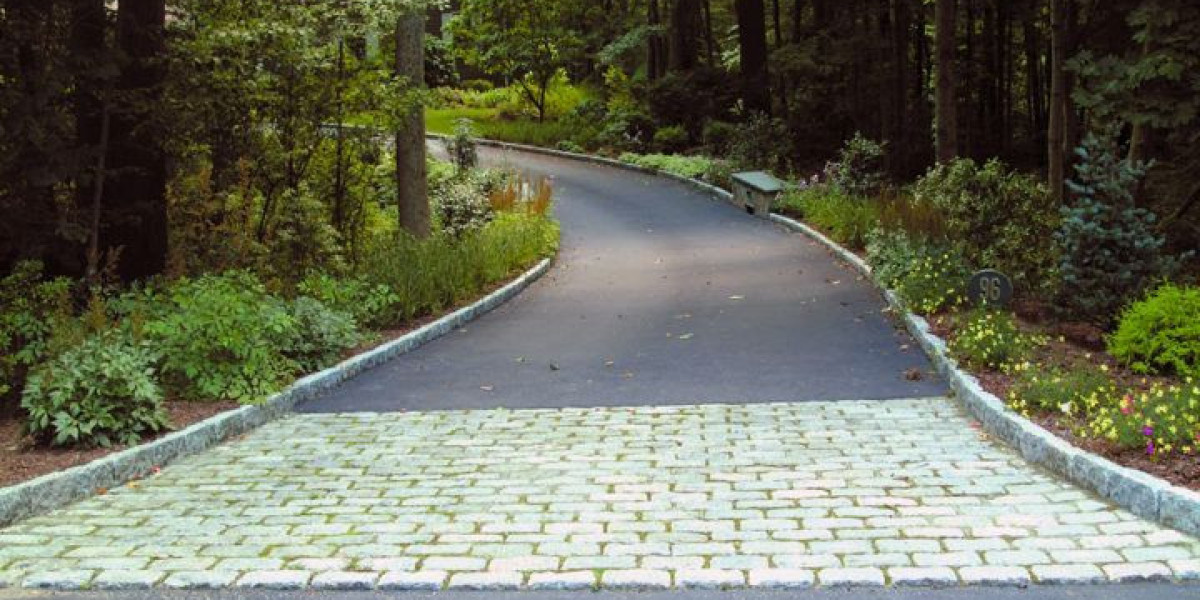

What Is a Belgian Block Patio and Why Choose This Design
A Belgian block patio is an outdoor paved area made with traditional stone blocks, commonly granite, that create a distinctive natural appearance. Homeowners may choose a Belgian block patio to complement traditional architecture, define an outdoor seating area, or add decorative stonework to their landscaping. The natural variations in color and texture allow the surface to create a more rustic appearance than many manufactured paving products. However, traditional Belgian blocks can have a rougher finish and less uniform dimensions than standard patio pavers, so the design should consider how comfortably people will walk and place furniture on the surface. A successful Belgian block patio requires appropriate material selection, foundation preparation, joint planning, and drainage. By considering both appearance and practical use, homeowners can decide whether this type of stone paving is suitable for their outdoor living space.
Belgian Block Patio Designs for Residential Properties
A Belgian block patio can create a defined outdoor area that complements the home, garden, and surrounding landscape. Homeowners can use granite blocks to develop a traditional seating space, a garden courtyard, or a decorative area connected to an existing patio or walkway. The overall appearance depends on the block dimensions, stone colors, layout, edging, and relationship between the paved space and nearby landscaping. Before choosing a design, property owners should consider the intended use of the patio, the furniture that will be placed on it, and how people will move across the finished surface. A Belgian block patio made from irregular or rough blocks may be more appropriate for decorative areas than for spaces requiring a very smooth walking surface. Careful design planning helps homeowners balance natural stone character with comfort, accessibility, and the practical requirements of everyday outdoor use.
Belgian Block Patio and Choosing the Right Granite Blocks
Selecting suitable stone is an important step when planning a Belgian block patio because granite blocks vary in size, texture, shape, color, and finish. Some blocks have relatively consistent dimensions, while reclaimed or irregular stones may require more adjustment during installation. Homeowners should choose materials that suit the intended use of the patio and provide an appropriate walking surface. The stone should also be suitable for outdoor exposure and installed using a paving system designed for the property's conditions. A Belgian block patio can feature gray, charcoal, and other natural granite tones that complement brickwork, concrete, landscaping, and other outdoor materials. Before ordering the stone, it is helpful to review samples and confirm dimensions with the contractor. This preparation makes it easier to estimate material quantities, determine joint spacing, plan the layout, and create a consistent finished appearance without unnecessary material waste or design changes during installation.
Belgian Block Patio for Outdoor Seating Areas
A Belgian block patio can provide a distinctive setting for outdoor seating when the stone surface and layout are chosen with comfort in mind. Homeowners may use the area for outdoor chairs, small tables, garden benches, or a quiet place to enjoy the surrounding landscape. Before installation, the design should consider how furniture legs will rest on the blocks and whether the surface will be sufficiently even for its intended purpose. Traditional Belgian blocks may have rough or uneven faces, so homeowners who want a smooth dining or lounge area should discuss block selection and installation details carefully. A Belgian block patio can also combine a central seating area with smoother adjoining paving where additional comfort is desirable. Proper base preparation and stable placement help limit movement under regular use. By planning the furniture arrangement and walking routes before construction, homeowners can create an outdoor area that looks attractive and remains practical for everyday relaxation.
Belgian Block Patio and Professional Installation Preparation
Proper preparation is essential for a Belgian block patio because the finished surface depends on the stability of the ground beneath the stone. The contractor should assess the soil, existing landscape, patio dimensions, drainage, and any materials that need to be removed before construction begins. Excavation may be necessary to create enough space for the supporting base, bedding layer, and blocks. Unsuitable soil or loose material may need additional preparation to provide adequate support. A Belgian block patio should not simply be laid over soft or uneven ground because movement beneath the blocks can cause settlement, open joints, and irregular walking surfaces. The preparation plan should also consider surrounding pathways, doors, garden borders, and the required finished elevation. Careful site preparation provides the foundation for the entire installation and helps reduce avoidable maintenance problems after the patio is completed.
Belgian Block Patio and Building a Stable Base
A stable base helps a Belgian block patio remain in position under normal foot traffic and changing outdoor conditions. The appropriate foundation depends on the soil, stone dimensions, intended use, drainage, and chosen installation system. In many paving applications, a prepared and compacted aggregate base supports a suitable bedding layer beneath the individual units. However, the exact construction method should be selected according to the project's requirements rather than using the same specification for every site. If the supporting material is poorly compacted or water repeatedly washes it away, the blocks may settle, rock, or become uneven. A Belgian block patio also needs suitable edge support so the outer rows remain properly aligned. Homeowners should ask the contractor how the base will be prepared and how drainage will be managed around the installation. Attention to these details helps create a more stable patio and reduces the likelihood that individual blocks will require repeated adjustment after the project is finished.
Belgian Block Patio and Drainage Planning
Drainage should be considered during the design of a Belgian block patio because water that remains beneath or around the stone can affect the supporting ground. Rainwater may collect in low areas, wash material away from the edges, or move toward nearby buildings if the surface is not graded appropriately. The design should account for roof downspouts, surrounding lawns, garden beds, adjoining paving, and the direction of natural runoff. Depending on the installation method, water may move across the surface or pass through portions of the joint system, so the contractor should select a suitable arrangement for the site. A Belgian block patio should not direct water toward a house foundation or create persistent puddles near entrances. If the property already has drainage problems, these should be assessed before the blocks are installed. Integrating drainage with base preparation helps protect the patio's stability and makes the completed area more practical to use during changing weather conditions.
Belgian Block Patio Patterns and Layout Options
A Belgian block patio can be arranged in different patterns to create a traditional, rustic, or more structured appearance. Straight rows can provide a simple layout, while alternating orientations may create visual variation across the paved area. Homeowners can also use contrasting borders or separate the central patio from garden paths with a different arrangement of stone. The best pattern depends on the dimensions of the blocks, the shape of the patio, the location of seating areas, and the amount of cutting needed around edges. Some patterns may require more labor because the contractor must carefully position individual units and adjust them around curves or transitions. A Belgian block patio should be laid out before installation so that the design finishes neatly along the perimeter and adjoining surfaces. Planning the arrangement in advance helps reduce unnecessary cutting and material waste while ensuring that the finished stonework suits the proportions and architectural style of the property.
Belgian Block Patio with Decorative Stone Borders
Decorative borders can help a Belgian block patio appear more organized by creating a visible edge around the main seating area or landscaped space. Homeowners may choose a contrasting block arrangement, a wider stone band, or a defined perimeter that separates the patio from grass, planting beds, or adjoining walkways. The border should be designed to work with the dimensions of the main paving rather than appearing disconnected from it. Proper edge support is particularly important because the perimeter can be vulnerable to movement if the surrounding soil shifts or water erodes the base. A Belgian block patio may also connect with asphalt driveways, concrete paths, or other stone features, so the border should provide a suitable transition between materials. The contractor should consider finished levels, joint spacing, and drainage around the edges before construction begins. A carefully planned border improves the patio's visual definition and helps create a coordinated appearance across the property's outdoor features.
Belgian Block Patio for Gardens and Landscaped Areas
A Belgian block patio can complement gardens and landscaped areas by providing a defined paved space surrounded by grass, shrubs, flowers, or decorative planting beds. The natural granite appearance can work well with traditional gardens, stone retaining walls, brick features, and other outdoor materials. Homeowners should decide how much of the garden will be paved and how the patio will connect with pathways, seating areas, and the home's entrances. The design must allow suitable water movement so rain does not collect around the blocks or flow toward nearby structures. A Belgian block patio should also be installed with consideration for plant roots, garden soil, and the potential for organic debris to gather in the joints. Regular sweeping and inspection can help maintain the surface, while suitable edging can define the boundary between paving and planting beds. By coordinating the patio with the landscaping plan, homeowners can create an outdoor area that feels integrated with the garden rather than added as an isolated feature.
Belgian Block Patio and Installation Labor Requirements
Installation labor is an important consideration when planning a Belgian block patio because each block must be placed and aligned according to the selected design. The amount of work depends on patio size, stone dimensions, pattern complexity, site access, excavation requirements, and the condition of the existing ground. Straightforward designs may require less detailed adjustment than layouts with curved edges, decorative borders, or irregular reclaimed blocks. The contractor may need to prepare the ground, compact the base, establish finished levels, install bedding material, set each block, complete the joints, and finish the perimeter. A Belgian block patio can therefore require considerable handwork even when the paved area is relatively small. Homeowners should ask what tasks are included in the installation estimate and whether excavation, material delivery, edging, and cleanup are charged separately. Understanding the labor requirements helps property owners compare proposals fairly and evaluate the installation process as part of the complete patio project.
Belgian Block Patio and Estimated Installation Costs
The cost of a Belgian block patio depends on the total area, granite selection, labor, excavation, base construction, joint materials, drainage, and the complexity of the design. Natural stone installations may cost more than some standard patio pavers because blocks often require careful placement and adjustment. Irregular shapes, decorative borders, difficult site access, and extensive ground preparation may further increase the total. A Belgian block patio estimate should cover the complete installation rather than only the purchase price of the stone. Homeowners should ask contractors to identify the materials, dimensions, foundation method, labor, and any additional work included in the quote. Since local pricing and site conditions vary, a professional inspection is more reliable than applying a general cost figure to every project. Comparing detailed estimates allows property owners to understand the differences between proposed materials and construction methods and determine whether the selected design fits their budget and long-term maintenance expectations.
Belgian Block Patio Compared with Conventional Patio Pavers
A Belgian block patio offers a different appearance and surface feel from patios made with standard concrete pavers, brick pavers, or larger natural stone slabs. Belgian blocks are often selected for their rugged texture, natural variation, and traditional character, while conventional patio pavers may provide more uniform dimensions and a smoother walking surface. The best choice depends on the property's design, intended use, maintenance preferences, and desired level of comfort. Homeowners planning an area for dining furniture or frequent barefoot use should pay particular attention to surface texture and evenness before choosing rough granite blocks. A Belgian block patio may work well as a decorative courtyard or rustic feature, but another paving material might be more appropriate for some seating and entertaining areas. Comparing samples and discussing the intended use with the contractor helps property owners understand these differences before committing to the design. This makes it easier to balance visual appeal with everyday functionality.
Belgian Block Patio and Joint Filling Options
Joint filling is an important part of a Belgian block patio installation because the material between individual blocks influences the finished appearance and performance of the paving system. Depending on the design, the installer may use suitable sand, a specialized jointing product, mortar, or another compatible material. The correct choice depends on block dimensions, joint width, drainage requirements, expected movement, and the construction method. Materials intended for one type of paving system should not automatically be used with another because their bonding and drainage characteristics may differ. A Belgian block patio needs joints filled and finished according to the selected system's instructions so the blocks remain properly arranged and the surface looks consistent. Homeowners should ask how the joints will be installed and what maintenance may be needed after completion. Appropriate joint selection and careful application help reduce avoidable gaps and contribute to the finished patio's appearance, although the overall stability still depends on the supporting base and edge restraint.
Belgian Block Patio and Keeping the Surface Clean
Regular cleaning helps a Belgian block patio retain its natural appearance and makes it easier to identify defects that need attention. Outdoor stone can collect dust, mud, leaves, grass clippings, food spills, and other debris from everyday use. Sweeping the surface periodically prevents organic material from accumulating in the joints and reduces the effort required for later cleaning. For more persistent dirt, homeowners should use a cleaning method that is suitable for the stone and joint material rather than immediately applying harsh chemicals or excessive water pressure. A Belgian block patio should also be inspected after cleaning for loose blocks, missing joint material, uneven areas, or signs of water accumulation. Oil and food stains may require specific cleaners, and testing a product on a small area can help prevent unwanted changes in the stone's appearance. Consistent cleaning supports an attractive outdoor setting and allows minor maintenance needs to be noticed before they develop into more extensive problems.
Belgian Block Patio and Preventing Weed Growth
Weed growth can affect a Belgian block patio when seeds settle in joints containing dust, soil, or accumulated organic debris. Moisture and sunlight may allow unwanted plants to develop, particularly around garden beds, shaded corners, and areas where leaves collect regularly. Homeowners can reduce these conditions by sweeping the surface, removing weeds when they first appear, and checking whether joint material has been lost. The appropriate removal method depends on the jointing system and the surrounding landscaping. Belgian block patio maintenance should avoid unnecessarily disturbing the blocks or removing too much joint material while dealing with weeds. If plants repeatedly return in the same location, the property owner should review the conditions allowing debris and moisture to accumulate. Suitable joint maintenance and drainage improvements may help reduce recurring growth. Regular inspection keeps the patio looking tidier and helps prevent small maintenance tasks from becoming more difficult as weeds spread across a larger part of the paved area.
Belgian Block Patio and Preventing Uneven Stone Movement
Unevenness can develop in a Belgian block patio when the supporting base settles, soil moves, water erodes bedding material, or individual units are not adequately supported. Blocks that rock, sink, or sit above neighboring units can affect both appearance and everyday use, especially around seating areas and pathways. Repairing the surface may require lifting the affected blocks, inspecting the foundation, correcting the supporting material, and resetting the stones at suitable levels. Simply tapping a loose block back into place may not resolve the problem if the underlying cause remains. A Belgian block patio should also be checked for drainage issues where water repeatedly enters the joints or washes material from the edges. Property owners should arrange an assessment when movement is widespread or keeps returning after repairs. Addressing the source of the problem helps reduce repeated maintenance and makes it easier to preserve the intended pattern. A stable foundation and appropriate installation practices remain essential to the performance of the entire patio.
Belgian Block Patio for Courtyards and Traditional Outdoor Designs
A Belgian block patio can be well suited to courtyards and traditional outdoor designs where natural materials and rustic finishes are part of the overall style. Granite blocks can create a distinctive visual texture and work alongside brick walls, stone features, decorative planting, and traditional architectural details. The layout may include a central seating area, defined borders, or connections to garden paths and building entrances. Homeowners should consider the size of the courtyard, the amount of shade, the planned furniture, and the desired walking surface before choosing the blocks. A Belgian block patio should be designed so its joints, edges, and transitions appear intentional rather than irregular. Contractors should also account for water drainage and access to doors or adjoining indoor spaces. Planning the patio as part of the overall courtyard design helps create a cohesive outdoor area and allows the stone paving to complement the surrounding architecture while remaining useful for everyday activities.
Belgian Block Patio and Seasonal Weather Conditions
Seasonal weather can influence the condition of a Belgian block patio, particularly when water accumulates around the stone or enters the supporting layers. Rainfall may wash away joint material or erode exposed edges if drainage is inadequate, while freezing and thawing can contribute to movement where moisture is present in vulnerable parts of the installation. Sunlight, temperature changes, and organic debris can also affect the surface's appearance over time. Property owners should inspect the patio after periods of heavy rain or severe weather to check for loose stones, uneven areas, and recurring puddles. A Belgian block patio should be maintained using methods appropriate for the stone and its jointing system, especially when choosing cleaning or de-icing products. Keeping drainage routes clear and addressing movement early can help reduce avoidable seasonal problems. Although outdoor conditions cannot be controlled completely, regular inspection and suitable maintenance allow homeowners to respond to changes before they affect larger sections of the patio.
Belgian Block Patio and Coordinating with Driveways and Walkways
A Belgian block patio can be designed to connect naturally with a driveway, garden path, front entrance, or other paved area around the property. Coordinating these surfaces helps create a consistent outdoor layout and can make movement between different areas more convenient. Homeowners may use matching granite blocks for borders or combine the patio with asphalt, concrete, brick, or other materials to create visual contrast. The important details include finished elevations, joint spacing, edge support, and how water moves across the transitions. A Belgian block patio should not create abrupt level changes or direct runoff toward the house or adjoining structures. Contractors should plan the connections before construction so that the different paving materials fit together properly. Consistent materials can create a traditional appearance, while contrasting surfaces may help define separate areas. Careful coordination allows the patio to function as part of a complete outdoor design rather than an isolated feature that does not match the property's other paved spaces.
Belgian Block Patio and Choosing a Professional Installer
Choosing a suitable installer is important for a Belgian block patio because preparation, alignment, drainage, and joint finishing all influence the final result. Homeowners should ask contractors how the ground will be prepared, which foundation system will be used, how the blocks will be arranged, and how the edges will be secured. The installer should also explain whether the selected granite is appropriate for the intended use, especially if the patio will accommodate furniture or connect with frequently used walkways. A written estimate should describe the materials, measurements, labor, preparation, jointing, and any additional work included. Belgian block patio projects can differ significantly in difficulty depending on the stone dimensions and layout, so comparing complete proposals is more useful than judging only the total price. Reviewing examples of similar work and discussing maintenance needs can help homeowners set realistic expectations. A well-defined installation plan supports better communication and helps ensure the finished surface suits the property's design and practical requirements.
Belgian Block Patio and Long-Term Maintenance Planning
Long-term maintenance helps property owners protect a Belgian block patio and preserve its appearance as the outdoor surface experiences regular use and weather exposure. The maintenance routine should include sweeping away debris, checking the joints, monitoring the edges, and looking for loose or uneven blocks. If water begins collecting in the same location or stones repeatedly shift, the underlying cause should be investigated instead of relying on superficial repairs. Cleaning products should also be selected carefully to avoid damaging the granite or affecting the joint materials. A Belgian block patio may need occasional joint repair or resetting of individual blocks, depending on its installation and condition. Homeowners should keep track of recurring defects because these may indicate drainage issues, base settlement, or excessive movement around the paving. A practical maintenance schedule helps identify concerns early and makes it easier to plan repairs before they affect larger sections. With suitable installation and periodic care, the patio can remain an attractive part of the property's outdoor space.
Belgian Block Patio and Enhancing Property Curb Appeal
A Belgian block patio can contribute to curb appeal by introducing natural stone texture and a traditional appearance to the home's outdoor areas. The granite blocks can complement the driveway, garden, entrance, and surrounding landscaping, creating a more coordinated exterior design. Homeowners may select simple patterns for a restrained appearance or decorative borders to make the patio more distinctive. The result depends on choosing suitable materials, setting the blocks consistently, and coordinating the finished levels with adjoining surfaces. A Belgian block patio should also remain practical for its intended use, because a visually attractive design will be less successful if the walking surface is uncomfortable or drainage is poor. Property owners should consider how the patio will look from the home's main entrance and how it connects with nearby outdoor features. Thoughtful design and regular maintenance help preserve the stone's natural character and create an inviting area that complements the property's overall appearance.
Belgian Block Patio by Harrington Paving
A Belgian block patio can be an attractive outdoor improvement when the stone, design, foundation, and drainage arrangements are selected to suit the property. Whether the goal is to create a traditional courtyard, define a garden seating area, add decorative borders, or connect the patio with adjoining walkways, the installation should begin with a careful assessment of the site. Suitable granite blocks, appropriate base preparation, stable edges, correctly finished joints, and thoughtful water management all contribute to the finished result. Property owners should also consider surface comfort, accessibility, cleaning requirements, and long-term maintenance before choosing the final design. Harrington Paving provides paving and masonry solutions for property owners looking to improve and maintain their outdoor spaces. By planning the project carefully and selecting materials suited to the intended use, homeowners can create an outdoor area that complements the surrounding landscape and provides a practical setting for relaxation, gatherings, and everyday enjoyment.