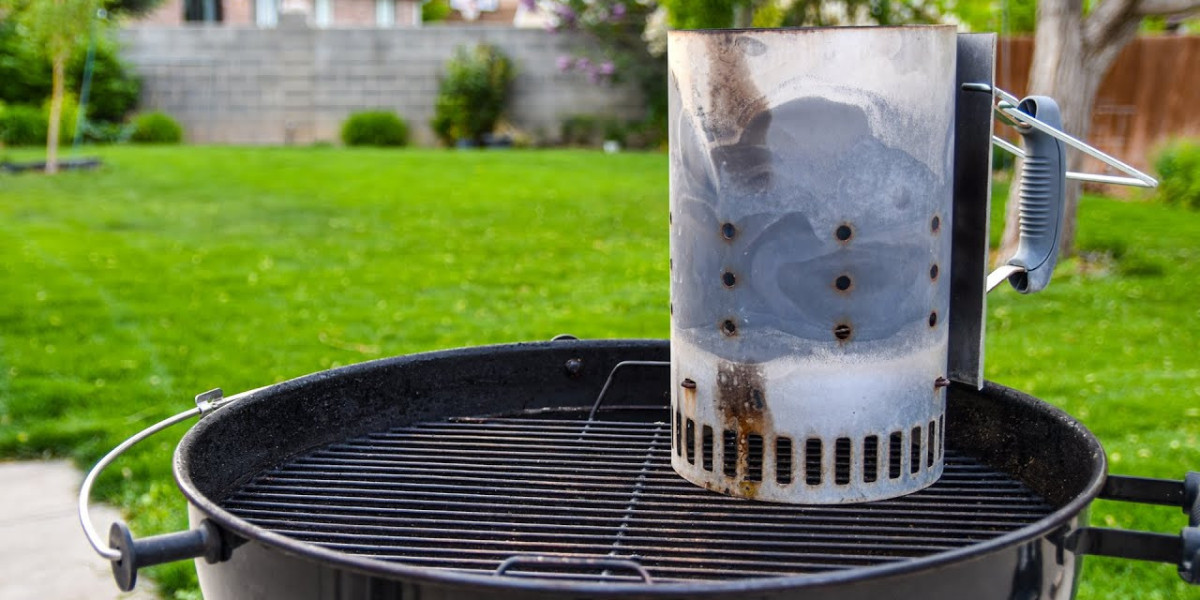

Understanding What a Charcoal Chimney Does
A charcoal chimney is a simple grilling tool designed to help ignite charcoal without relying on lighter fluid. It usually consists of a metal cylinder with ventilation holes, a handle, and an internal grate that separates the charcoal from the space where the fire starter is placed. The design allows air to move through the chimney, helping the charcoal heat more evenly and develop the glowing embers needed for grilling. Many barbecue enthusiasts prefer this method because it offers better control over the lighting process and avoids introducing lighter fluid directly into the cooking fuel. Learning how to use a charcoal chimney can make outdoor cooking more convenient, whether you are preparing a quick weeknight barbecue or hosting friends and family for a longer grilling session.
Choosing the Right Charcoal Chimney for Your Grill
Before lighting charcoal, choose a chimney starter that suits the size of your grill and the amount of food you typically prepare. Smaller models may work well for compact grills and occasional cooking, while larger chimneys can hold more charcoal for bigger barbecues or longer cooking sessions. Look for a sturdy metal body, comfortable heat-resistant handles, secure construction, and ventilation openings that allow air to circulate. Some models include a protective heat shield or secondary handle to make handling easier, although these features do not eliminate the risk of burns. When researching How to Use Charcoal Chimney, remember that the correct equipment is only one part of safe grilling. You should also have a suitable outdoor location, a stable heat-resistant surface, and the protective equipment needed to handle hot charcoal.
Gathering the Supplies Before Lighting Charcoal
Preparing your supplies before starting the fire helps make the process more organized and reduces the need to search for equipment while the charcoal is burning. You will generally need a charcoal chimney, suitable charcoal, fire starters or plain newspaper if recommended for your chimney, a grill with an appropriate charcoal grate, and heat-resistant barbecue gloves. Long-handled tongs can help you arrange the hot coals once they are ready. It is also useful to keep a suitable metal container available for ashes after they have cooled completely. Avoid using gasoline, alcohol, or other flammable liquids to ignite charcoal because they can cause dangerous flare-ups. Check the grill manufacturer's instructions and choose a fire starter that is appropriate for your equipment. Keeping everything within reach allows you to concentrate on the fire and handle the hot materials carefully.
Selecting the Best Charcoal for Your Cooking Needs
The type of charcoal you choose can influence how quickly the fire starts, how much heat it produces, and how long it remains useful for cooking. Lump charcoal is made from carbonized wood and often lights relatively quickly, although its pieces may vary considerably in size. Charcoal briquettes are generally more uniform, making them convenient when consistent fuel sizing is important. Some products contain additional ingredients, so check the packaging if you prefer a particular composition or want to avoid certain additives. The quantity required depends on the grill's size, the cooking temperature, the duration of the session, and whether you are using direct or indirect heat. Avoid overfilling the chimney beyond its intended capacity. Selecting suitable charcoal and following the product instructions can help produce a manageable fire and a more predictable grilling experience.
Preparing a Safe Outdoor Grilling Location
Charcoal should only be lit outdoors in a well-ventilated area because burning charcoal releases carbon monoxide, a dangerous gas that cannot be seen or smelled. Never use a charcoal chimney, barbecue grill, or burning charcoal inside a house, garage, tent, enclosed porch, or other enclosed or poorly ventilated space. Place the grill on a stable, level, noncombustible surface and keep it away from buildings, dry vegetation, fences, overhanging branches, and other materials that could catch fire. Check local fire restrictions and weather conditions before lighting the charcoal, especially during dry or windy periods. Keep children and pets away from the grilling area, and never leave a lit chimney unattended. A carefully prepared location helps reduce the risk of accidental fires while providing enough room to manage the cooking equipment safely.
Filling the Chimney with the Correct Amount of Charcoal
Once the location is ready, place the charcoal inside the chimney according to the manufacturer's recommendations. The amount required depends on the size of the grill and the cooking method you intend to use. Filling the chimney completely may be useful for certain high-heat or longer cooking sessions, while a smaller amount can be sufficient for a compact grill or a shorter meal. Arrange the fuel so air can circulate through the spaces between the pieces rather than packing it tightly. The lower grate should keep the charcoal above the ignition area while allowing heat to rise through the cylinder. Avoid adding materials that are not intended for charcoal grilling. Using an appropriate quantity of fuel makes it easier to control the fire and reduces unnecessary charcoal consumption.
Positioning the Fire Starter Beneath the Chimney
Place a suitable fire starter beneath the chimney in the area intended for ignition. Depending on the product and chimney design, this may involve positioning a fire-starting cube or carefully arranged plain newspaper underneath the lower grate. Follow the starter manufacturer's directions and ensure that the chimney stands securely above the ignition source. Keep your hands, sleeves, and other combustible materials away from the opening while preparing to light it. Do not use liquid accelerants or pour lighter fluid into a chimney containing hot or burning charcoal. These products can ignite unpredictably and cause serious burns. Before proceeding, check that the surrounding area is clear and that you have a safe route for stepping away if the flame becomes larger than expected. Proper placement helps the starter transfer heat to the charcoal without unnecessary handling.
Lighting the Charcoal and Allowing Airflow
Light the fire starter carefully using a suitable long-reach lighter or another method recommended by the product manufacturer. Once it catches, the flame should begin heating the charcoal from below while air enters through the chimney's ventilation openings. The rising hot air supports combustion and gradually helps the charcoal develop glowing surfaces. Avoid moving the chimney unnecessarily during this stage, because disturbing the starter or shifting the fuel can interrupt the ignition process. Do not lean over the top opening or place your face close to the chimney while checking the fire. If the starter fails to ignite, follow the manufacturer's instructions rather than adding flammable liquid. Allow the process to continue in a safe outdoor location while keeping the chimney stable and people at a suitable distance.
Recognizing When the Charcoal Is Ready
One important part of learning How to Use Charcoal Chimney is recognizing the appearance of properly heated charcoal. The time required varies according to the chimney's size, the charcoal type, the quantity of fuel, airflow, and weather conditions. As the charcoal heats, the lower pieces may begin glowing red, while the upper pieces gradually develop gray or white ash on their outer surfaces. Many grilling tasks can begin when a substantial portion of the charcoal is glowing and the pieces have developed an ash coating, although the ideal condition depends on the recipe and cooking method. Do not rely on a fixed time alone because different fuels and conditions can produce different results. Observe the charcoal from a safe distance and use the manufacturer's guidance to determine when it is ready for transfer.
Handling a Hot Chimney Without Getting Burned
A chimney starter becomes extremely hot during use, including its metal body, lower section, and surrounding components. Wear appropriate heat-resistant barbecue gloves and use the chimney's designated handle and secondary grip if provided. Never assume a handle is cool simply because it appears insulated, and avoid touching the metal cylinder with bare hands. Keep your face and body away from the opening when lifting the chimney because hot air, sparks, and glowing ash may escape. Move slowly and maintain a firm grip while keeping children and pets clear of the area. If the handle is damaged, loose, or unstable, do not use the chimney until it can be safely repaired or replaced. Careful handling is essential because dropping a loaded chimney can scatter burning charcoal and start a fire.
Transferring the Glowing Charcoal into the Grill
When the charcoal is ready, carefully lift the chimney using its designated handles and transfer the glowing fuel into the grill according to the equipment instructions. Make sure the grill is stable and positioned where the hot charcoal can be placed without contacting nearby combustible materials. Pour slowly and control the direction of the falling coals to avoid scattering sparks or ash. If the chimney is heavy or difficult to control, do not attempt to rush the transfer. Arrange the charcoal using suitable long-handled tools, creating either a concentrated pile for direct heat or separate areas for direct and indirect cooking. Keep your gloves on and avoid reaching over the glowing fuel. Once the charcoal is positioned, allow the grill to settle into the intended cooking arrangement before placing food on the cooking grate.
Arranging Charcoal for Direct and Indirect Heat
The arrangement of charcoal affects how food cooks and how much heat reaches different areas of the grill. For direct grilling, the glowing coals are generally spread beneath the area where food will be placed, producing stronger heat for foods that benefit from quick cooking. For indirect cooking, the coals can be arranged to one side or in separate zones, leaving another area without direct charcoal beneath it. This arrangement can help cook larger foods more gradually while reducing the risk of burning their surfaces before the centers are ready. The correct layout depends on the grill design, the food being prepared, and the temperature required by the recipe. Use long-handled tools to arrange the fuel and follow the grill manufacturer's recommendations for safe operation. A thoughtful charcoal layout provides greater flexibility when preparing different types of food.
Controlling Temperature After Lighting the Charcoal
Once the charcoal has been transferred to the grill, temperature can often be adjusted by managing airflow and arranging the fuel appropriately. Many charcoal grills have adjustable vents that regulate how much oxygen reaches the burning coals. Opening vents generally allows more airflow and can increase combustion, while reducing airflow may lower the heat, although the response depends on the grill and the amount of fuel. Keep vents clear and make adjustments gradually rather than repeatedly making large changes. Moving charcoal into a smaller area or separating it into different zones can also help create different cooking temperatures. A grill thermometer is useful for monitoring conditions, particularly when a recipe requires steady heat. Avoid closing the grill in a way that conflicts with the manufacturer's instructions or creates unsafe operating conditions.
Using a Charcoal Chimney for Different Grilling Recipes
A chimney starter can be useful for a variety of outdoor cooking tasks, from grilling vegetables and burgers to preparing chicken, fish, and other foods. The amount of charcoal and its arrangement should match the cooking method rather than the food name alone. Foods that cook quickly may benefit from a hotter direct-heat zone, while larger cuts may require a combination of direct heat and indirect cooking. Always follow safe food-handling practices, prevent raw food juices from contaminating cooked items, and use a suitable food thermometer when necessary. The chimney's purpose is to prepare the fuel, not to determine whether the food is fully cooked. Planning the charcoal arrangement before cooking begins helps you manage heat more effectively and makes the grilling session easier to organize.
Common Mistakes to Avoid When Using a Chimney Starter
Several mistakes can make charcoal lighting less effective or increase safety risks. Overpacking the chimney can restrict airflow, while using damp charcoal or unsuitable fire starters may make ignition difficult. Some users try to speed up the process by adding lighter fluid to burning fuel, which can cause dangerous flare-ups and should be avoided. Another common mistake is moving the chimney before the charcoal is ready or lifting it without suitable protective equipment. Placing the chimney on an unstable surface can also create a risk of tipping and scattering hot coals. Avoid using the equipment indoors, even if doors or windows are open, because carbon monoxide can accumulate. Following the manufacturer's directions and allowing the charcoal sufficient time to ignite helps create a safer, more reliable process.
Maintaining Proper Ventilation During Grilling
Airflow is necessary for charcoal combustion, but safe ventilation also involves choosing an appropriate outdoor location. A chimney starter needs clear ventilation openings so air can move through the fuel and support ignition. Do not cover these openings or place the chimney inside a container that restricts airflow. At the same time, avoid lighting charcoal in enclosed or semi-enclosed areas where smoke and carbon monoxide may accumulate. Wind can affect the flame and carry sparks toward nearby objects, so repositioning the setup or postponing grilling may be necessary when conditions are unsafe. Keep the area around the grill clear and supervise the fire throughout the session. Good ventilation supports effective charcoal ignition while reducing avoidable exposure to smoke and dangerous gases.
Cleaning the Chimney Starter After Use
Cleaning should only begin after the chimney and all charcoal have cooled completely. Hot charcoal can remain capable of causing burns or starting fires long after visible flames disappear, so do not assume the equipment is safe to touch immediately after grilling. Follow the manufacturer's instructions for removing ash and cleaning the metal body. Use an appropriate brush or cloth when the equipment is fully cool, and inspect the ventilation openings for residue that could restrict airflow during future use. Avoid using cleaning methods that could damage the metal, handle, or protective components. Store the chimney in a dry, secure place away from children and combustible materials. Regular inspection and sensible care can help extend the tool's useful life and make it easier to prepare for the next barbecue.
Disposing of Charcoal Ash Safely
Ash disposal requires patience because charcoal pieces may retain heat for many hours after cooking ends. Allow the fuel to extinguish completely, following the grill manufacturer's instructions, and do not place warm ashes in ordinary rubbish bins, plastic containers, cardboard boxes, or other combustible receptacles. Once the material is completely cold, transfer it to a suitable noncombustible container and dispose of it according to local waste guidance. Never scatter hot ash into dry grass, garden beds, or wooded areas because hidden embers may start a fire. Avoid pouring water into a hot chimney unless the equipment instructions specifically support the method, as sudden steam and temperature changes may create hazards. Safe disposal protects the property and surrounding environment after the cooking session has finished.
Storing Your Charcoal Chimney Properly
Proper storage helps protect the chimney starter from corrosion, accidental damage, and unnecessary exposure to moisture. Before putting it away, confirm that the metal body, handles, and remaining charcoal are completely cool. Remove ash when safe, check for loose fasteners or damaged handles, and store the equipment in a dry location. Keep it away from children's play areas and places where combustible materials are piled. If the chimney has a removable handle or protective component, follow the manufacturer's guidance for storage and reassembly. Do not place a hot chimney directly on a wooden shelf, plastic surface, or other material that could be damaged by residual heat. A simple storage routine keeps the equipment organized and makes it easier to inspect before the next use.
Choosing Between a Charcoal Chimney and Lighter Fluid
A chimney starter and lighter fluid are different methods of igniting charcoal, but many grill owners choose a chimney because it allows the fuel to be heated without applying lighter fluid directly to the coals. The chimney uses a combination of a starter flame and rising hot air to help the charcoal ignite. This can provide a straightforward way to prepare a batch of fuel for different cooking arrangements. However, a chimney still involves an open flame, very hot metal, sparks, and glowing charcoal, so it must be handled with care. Users should not assume that any ignition method is risk-free. Follow the instructions for the chosen equipment, avoid flammable liquids around burning charcoal, and maintain a safe outdoor setup. Choosing a method that suits your grill and cooking habits can make preparation more manageable.
Making Charcoal Grilling More Efficient
Efficient grilling begins with preparing only the amount of charcoal needed for the planned cooking session. Using too much fuel can create excessive heat and unnecessary ash, while using too little may require another ignition cycle during cooking. Selecting suitable charcoal, keeping the chimney's air openings clear, and allowing enough time for ignition can improve the process. It also helps to organize cooking tools, food, and protective equipment before lighting the fire. Once the coals are transferred, arranging separate heat zones can make it possible to cook several foods at different temperatures. Avoid wasting fuel by leaving the grill unattended or allowing the charcoal to burn longer than necessary. With sensible preparation and careful control, outdoor cooking can become more organized without compromising safety.
Troubleshooting a Charcoal Chimney That Will Not Light
If charcoal fails to ignite properly, first consider whether the fuel is damp, the fire starter is unsuitable, or the chimney's ventilation openings are blocked. Check the equipment only when it is safe to do so, and never reach into a loaded chimney while it is burning. Follow the manufacturer's troubleshooting advice and allow the starter enough time to work. Do not attempt to accelerate ignition with gasoline, alcohol, or additional lighter fluid. If the chimney or handle is damaged, stop using it and replace or repair the equipment according to the manufacturer's recommendations. Wind and rain can also interfere with the lighting process, so postponing the session may be safer than trying to force the fire to start. Identifying the cause of the problem helps prevent repeated unsuccessful attempts and unnecessary risks.
Final Thoughts on How to Use Charcoal Chimney Safely
Using a chimney starter can simplify charcoal preparation by helping the fuel ignite without applying lighter fluid directly to the coals. Understanding How to Use Charcoal Chimney involves choosing suitable charcoal, preparing a safe outdoor location, allowing adequate airflow, recognizing when the coals are ready, and handling hot equipment with appropriate protection. Good grilling practices also include arranging the fuel according to the cooking method, monitoring temperatures, keeping children and pets away from the fire, and disposing of ash only after it has cooled completely. Always follow the instructions supplied with your chimney and grill, and never burn charcoal indoors or in enclosed spaces because of carbon monoxide risks. For homeowners planning outdoor improvements and paving projects, Promaster Maintenance Corp Paving and Masonry can discuss options that help make outdoor spaces practical, attractive, and suited to the property's needs.