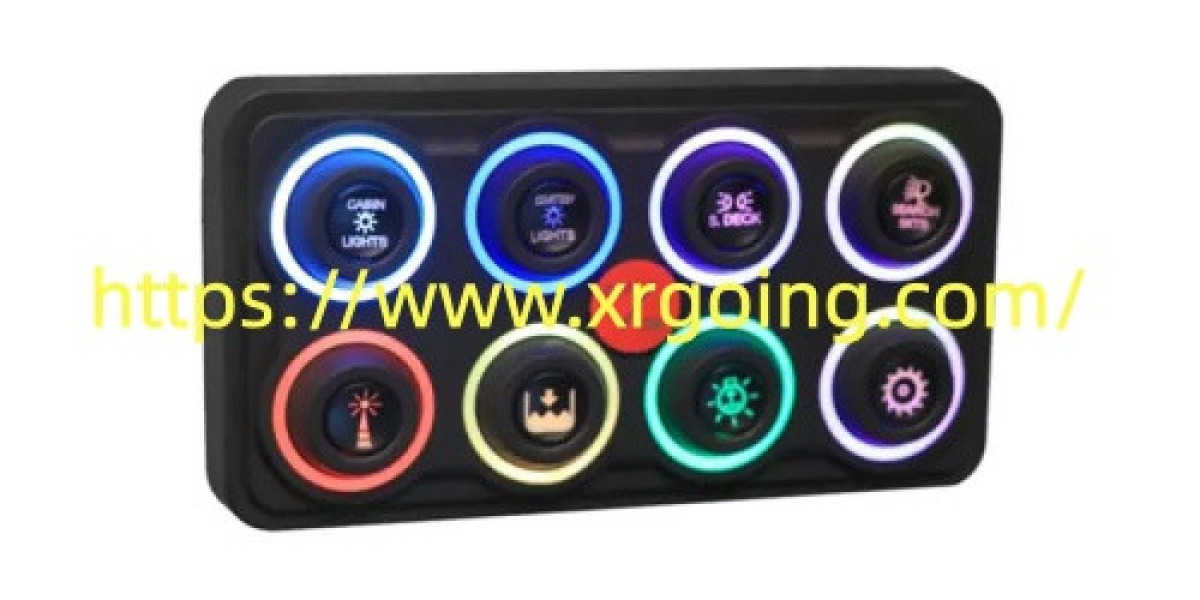

Solenoid Switch selection begins with a clear understanding of the equipment it will serve, the electrical load it must handle, and the conditions under which it will operate. A component used in a vehicle starter circuit may have different requirements from one installed in agricultural machinery, industrial equipment, or a battery powered system. Looking beyond appearance and price helps buyers identify a configuration that fits their actual operating needs. For manufacturers and purchasing teams, preparing these details before requesting a quotation can also make technical communication more efficient.
Voltage compatibility should be checked before comparing individual models. Electrical systems may use 12V or 24V DC, while other applications require different input ratings. The selected component must match the available power supply and the requirements stated in its technical documentation. Voltage fluctuations can also occur when equipment starts, runs under heavy load, or operates with long cable connections. Checking the expected voltage range at the installation point helps buyers avoid problems associated with unsuitable electrical specifications.
Current capacity is another important consideration. A component may be required to manage a starter motor, an auxiliary power circuit, or another electrical load with substantial current demand. Buyers should distinguish between continuous current ratings and short duration ratings rather than treating them as interchangeable. The load characteristics, expected operating frequency, and duration of each activation should all be considered. Where a motor is involved, its starting current may differ considerably from its normal running current. Reviewing these details with the supplier can help establish suitable requirements before production or purchasing begins.
Physical compatibility deserves equal attention. Even when electrical ratings appear suitable, a component may not fit the existing mounting position or connection arrangement. Measure the available installation space, review terminal locations, and confirm the required cable sizes and connection types. Equipment manufacturers may also need to consider access for inspection or future replacement. A small difference in dimensions can create additional work during assembly, especially when a product is being incorporated into an established production line.
The operating environment can influence the choice as well. Agricultural machines may encounter dust, moisture, and vibration, while vehicles can experience temperature changes and repeated electrical loads. Industrial installations may require additional consideration of enclosure design, ventilation, and nearby sources of heat. Buyers should examine the stated environmental ratings and confirm whether extra protective measures are necessary. No single configuration should be assumed suitable for every setting simply because the basic electrical ratings appear compatible.
Operating frequency is another factor worth discussing. Some applications activate a component only occasionally, whereas others require repeated operation throughout a working day. Frequent activation can affect temperature rise, mechanical wear, and maintenance intervals. Buyers should check the rated operating cycle and any limitations on continuous energization. If the equipment runs for extended periods, thermal performance deserves particular attention. Providing the supplier with a realistic operating schedule can help narrow the available options and reduce uncertainty during product selection.
For purchasing teams, documentation is often as important as the physical product. Technical drawings, wiring diagrams, dimensional information, material specifications, and inspection records help engineers assess compatibility before accepting a quotation. It is also useful to confirm the required quantity, packaging method, delivery schedule, and any customization needs. If the component will be used in a new design, requesting samples for evaluation may help the engineering team check fit and function before placing a larger order. Testing should follow the relevant equipment requirements and applicable safety procedures.
Price comparisons should account for the complete purchasing process rather than the unit price alone. Differences in connection design, materials, inspection arrangements, packaging, and order quantities can influence the final project cost. Buyers should clarify which specifications are included in the quoted configuration and which requests may require additional development. Clear communication at this stage helps both parties work from the same technical expectations and makes repeat orders easier to coordinate.
Xiangrui supports buyers looking for electrical components suited to specific equipment and manufacturing requirements. Before making a purchasing decision, prepare the expected voltage, current demand, installation dimensions, operating frequency, and environmental conditions so the proposed configuration can be assessed against the intended application. Reviewing these points with a manufacturer can help streamline product evaluation and procurement planning. To review available product information and discuss your requirements, visit https://www.xrgoing.com/product/ and explore the options relevant to your project.