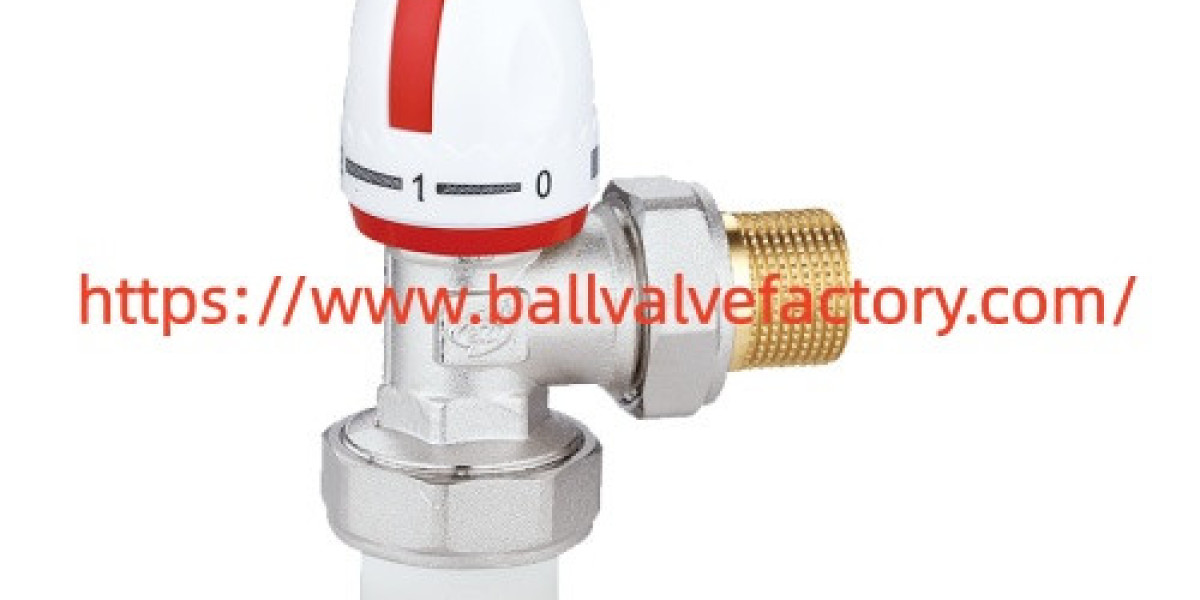

Brushed Chrome Radiator Valves are attracting attention in home renovations because small finishing details can influence how a room feels as a whole. When homeowners update a bathroom, replace an older radiator, or refresh a living space, they often spend time choosing wall colours, flooring, taps, handles, and lighting. The valve may seem like a minor component, yet it remains visible beside the radiator and can either complement the surrounding design or look out of place. A softer metallic finish offers another option for people who want a coordinated interior without relying on a bright, mirror like shine.
One reason this finish appeals to renovation planners is its understated appearance. Polished chrome reflects light sharply, which can suit crisp contemporary interiors. A brushed surface has a more restrained sheen, bringing a quieter visual effect to the room. It can work with pale walls, natural wood, stone textures, muted grey palettes, and a range of modern bathroom fittings. Rather than becoming the centre of attention, the valve can sit comfortably among other details while still looking considered.
That flexibility can be useful when a renovation brings together several materials. Imagine a bathroom with warm beige tiles, a white towel radiator, oak storage, and metal tapware. A softly finished valve may help connect these elements without introducing another strong colour. In a living room, the same approach can suit a simple panel radiator against a neutral wall, especially when door handles or cabinet hardware have a similar metallic tone. The aim is not to make every fitting identical, but to create a visual relationship that feels intentional.
Appearance is only part of the decision, however. Before choosing a finish, homeowners should confirm the valve style required by the existing pipework. Straight, angled, and corner configurations are designed for different connection arrangements, so the direction of the pipes and the position of the radiator inlet matter. A valve that looks right in a product photograph may not suit the installation. Measuring the available space and checking the product specifications before ordering can help avoid delays and unnecessary returns.
Control type deserves attention as well. Manual valves are adjusted by hand, while thermostatic models can regulate radiator flow in response to the surrounding room temperature. Which option makes sense depends on the heating system, room usage, and the level of control required. A frequently used living room may have different needs from a guest bedroom or a bathroom. Buyers should check whether the selected model is compatible with their heating setup and whether the package includes the matching components needed for installation.
Maintenance is another practical consideration during renovation planning. Brushed metallic finishes can make some everyday marks less noticeable than highly reflective surfaces, although the result depends on the finish and lighting. Dust, splashes, and residue can still accumulate around the valve, particularly near a sink or towel rail. Follow the manufacturer cleaning guidance and use a soft cloth with a suitable mild cleaner. Abrasive pads and harsh chemicals may damage the surface, so it is sensible to check care instructions rather than assume every metallic finish can be cleaned in the same way.
For manufacturers and buyers alike, consistency across a product range can also make planning simpler. A coordinated finish across the visible valve body and related components helps avoid a patchwork appearance once the radiator is installed. Qixiang offers buyers a starting point for considering heating fittings as part of a wider interior plan, with attention to product details and the intended application. When comparing options, it is worth reviewing dimensions, connection requirements, finish descriptions, and available control configurations instead of relying on appearance alone.
The most satisfying renovation decisions often come from balancing design with practical details. A carefully selected valve should suit the radiator, connect correctly to the pipework, and fit the way the room is used every day. If you are planning a new installation or updating existing heating fittings, review the available product options from Qixiang at https://www.ballvalvefactory.com/ and compare the specifications with your project requirements before making a selection. A little preparation can help the final details feel like a natural part of the room rather than an afterthought.