
Manufacturers across diverse industries need metal materials that can withstand their operating environments while supporting efficient production. When evaluating Stainless Steel Strip, purchasing teams and engineers should consider corrosion resistance, material composition, processing compatibility, surface quality, and the requirements of the finished component. These factors influence how effectively the material performs in applications ranging from household products and electrical components to industrial equipment and precision assemblies.
Stainless steel derives much of its corrosion resistance from chromium, which helps form a protective oxide layer on the material's surface. The effectiveness of this protection depends on the steel grade, environmental conditions, surface condition, and maintenance practices. Other alloying elements can influence characteristics such as strength, formability, and resistance to particular corrosive environments. Selecting an appropriate grade therefore requires more than choosing a material simply because it is described as stainless steel.
Material selection should begin with the conditions the finished product will encounter. Components exposed to moisture, cleaning agents, or changing environmental conditions may require different material characteristics from parts used in dry indoor equipment. Manufacturers should also consider whether the strip will undergo bending, stamping, welding, or additional surface treatment. Understanding these requirements helps buyers balance corrosion resistance with mechanical properties and processing needs.
The production route influences the quality of the finished strip as well. Rolling processes help establish material dimensions and surface characteristics, while annealing may improve ductility and relieve stresses depending on the production requirements. Subsequent finishing and cleaning can affect surface appearance and suitability for further processing. Each stage must be coordinated with the intended application because variations in material condition can influence forming behavior, component fit, and the consistency of finished products.
For purchasing professionals, selecting a supplier involves evaluating more than commercial terms. Buyers should discuss the intended application, required steel grade, forming operations, surface expectations, and storage conditions before choosing a material. Reviewing product documentation and inspection practices can help establish whether the supplier's processes align with the manufacturer's quality requirements. Clear communication is particularly important when material will pass through several production stages or become part of a component with demanding functional requirements.
Supplier consistency also matters when manufacturing programs rely on repeat orders. Variations between deliveries can require changes to tooling settings, production procedures, or inspection routines. Buyers can therefore ask about batch identification, quality monitoring, packaging, and how material characteristics are maintained during production. Appropriate packaging helps protect surfaces against contamination, moisture, and physical damage during transportation and storage, preserving the material's condition before it reaches the production line.
The functional advantages of stainless steel strip become apparent in manufacturing operations where predictable behavior is important. Depending on the grade and material condition, the strip may be suitable for stamping, bending, forming, or cutting into components with defined shapes. Consistent material behavior helps operators maintain production routines and reduces the need for repeated adjustments. However, corrosion resistance alone does not determine suitability; strength, ductility, work hardening, and compatibility with the selected manufacturing process must also be considered.
Modern metal processing combines rolling, heat treatment, finishing, and inspection to achieve the characteristics required for specific applications. Process monitoring helps manufacturers identify variations that could affect surface condition or subsequent forming operations. In precision-oriented production, edge quality and surface consistency can be especially important because irregularities may interfere with component alignment or become visible after finishing. Understanding these production factors helps buyers evaluate material quality in relation to real manufacturing needs.
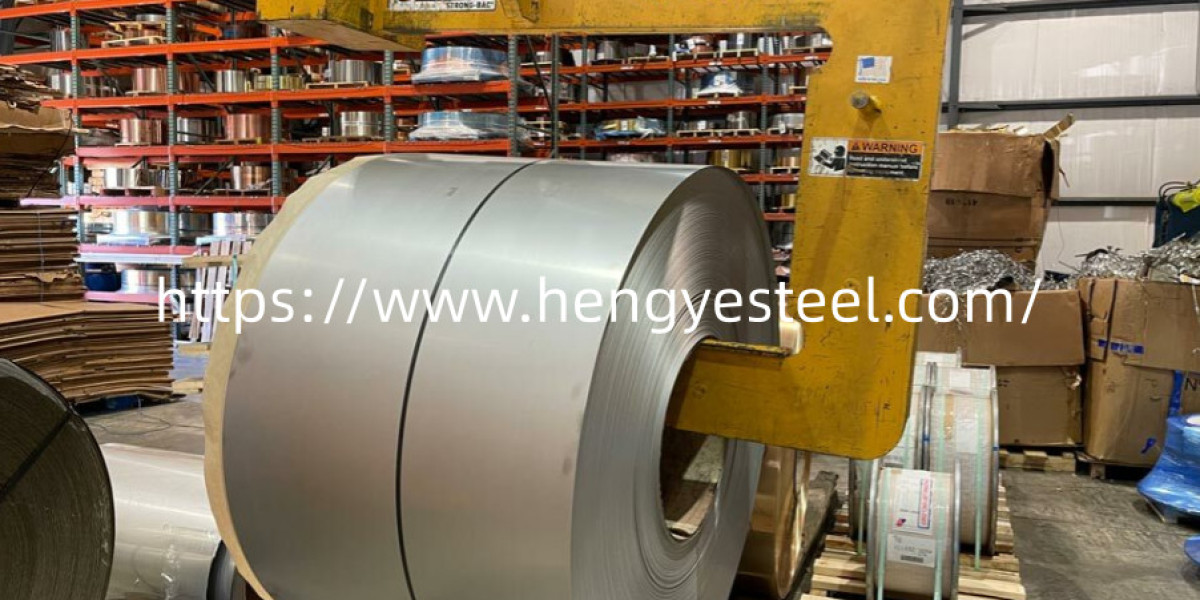
The everyday experience of working with stainless steel strip also depends on practical handling considerations. Clearly identified coils and organized packaging help warehouse teams distinguish material grades and production batches. Protected surfaces reduce the likelihood of scratches and contamination, while appropriate handling procedures help prevent edge damage. For production personnel, these details support smoother material feeding, easier inspection, and more efficient coordination between storage and manufacturing operations.
Appearance plays a significant role when stainless steel remains visible in the final product. Its natural metallic finish can complement contemporary appliances, architectural details, kitchen equipment, and decorative components. Different surface finishes create different visual effects, from reflective appearances to softer, brushed textures. The appropriate choice depends on the product's design, cleaning requirements, exposure to fingerprints, and the expectations of its intended users. Surface appearance should be evaluated alongside functional requirements rather than treated as an isolated design decision.
Design flexibility allows manufacturers to incorporate stainless steel strip into products with varied shapes and finishes. Consistent surface quality can support more uniform visual results across production batches, while suitable forming characteristics help designers develop components that fit the intended structure. Dongyang Hengye Steel Strip Co., Ltd. provides steel strip products for industrial manufacturing applications, supporting businesses that need to evaluate material characteristics for different production requirements. Manufacturers, distributors, and purchasing teams can explore its product offerings and learn more about its steel strip solutions at https://www.hengyesteel.com/.