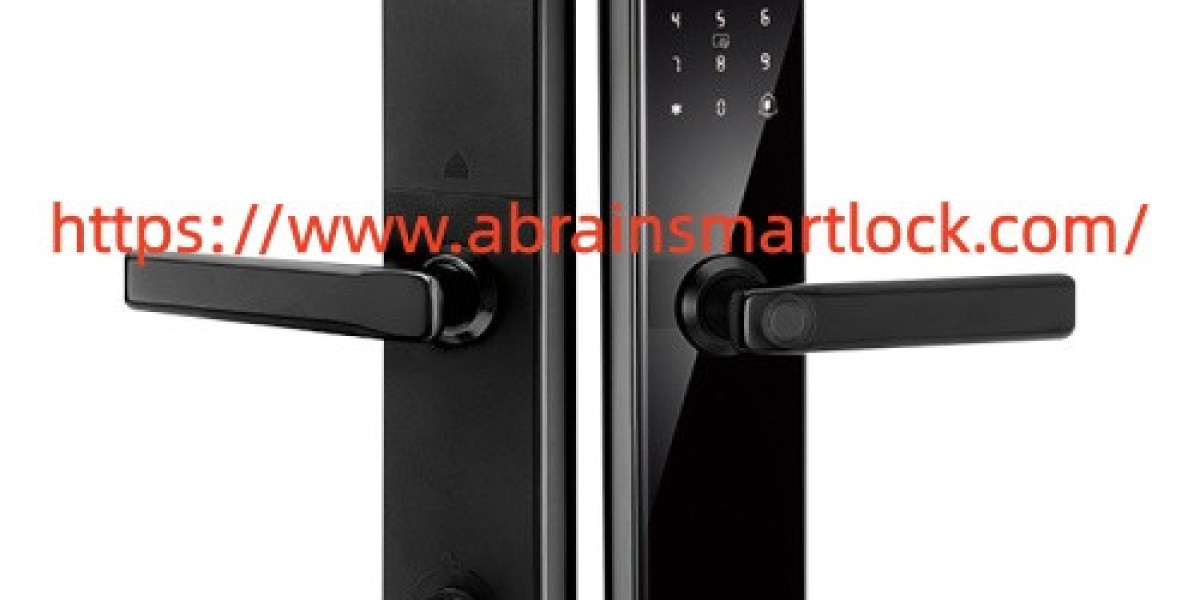

Smart Lock Without Deadbolt options offer an alternative for buyers who want convenient electronic access without relying on a traditional deadbolt design. Before choosing a model, buyers should understand their door structure, daily access requirements, installation conditions, and expected security functions. A suitable lock should work with the existing door configuration while providing a practical balance between convenience, reliability, and ease of use. Reviewing these factors before purchasing can help property owners avoid compatibility problems and select hardware that meets their specific needs.
Door compatibility should be the first consideration. Doors vary in thickness, material, handle configuration, and existing lock structure. A lock designed for one door type may not fit another without additional preparation or hardware. Buyers should measure the door carefully and compare these measurements with the manufacturer's installation specifications. It is also important to check the available mounting space and ensure that the lock will not interfere with handles, frames, or nearby fittings. If the door has an unusual locking mechanism, confirm compatibility with the supplier before placing an order.
Access methods are another important factor. Depending on the model, an electronic lock may support PIN codes, RFID cards, fingerprints, mobile applications, or mechanical keys. Buyers should consider who will use the door and how frequently access permissions may need to change. A residential property may benefit from simple daily entry and flexible user management, while a rental property may require temporary access for guests or service personnel. Choosing functions based on actual usage can make the lock easier to manage without paying for features that are rarely needed.
Security features deserve careful attention as well. Buyers should review how the lock verifies users, manages access credentials, and responds to repeated incorrect entry attempts. Some models provide automatic locking, access records, or alerts, while others focus on straightforward electronic entry. These functions vary by product, so specifications should be checked individually rather than assumed from general product descriptions. Users should also understand how to remove lost credentials, update access permissions, and maintain account security when the lock is connected to an application.
Power supply and emergency access should not be overlooked. Electronic locks commonly rely on batteries or another specified power source, making battery life and replacement procedures important purchasing considerations. Buyers should find out whether the lock provides a low-battery warning and what options are available if power becomes insufficient. Depending on the design, emergency access may involve a mechanical key, an external power connection, or another manufacturer-approved method. Understanding these procedures before installation can reduce inconvenience when unexpected situations occur.
Installation requirements also affect the overall value of a locking system. Some products are designed for straightforward installation, while others require professional assistance or modifications to the door. Buyers should check whether the package includes mounting accessories, installation instructions, and the necessary components. For commercial projects, installation planning may also involve multiple doors, different user groups, and ongoing maintenance responsibilities. Businesses comparing electronic access products or consulting Hotel Card Key System Suppliers should clearly define their access management requirements and confirm whether the selected hardware supports the intended application.
Durability and maintenance are equally relevant when selecting a lock. The expected usage frequency, surrounding environment, and door traffic can influence which materials and functions are appropriate. A lock installed at a frequently used entrance may require different considerations from one used on an internal office door. Buyers should review the product's construction, cleaning recommendations, operating conditions, and warranty terms. Clear information about replacement parts and technical support can also help property owners plan for long-term use.
Connectivity is worth evaluating when remote management or smart home integration is required. Some electronic locks operate independently, while others may depend on Bluetooth, Wi-Fi, a compatible gateway, or a dedicated application for particular functions. Buyers should distinguish between features available directly on the lock and those requiring additional equipment. They should also consider who will manage the system, how access information will be protected, and whether the product's operating requirements suit the property's existing setup.
Finally, compare the complete product specifications rather than making a decision based on appearance alone. Consider compatibility, access methods, emergency procedures, installation costs, maintenance needs, and available support together. A clear list of requirements makes it easier to evaluate different models and communicate expectations to a supplier. Buyers should request detailed specifications and confirm any uncertain installation or functional requirements before ordering.
For buyers exploring electronic access solutions for residential or commercial projects, Abrain provides a starting point for reviewing available smart lock products and their functions. Visit https://www.abrainsmartlock.com/product/ to explore the product range, compare relevant features, and identify a locking solution that matches your door configuration and access requirements.







