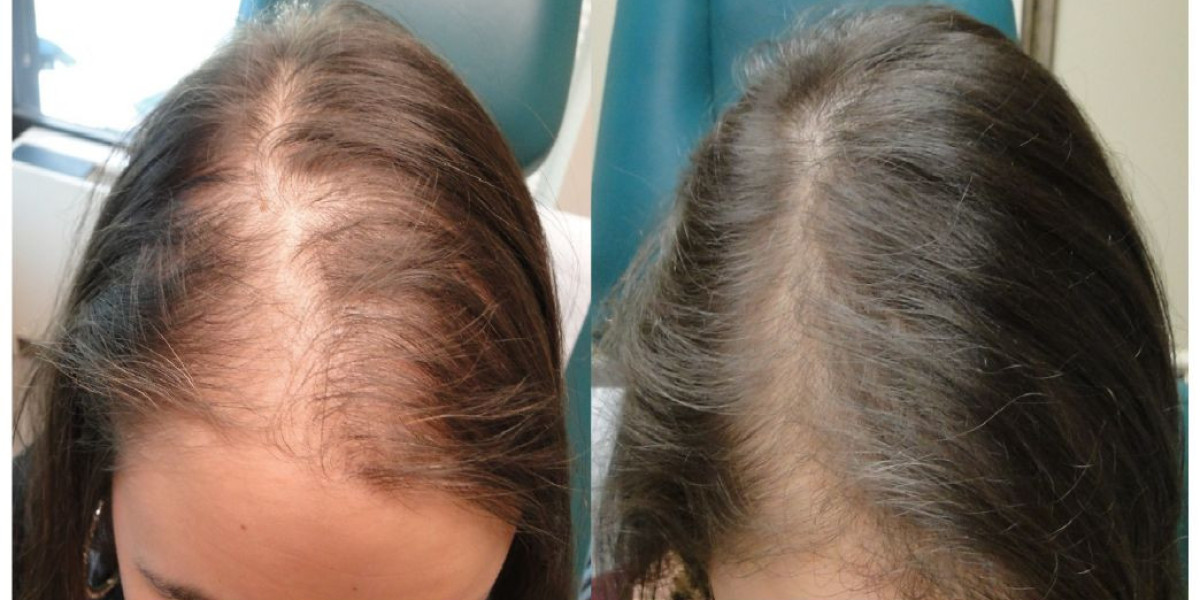

Noticing more scalp around the crown can be an unsettling experience, particularly when your hair once looked thick and full. For many women, the change begins slowly, with reduced volume during styling or a central part that gradually becomes wider. Although crown thinning is common, its cause can vary significantly from one person to another.
Women looking for Female Hair Loss Treatment in Islamabad should understand that crown thinning may be associated with hereditary factors, hormonal changes, nutritional deficiencies, temporary shedding, or scalp conditions. Identifying the reason for the change can help determine which treatment options are appropriate. Enfield Royal Clinic in Islamabad is one option to explore when researching professional hair restoration services and discussing individual concerns.
What Causes Hair Loss Around the Crown?
The crown is the upper area of the scalp, where thinning can become noticeable as hair density decreases. One possible cause is female-pattern hair loss, which often develops gradually and may cause a widening central part or reduced coverage around the top of the head.
Genetic factors influence how susceptible hair follicles are to changes that can gradually produce finer strands. Over time, the affected area may look less dense, even when some hair continues to grow.
Temporary shedding can also make the crown appear thinner. This may follow childbirth, a significant illness, surgery, emotional stress, or rapid weight loss. In these situations, shedding often begins several months after the triggering event.
Other possible contributors include low iron levels, thyroid disorders, certain medications, and inflammatory scalp conditions. Because several causes can produce similar visible changes, an assessment is more useful than selecting treatment based on appearance alone.
How Can You Recognize Early Crown Thinning?
Early changes are sometimes easier to identify through gradual differences in hair density than through the number of hairs shed each day.
Watch for these signs:
A central part that appears wider than it used to.
Less volume when styling the top of the head.
More visible scalp under bright overhead lighting.
Hair strands that seem finer around the crown.
A ponytail that gradually becomes smaller.
Persistent shedding accompanied by a noticeable reduction in density.
These signs do not automatically mean that hair loss is permanent. Temporary shedding and certain treatable conditions can produce similar changes.
If thinning continues, becomes more pronounced, or occurs with scalp pain, redness, scaling, or distinct bald patches, seek professional medical advice.
Which Treatments May Improve Hair Density?
The most appropriate approach depends on the underlying cause, the extent of thinning, and the person's medical history. Female Hair Loss Treatment in Islamabad may involve medical management, correction of a confirmed deficiency, or selected hair restoration procedures.
Medical Treatment for Female-Pattern Hair Loss
Topical minoxidil is commonly used for female-pattern hair loss. In suitable patients, it may slow further thinning and support hair growth when used consistently.
Results generally take several months to evaluate. Continued use is usually needed to maintain the benefits, and not everyone responds equally. Scalp irritation and unwanted hair growth in nearby areas are possible side effects.
Women who are pregnant, planning pregnancy, or breastfeeding should discuss the suitability of minoxidil with a healthcare professional before using it.
Managing Nutritional Deficiencies
Hair follicles need adequate nutrients to function normally. Iron deficiency and inadequate protein intake can contribute to hair shedding, while other nutritional problems may also play a role in selected cases.
A healthcare professional may recommend tests when the symptoms or medical history suggest a deficiency. If a problem is identified, correcting it may form part of the treatment plan.
Avoid taking high-dose supplements without appropriate advice. More is not always better, and excessive amounts of certain nutrients can cause harm.
Platelet-Rich Plasma Therapy
Platelet-rich plasma, commonly known as PRP, is prepared from a sample of the patient's own blood. After processing, the concentrated preparation is injected into selected scalp areas.
PRP is sometimes considered for certain forms of hair thinning. Some research suggests potential improvements in hair density, but the evidence remains variable and outcomes differ between patients.
Before considering PRP, women should ask whether it suits their diagnosis, what benefits are realistic, how many sessions may be proposed, and what risks or follow-up requirements are involved.
Hair Transplantation for Selected Patients
Hair transplantation may be appropriate for some women with stable hair loss and a suitable donor area. However, it is not the right option for every case of crown thinning.
Women with widespread hair loss may have limited donor hair, and ongoing thinning can affect the appearance of transplanted and existing hair over time. A specialist assessment is necessary to determine whether surgery is appropriate or whether nonsurgical management should be considered first.
Can Everyday Habits Help Protect Your Hair?
Gentle hair care can reduce breakage and prevent additional stress on the hair shaft. Although lifestyle changes cannot reverse every cause of thinning, they can support a healthier routine.
Choose a shampoo and conditioner suitable for your scalp.
Avoid hairstyles that repeatedly pull on the roots.
Reduce excessive heat styling and harsh chemical treatments.
Brush carefully, especially when hair is wet.
Eat balanced meals with sufficient protein and varied nutrients.
Avoid crash diets and rapid weight-loss plans.
Follow professional guidance when using hair growth treatments.
Taking photographs every few months under similar lighting can help you monitor changes in the crown. This provides a more reliable comparison than repeatedly examining the scalp throughout the day.
What Happens During a Hair Restoration Consultation?
A professional consultation typically begins with questions about when thinning started, how quickly it has progressed, and whether recent changes in health, diet, medication, or hormones may be relevant.
The scalp may be examined to assess the distribution of thinning and look for signs of inflammation, broken hairs, or other conditions. Selected blood tests or additional medical evaluation may be recommended depending on the findings.
At Enfield Royal Clinic in Islamabad, women researching hair restoration can ask about available services, treatment suitability, expected outcomes, and aftercare. A personalized plan should explain its limitations and avoid promising identical results for every patient.
When Should You Seek Professional Advice?
Persistent crown thinning deserves attention, especially when the part line continues to widen or overall hair density declines. Sudden bald patches, scalp pain, redness, scaling, or suspected scarring should be evaluated promptly because some conditions can cause permanent damage if treatment is delayed.
It is also important to investigate hair loss accompanied by unexplained fatigue, significant weight changes, or menstrual irregularities.
Can Crown Thinning Be Managed Successfully?
Some forms of hair thinning respond to appropriate treatment, while others require long-term management. The outcome depends on the cause, the duration of the problem, and individual response. In some cases, the goal is to preserve existing hair and reduce further progression rather than restore the original density completely.
For women exploring Female Hair Loss Treatment in Islamabad, a proper assessment is the most useful starting point. Enfield Royal Clinic in Islamabad can be included in your research when comparing hair restoration services and discussing suitable options.