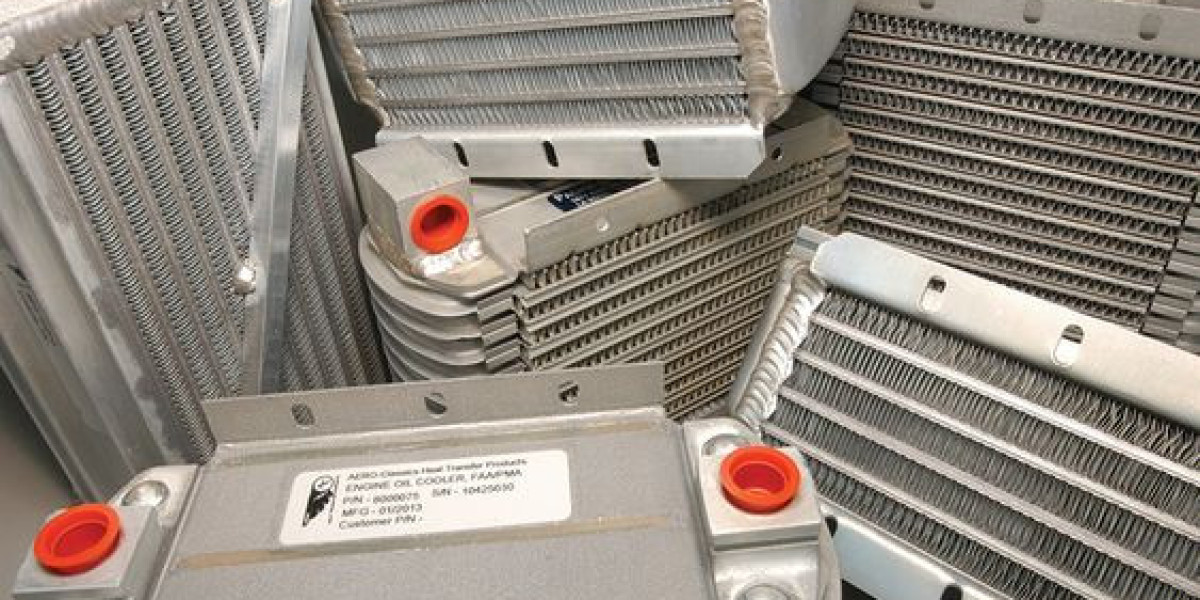
Developing a metal component for a specific application involves more than choosing a material and creating a shape. Custom Cast Aluminum allows designers to explore integrated forms, functional details, and structures suited to particular assemblies. Its success depends on how material properties, mold design, casting methods, finishing requirements, and practical use are considered together throughout product development.
Aluminum is valued in manufacturing for its relatively low weight, natural corrosion resistance, and ability to conduct heat. These characteristics make it relevant to equipment housings, covers, support components, and other products where material behavior influences the overall design. Different aluminum alloys offer different combinations of castability, strength, and surface characteristics, so selection should reflect the component’s intended role rather than a general preference for one material.
The surrounding environment also matters. A component used indoors may face different conditions from one exposed to moisture, cleaning agents, or changing outdoor conditions. Parts that contact other materials may require particular attention to wear, friction, or surface protection. Discussing these circumstances before production helps manufacturers evaluate suitable material and finishing options.
Mold design is closely connected to the shape and usability of the finished part. Cast components can incorporate mounting areas, curved surfaces, openings, ribs, and other features that support assembly or structural function. However, every feature needs to be considered in relation to how molten metal enters the mold, cools, and solidifies. A design review can identify difficult areas before tooling begins and help preserve the intended function while improving manufacturability.
For buyers, the selection process should start with the component’s role in the complete product. Consider how it connects to neighboring parts, where fasteners will be positioned, which surfaces must remain accessible, and whether additional machining will be required after casting. Drawings, digital models, and physical samples can help communicate these requirements. Clear documentation also gives suppliers a better basis for evaluating tooling and production needs.
Manufacturing methods should be selected according to the component’s geometry and intended application. Casting creates the main shape, while secondary machining can refine openings, connection surfaces, and other features that require further processing. Trimming, deburring, polishing, and surface treatment may also be necessary. Planning these stages together can help prevent conflicts between the original design and the processes needed to finish the part.
Cooling and solidification influence the internal and external quality of a casting. If metal flow or cooling is poorly controlled, defects may affect the component’s appearance or suitability for use. Mold preparation, process monitoring, and appropriate inspection help manufacturers identify potential problems. Where a component performs an important structural or functional role, inspection methods should be selected according to its actual application and documented requirements.
Quality assessment should extend beyond visual inspection. Buyers may need to review material consistency, surface condition, connection features, dimensional relationships, and the suitability of the finished component for assembly. Functional checks can reveal problems that are difficult to identify from photographs alone. Agreeing on acceptance criteria before production helps both parties understand what will be evaluated when samples and finished parts are reviewed.
The finished component should also be convenient to handle, install, and maintain. Smooth edges can improve handling, while accessible mounting features can simplify assembly. Thoughtful placement of openings and connection points may reduce interference with nearby parts. If the component needs regular inspection or replacement, designers should consider how technicians will reach the relevant areas without unnecessary disassembly.
Surface finishing contributes to both protection and presentation. Polishing can create a refined appearance, while brushing or other textural treatments can provide a more understated finish. Coatings and additional surface treatments may be appropriate when the operating environment calls for extra protection or a particular visual effect. The selected treatment should remain compatible with the aluminum alloy and any later assembly or cleaning process.
Appearance can be integrated into the component itself rather than added as an afterthought. Curved contours, carefully arranged openings, consistent edges, and balanced proportions can make a cast part fit naturally within a finished product. For visible components, surface uniformity and color consistency may be especially important. For concealed parts, clean construction and accessible connection areas still support a more organized assembly.
Yongkang Ruizan Industry and Trade Co., Ltd. provides metal manufacturing, mold design, and customized product development services. Its website describes support for customer drawings or samples, along with mold planning and production coordination. For businesses developing cast metal components, early communication about alloy preferences, mold features, finishing expectations, inspection needs, and assembly conditions can help clarify project requirements. Further information about the company’s manufacturing services is available at https://www.hardwareodm.com/product/.