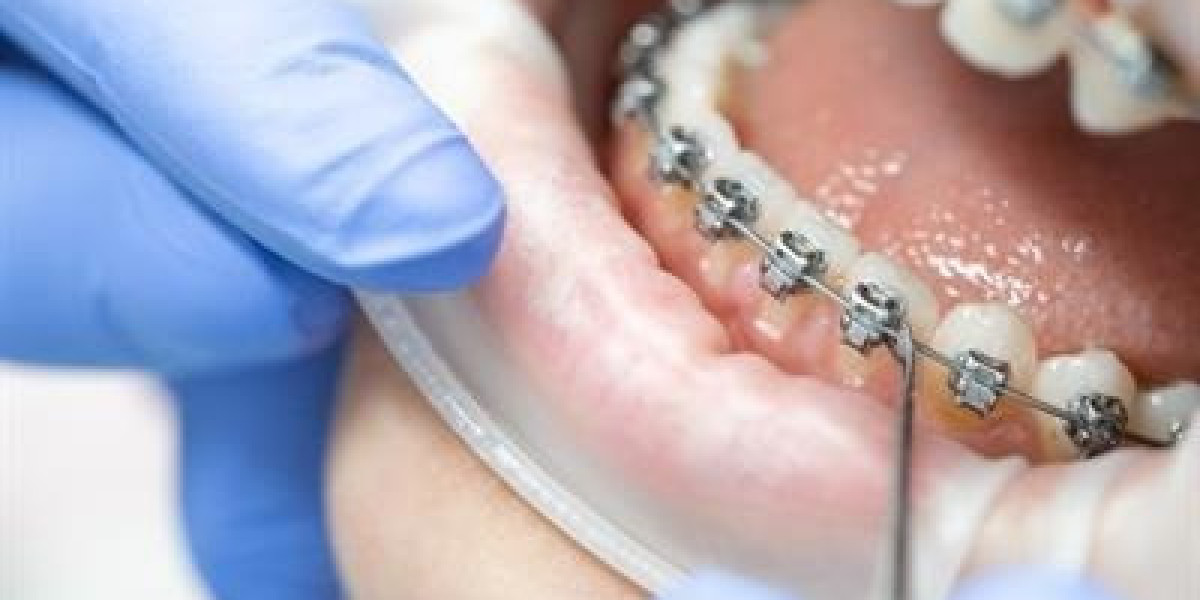

An uneven bite can affect the way the upper and lower teeth come together when the mouth closes. Some people notice that their teeth do not meet evenly, while others may experience difficulty chewing or feel that their smile looks unbalanced. Orthodontic treatment can help improve many types of bite irregularities by gradually repositioning teeth.
For patients searching for Dental Braces in Islamabad, understanding how braces may improve an uneven bite can help them make a more informed decision. At Enfield Royal Clinic in Islamabad, an individual examination can help identify the type of bite concern and determine whether orthodontic treatment may be suitable.
What Is an Uneven Bite?
An uneven bite occurs when the upper and lower teeth do not come together in a balanced relationship. Ideally, the teeth should work together during biting and chewing, but alignment problems can cause certain teeth to contact earlier or more heavily than others.
An uneven bite can appear in different forms. Some patients may have an overbite, underbite, crossbite, open bite, or a combination of alignment concerns.
The severity can range from mild to more noticeable, which is why professional assessment is important.
What Can Cause an Uneven Bite?
Several factors may contribute to bite irregularities. Tooth position, jaw development, dental crowding, and certain childhood habits can all influence how the upper and lower teeth relate to each other.
Possible contributing factors include:
- Crowded teeth
- Missing or unusually positioned teeth
- Differences in upper and lower jaw development
- Protruding teeth
- Crossbite
- Deep bite
- Open bite
- Uneven tooth eruption
Identifying the cause helps the dental professional decide which treatment approach may be appropriate.
How Do Braces Improve Bite Alignment?
Braces apply controlled forces to individual teeth, allowing them to move gradually. By repositioning selected teeth, orthodontic treatment may improve the way the upper and lower dental arches meet.
Treatment may involve changing the angle of certain teeth, correcting crowding, closing or improving spaces, and coordinating the upper and lower arches.
The objective is not simply to create straight-looking teeth. A complete orthodontic plan considers both appearance and bite function.
For people considering Dental Braces in Islamabad, this comprehensive approach can be particularly important when bite irregularities are involved.
Can Braces Fix Every Bite Problem?
Not every bite problem can be addressed in exactly the same way with braces alone.
Some bite irregularities are primarily caused by tooth positioning and may respond well to orthodontic treatment. Others can involve differences in jaw structure and may require additional evaluation or treatment options.
This is why patients should not assume that braces will provide the same solution for every type of uneven bite.
A detailed examination allows the dental professional to determine the nature of the problem before treatment begins.
What Happens During an Orthodontic Assessment?
An orthodontic consultation generally involves an examination of the teeth, gums, bite, and jaw relationship.
The dental professional may look at:
- How the front teeth meet
- How the back teeth contact
- Tooth alignment
- Crowding and spacing
- Jaw relationship
- Gum condition
- Overall oral health
Depending on the case, X-rays, photographs, or digital scans may also be recommended.
At Enfield Royal Clinic in Islamabad, patients can discuss specific concerns about an uneven bite and learn which orthodontic options may be appropriate for their dental condition.
Can Adults Improve an Uneven Bite?
Adults can receive orthodontic treatment when their teeth and supporting tissues are suitable for movement.
Before treatment, adult patients may need an evaluation of gum health and existing dental work. Previous orthodontic treatment, crowns, fillings, or missing teeth may also influence treatment planning.
For adults considering Dental Braces in Islamabad, age alone does not determine suitability. The condition of the teeth, gums, and supporting structures is more important.
What Is Treatment Like?
Braces remain on the teeth throughout active orthodontic treatment. Regular appointments allow the dental professional to monitor movement and make necessary adjustments.
Patients may experience mild pressure or temporary sensitivity after some adjustments. This can vary from person to person.
Treatment takes time because teeth move gradually. The overall duration depends on the complexity of the bite, the amount of movement needed, and the individual's response to treatment.
Why Is Oral Hygiene Important?
Good oral hygiene is essential while wearing braces. Brackets and wires create additional surfaces where food particles and plaque can collect.
Patients should carefully brush around the brackets and gumline. Cleaning between teeth is also important.
Hard and sticky foods can potentially damage orthodontic appliances, so patients are generally advised to follow the dietary guidance provided by their dental professional.
Maintaining good oral hygiene throughout Dental Braces in Islamabad treatment can help support healthy teeth and gums.
Will the Bite Stay Corrected After Braces?
After active orthodontic treatment, teeth can naturally shift. Retainers are therefore commonly used to help maintain the positions achieved through treatment.
The type of retainer and recommended wearing schedule vary according to the individual case.
Following retention instructions is an important part of protecting the alignment achieved after braces.
What Should You Look for in a Clinic?
When choosing orthodontic treatment, patients should look for careful assessment, individualized planning, regular monitoring, and clear communication.
A clinic should evaluate the entire bite rather than concentrating only on the teeth that appear uneven.
For patients considering Enfield Royal Clinic in Islamabad, an initial consultation can help them understand their bite concerns and discuss possible orthodontic treatment options.
Conclusion
An uneven bite can result from tooth alignment problems, crowding, jaw development, or other dental factors. Braces may help improve many bite irregularities by gradually repositioning teeth and coordinating the upper and lower dental arches.






